

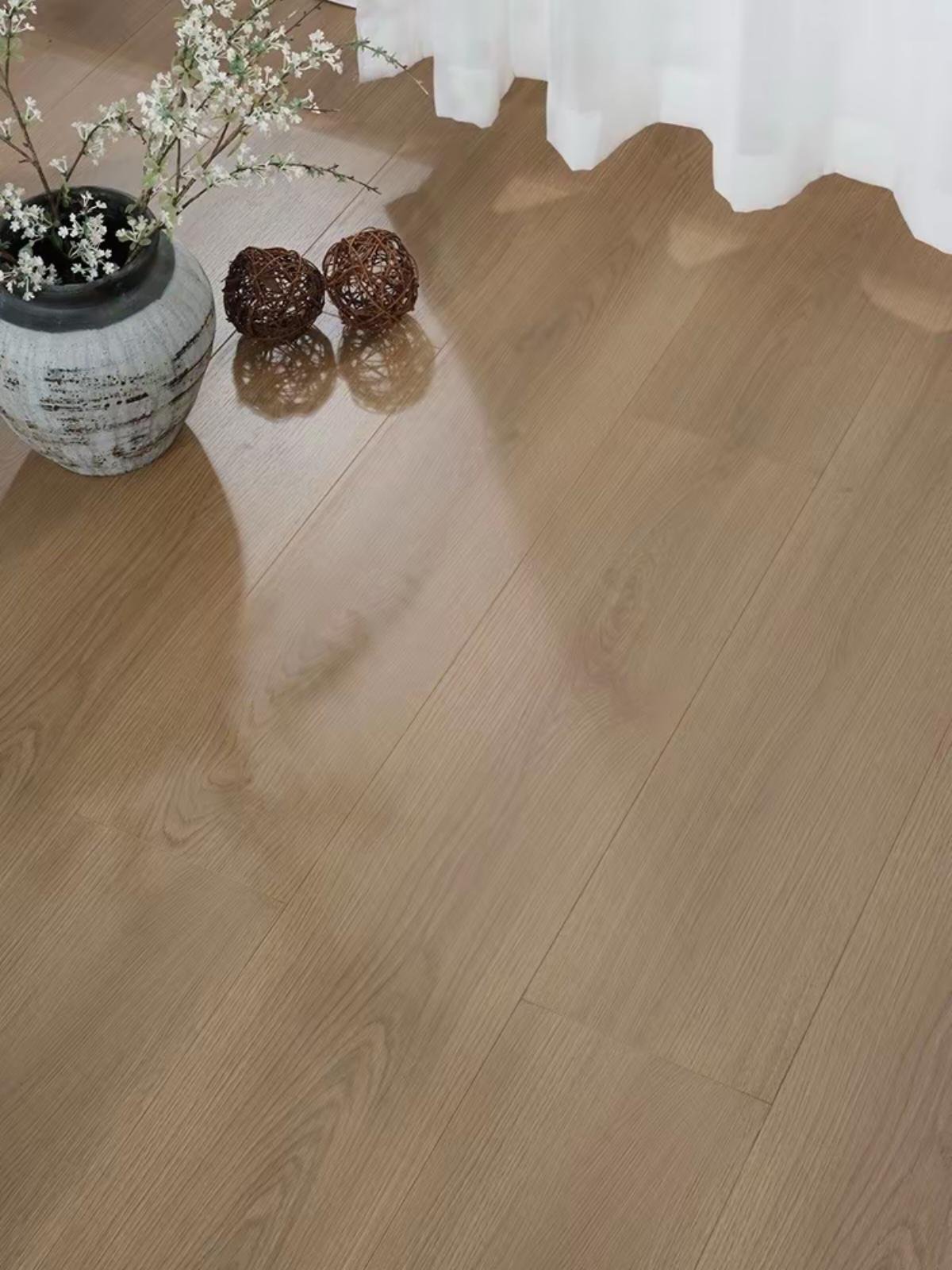
The wood grain buyers observe on laminate flooring does not originate directly from the HDF core. Instead, it comes from a printed decorative paper placed close to the surface of the plank. Before this paper can transform into a durable laminate floor, it must undergo preparation for the pressing process. Factors like resin impregnation, drying, printing consistency, and subsequent hot pressing can all impact the final appearance. For distributors and private-label buyers, decorative paper holds importance not just for selecting a visually appealing oak or walnut design. It is also crucial for maintaining consistent color and pattern across large bulk orders.
What Role Does Decorative Paper Play in Laminate Flooring?
Laminate flooring is typically constructed from a wear-resistant layer, a decorative layer, an HDF or MDF core, and a balance layer. The decorative paper displays the visible wood, stone, or other printed design. This design ultimately gives the flooring its distinct appearance.
Why Is Decorative Paper More Than a Printed Picture?
The paper must become an integral part of a pressed flooring structure. Consequently, it has to function effectively with the resin system, the surface layer, the core, and the specific manufacturing conditions.
Lanhe’s laminate flooring information defines the decorative layer as special printed paper infused with melamine resin. The accessible patterns feature oak, ash, birch, maple, walnut, beech, cherry, alongside various other customizable designs.
This indicates that both the printed pattern and the paper’s behavior during processing can significantly alter the finished plank.
How Is Laminate Flooring Decorative Paper Prepared?
The specific equipment and operating parameters can differ across production lines. However, the primary stages generally focus on printing, resin impregnation, controlled drying, and preparation for lamination.
These essential stages aim to yield a decorative sheet capable of withstanding hot pressing. At the same time, it must maintain the necessary color and pattern.
Why Is the Paper Impregnated With Melamine Resin?
Printed décor paper by itself would fail to deliver the surface performance needed for laminate flooring. Impregnation enables the paper to integrate into the resin-bonded structure during the pressing phase. Afterward, the resin-treated decorative layer can seamlessly merge with the wear-resistant surface and the fiberboard core.
The main objective is to achieve consistent impregnation. If the material condition fluctuates significantly, the sheet might react differently during the subsequent pressing stage.
Why Does Controlled Drying Matter?
Following impregnation, the paper requires controlled drying before advancing to later production stages. The goal is not merely to make the sheet feel dry to the touch. Rather, it must attain a stable condition appropriate for storage, handling, and hot pressing.
If one batch performs differently compared to another, the finished flooring might display variations in appearance or processing behavior. For buyers, this serves as a key reason why a flooring sample should not be evaluated solely based on the original printed décor file. The final color should only be approved after the entire flooring structure has undergone pressing.
What Happens During Hot Pressing?
The decorative paper is combined with the wear-resistant layer, the HDF or MDF core, and the backing material. Heat and pressure then fuse these materials together into a completed panel.
During this stage, the decorative layer is observed through the surface system rather than as a standalone sheet of printed paper. As a result, the final appearance can differ somewhat from the unpressed décor sample. This highlights why professional sample approval should always concentrate on the finished laminate plank.
Why Can the Same Laminate Décor Show Different Colors Between Batches?
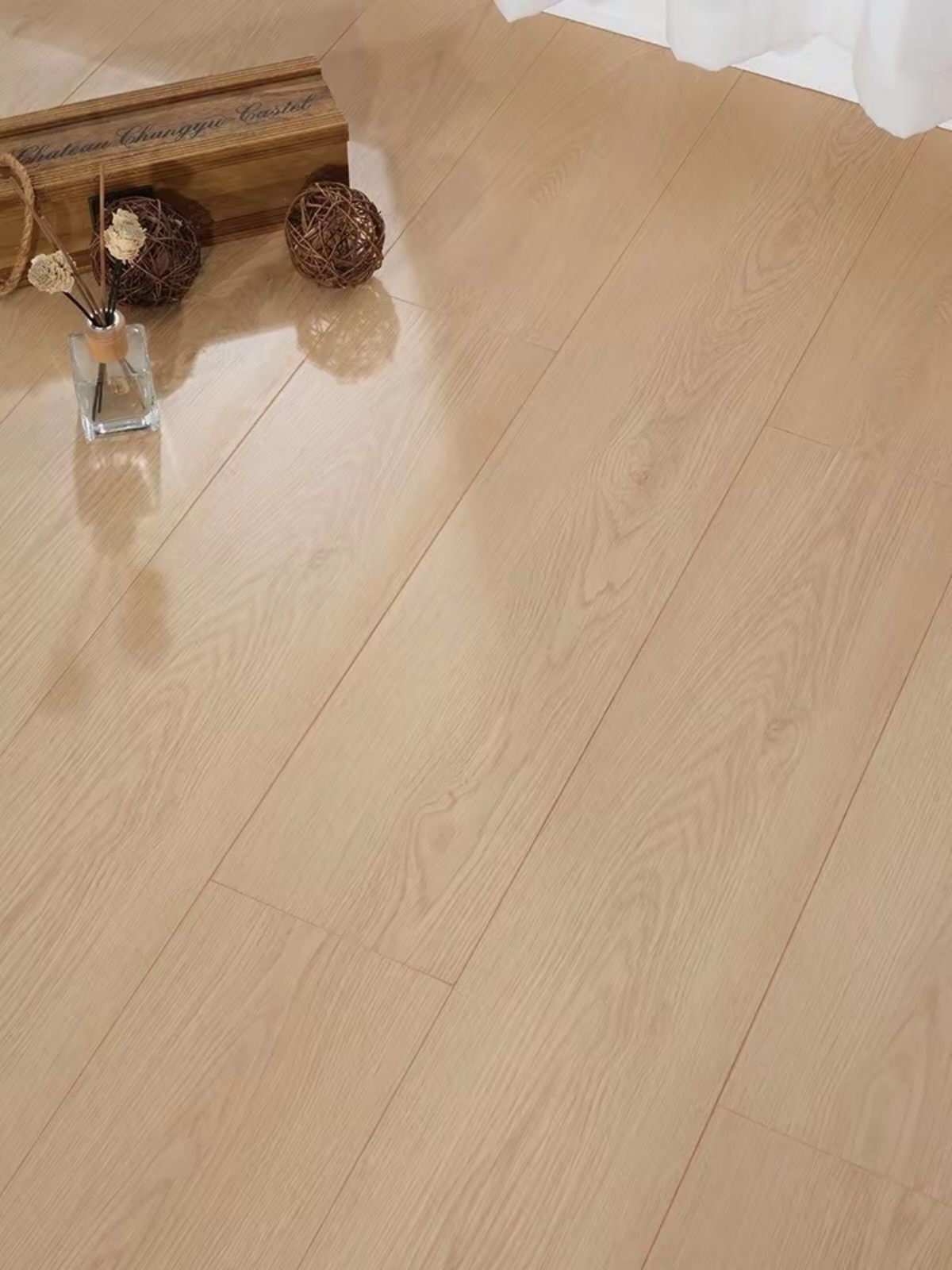
Color variation remains a common concern that private-label buyers might face when reordering an identical décor. The primary reason is that the final appearance relies on multiple production variables, rather than depending solely on the printed image.
Which Factors Can Change the Final Shade?
Printing consistency stands out as the initial consideration. Wood-grain patterns require steady color reproduction from one batch of decorative paper to the next.
Furthermore, resin treatment and pressing conditions can affect how the finished surface looks. The wear-resistant layer, texture, gloss, and ambient lighting can additionally alter how buyers perceive the exact same design.
A matte surface and a high-gloss surface utilizing a similar décor might not appear identical once they are installed. Because of this, color approval should consistently refer back to a fully finished plank.
How Can Factories Improve Batch-to-Batch Color Consistency?
Repeatability starts by maintaining clear references for the approved product. Both the buyer and the supplier must know precisely which décor, surface treatment, core specification, and pressing result characterize the accepted product.
Why Is a Golden Sample Useful?
A physical golden sample provides both parties with a measurable standard for comparison. Instead of vaguely describing the target as “medium oak” or “slightly warmer brown,” the factory can compare subsequent production directly against the approved board.
This reference can encompass décor color, gloss level, surface texture, groove appearance, and the overall visual effect. For repeat orders, keeping the original décor code and the approved sample minimizes the risk of mistakenly substituting the design with a visually similar yet distinct paper.
What Should B2B Buyers Inspect Before Approving Decorative Paper?
Most buyers do not need to personally examine raw décor paper rolls. What holds more importance is whether the finished flooring reliably reflects the approved design.
Therefore, several planks should be evaluated side by side under consistent lighting. Buyers need to watch for noticeable shade differences, printing defects, recurring marks, uneven gloss, texture mismatches, and variations among different cartons.
For extensive projects, inspecting boards sourced from various parts of the production batch proves more beneficial than merely reviewing a single flawless display sample. Moreover, the décor specification should stay connected to other product details. These include plank thickness, AC rating, HDF or MDF core, surface finish, groove type, and the specific click system.
How Should Buyers Specify Decorative Paper in a Laminate Flooring RFQ?
A generic request like “oak laminate flooring” often proves inadequate for reliable, repeatable sourcing. The RFQ must clearly specify the décor code or the approved physical reference. It should also state whether any customization is necessary.
Additionally, buyers must verify the surface finish. Treatments such as EIR, embossed, matte, high-gloss, or handscraped can significantly alter the appearance of the same printed décor.
When the product is destined for a private-label collection, both the approved décor and the final finished plank must be properly documented prior to mass production. This step becomes especially vital if the buyer plans to reorder the identical design in the future.
Why Is Lanhe Flooring a Reliable Laminate Flooring Supplier?
Shandong Lanhe Import and Export Co., Ltd. provides laminate flooring utilizing HDF or MDF cores. They offer multiple patterns, thicknesses, AC classes, groove types, locking systems, and surface treatments. Lanhe’s diverse product range features oak, birch, cherry, maple, walnut, mahogany, stone-effect, along with various customizable décor options.
This flexibility in specifications assists distributors, wholesalers, and project buyers in developing robust laminate flooring collections. Meanwhile, it ensures the décor choice remains closely tied to the overall product construction.
Conclusion
Decorative paper holds a central role in determining the appearance of laminate flooring. However, printing represents just one segment of the entire process. Resin impregnation, controlled drying, pressing, surface treatment, and effective batch management all shape what the buyer ultimately observes.
For B2B sourcing, the most dependable strategy involves approving a finished physical sample and recording the specific décor code. Buyers should then compare random boards from bulk production against that established reference. This practice aids in controlling color and pattern consistency whenever the same laminate flooring collection undergoes production again.
FAQs
1. Why Is Laminate Flooring Decorative Paper Impregnated With Melamine Resin?
The resin-treated paper is specifically designed to integrate into the pressed laminate structure. It must function cohesively with the surface layer and the core throughout the manufacturing process.
2. Can the Same Decorative Paper Look Different After Hot Pressing?
Yes. The finished appearance can be heavily influenced by the complete surface structure, the pressing conditions, the texture, and the gloss level. Therefore, buyers should always approve the finished plank instead of relying solely on the raw paper.
3. How Can Buyers Reduce Color Differences Between Repeat Laminate Flooring Orders?
Buyers should retain the approved décor code along with the physical golden sample. They must then compare boards from bulk production against that reference under steady lighting before authorizing shipment.
