

Laminate flooring 31803-5 uses a multilayer construction in which the transparent upper layer protects the decorative image below. Buyers often compare AC ratings, plank thickness, and HDF density, but the manufacture of the overlay paper is a key part of surface performance. Paper quality, resin impregnation, abrasion-particle distribution, drying, storage, and pressing must work together. If the overlay varies, the finished floor may show inconsistent wear resistance, haze, surface defects, or batch differences. B2B buyers should therefore connect the requested wear class with an approved construction and a defined test report.
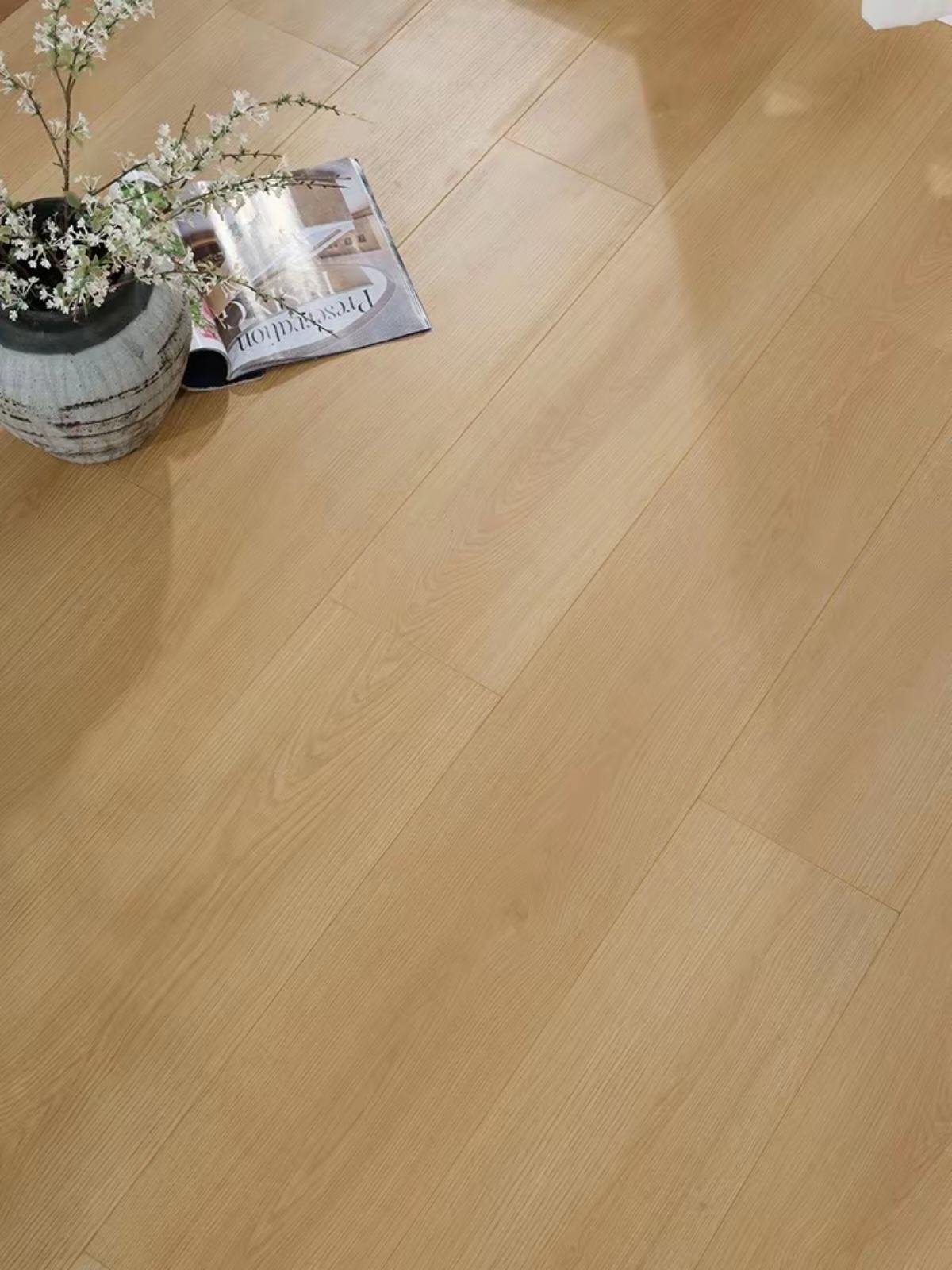
What Is Overlay Paper in Laminate Flooring?
Overlay paper is the transparent protective sheet positioned above the printed decorative paper. During hot pressing it becomes part of the finished surface, allowing the décor to remain visible while supporting resistance to everyday abrasion.
How Does It Fit Into the Four-Layer Structure?
Lanhe laminate flooring consists of a wear-resistant layer, decorative layer, HDF or MDF base material, and balance layer. The overlay forms the upper protective portion of this system. Its performance cannot be judged independently from the press process, décor paper, core, and finished surface treatment.
Is Overlay Paper the Same as a UV Coating?
No. Overlay paper is a resin-treated sheet consolidated during laminate pressing. A coating is a separately applied surface treatment. Buyers should use the correct terminology in an RFQ so suppliers quote the intended construction rather than assuming that every protective surface is identical.
How Is Overlay Paper Impregnated With Resin?
The paper carries a controlled resin system before it enters the laminate press. The objective is uniform pickup and curing behavior, not simply the highest possible resin quantity.
Why Does Resin Distribution Matter?
Uneven impregnation can create areas that cure, bond, or transmit light differently. Excess or insufficient material may affect handling and pressing. Factories therefore need stable paper, resin preparation, line settings, drying, and lot identification. Exact process values are manufacturer-specific and should not be invented in a buyer article.
How Should Impregnated Paper Be Stored?
Prepared overlay should be protected from uncontrolled humidity, dust, physical damage, and mixed lots. Storage and handling influence whether sheets remain flat and consistent before pressing. Traceable roll or batch identification also helps investigate a surface complaint after delivery.
How Do Abrasion Particles Support Wear Resistance?
Laminate overlay may incorporate hard mineral particles within the surface system. Their presence and distribution contribute to abrasion performance while the cured resin and paper maintain transparency over the printed design.
Why Is More Abrasive Material Not Always Better?
A surface must balance durability, clarity, texture, pressing behavior, and tool wear. Adding material without validating the complete construction can reduce visual quality or create processing problems. Buyers should specify the required product performance and test method rather than prescribe an unsupported particle recipe.
How Is the AC Rating Confirmed?
Laminate flooring factory quality control includes surface abrasion evaluation. The AC claim should correspond to a recognized test method and the actual product construction. A report from another décor, overlay, press setup, or thickness should not automatically be transferred to a new SKU.
How Does Hot Pressing Affect the Finished Overlay?
During pressing, the overlay, decorative paper, fiberboard core, and balance layer are consolidated into one panel. Heat, pressure, time, layer alignment, and press cleanliness influence the final surface.
What Surface Problems Can Appear During Pressing?
Contamination can create marks or impressions. Poor layer positioning may affect edges, while unstable settings can contribute to uneven curing, gloss, or bonding. A worn or dirty press plate may repeat the same defect across many panels, so repeated marks should be traced back to equipment as well as raw material.
Why Must Transparency and Décor Clarity Be Checked?
The protective layer should not unnecessarily obscure the approved printed design. Inspectors should compare color, grain clarity, gloss, and texture with the golden sample under consistent lighting. This is especially important when repeat orders need to match an established retail collection.
What Should Surface Quality Control Include?
Finished-board inspection should combine visual review with the agreed performance tests. Looking only at a laboratory number can miss scratches, haze, contamination, or repeated press defects.
Which Checks Are Useful Before Shipment?
Laminate flooring manufacturing should be checked through retained samples and production records. Buyers can inspect surface clarity, gloss consistency, embossing, stains, scratches, bonding, and color across cartons. The abrasion report, SKU code, production lot, and approved sample should refer to the same construction.
What Should Be Written Into the RFQ?
HDF core requirements, abrasion class, overlay construction, surface finish, décor code, plank thickness, groove, click system, test standard, sampling plan, and packaging should be coordinated. If the buyer needs third-party testing, the timing and sample-selection responsibility should be agreed before production.
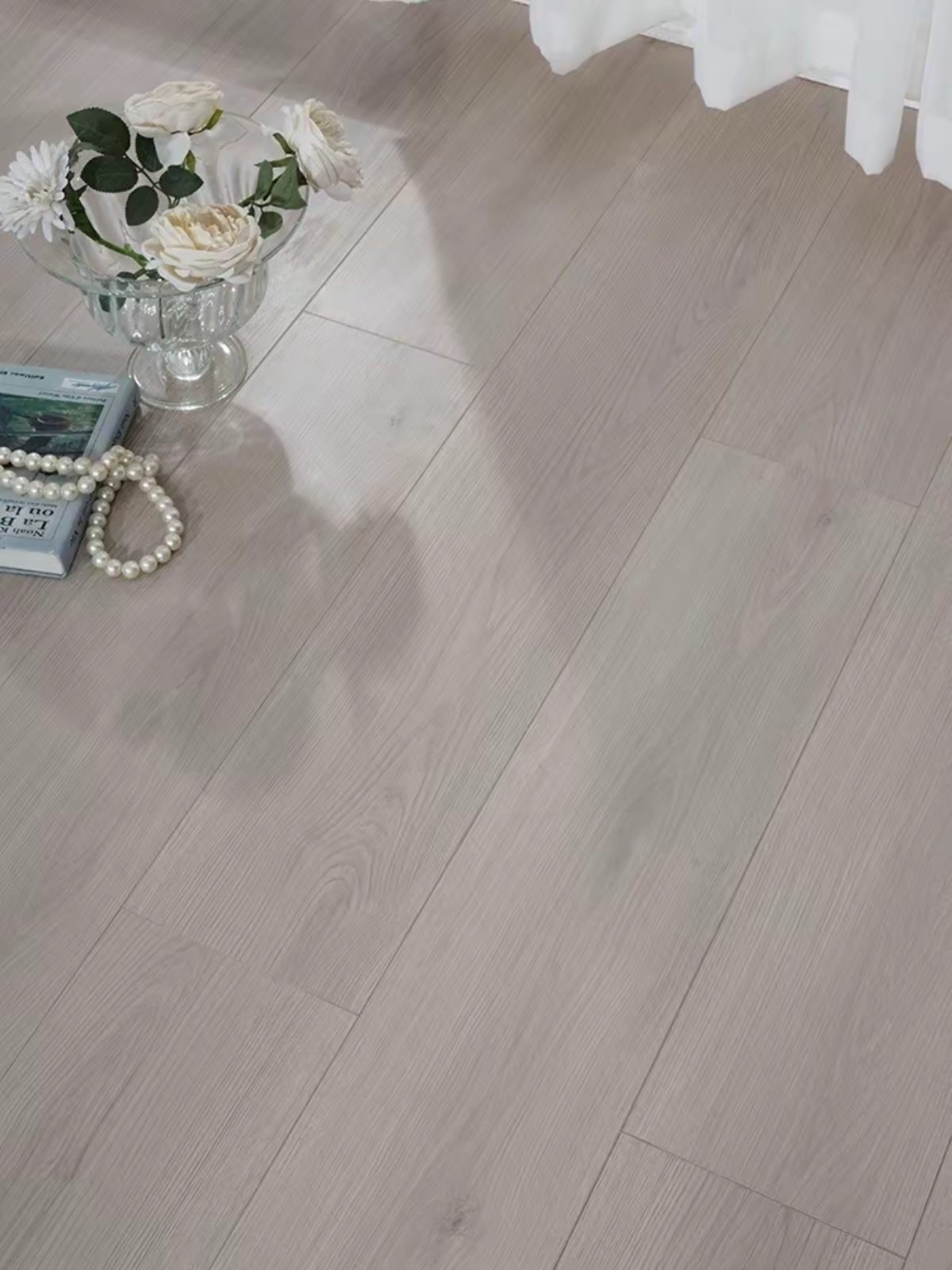
Why Choose Lanhe Flooring for Laminate Flooring Supply?
Shandong Lanhe Import and Export Co., Ltd. supplies laminate flooring with different core materials, thicknesses, abrasion classes, surface treatments, grooves, and click systems. Buyers can use the published four-layer structure as the basis for sample approval and surface testing while confirming exact claims against the selected SKU.
Conclusion
Overlay paper is a functional manufacturing component, not merely an invisible cover above the décor. Consistent paper, resin impregnation, abrasion-particle distribution, storage, pressing, and surface inspection all influence the finished laminate floor. Buyers should connect the requested AC rating to the actual product and test method, inspect visual quality across cartons, and retain an approved sample. This approach gives both buyer and factory a clearer standard for bulk production and repeat orders.
FAQs
The following questions clarify common sourcing issues related to laminate flooring overlay paper and wear performance.
1. Is a higher AC rating always the best choice?
No. The required rating should match the intended market and use. A higher specification can affect cost and should be supported by testing for the actual product.
2. Can buyers judge overlay quality by appearance alone?
No. Visual checks identify haze, marks, gloss variation, and décor clarity, but abrasion performance requires the agreed test method and representative product samples.
3. Does the same overlay guarantee identical results on every décor?
Not necessarily. Decorative paper, pressing, texture, gloss, and the complete panel construction can affect the finished appearance and performance. New combinations should be approved as complete products.
