

Laminate Flooring Pattern Repeat – What Should Buyers Confirm Before Approving a Decor
Take a laminate board with a prominent knot. On its own, you might like it enough to approve the design. Put an identical knot a few boards away and the question changes: how often will it appear across the room? That’s the purchasing issue behind laminate flooring pattern repeat. With Laminate flooring 31803-5 or another proposed model, there’s a useful next step before approval: obtain samples in the quoted size and find out how they were selected. Color approval alone leaves the assortment unanswered.
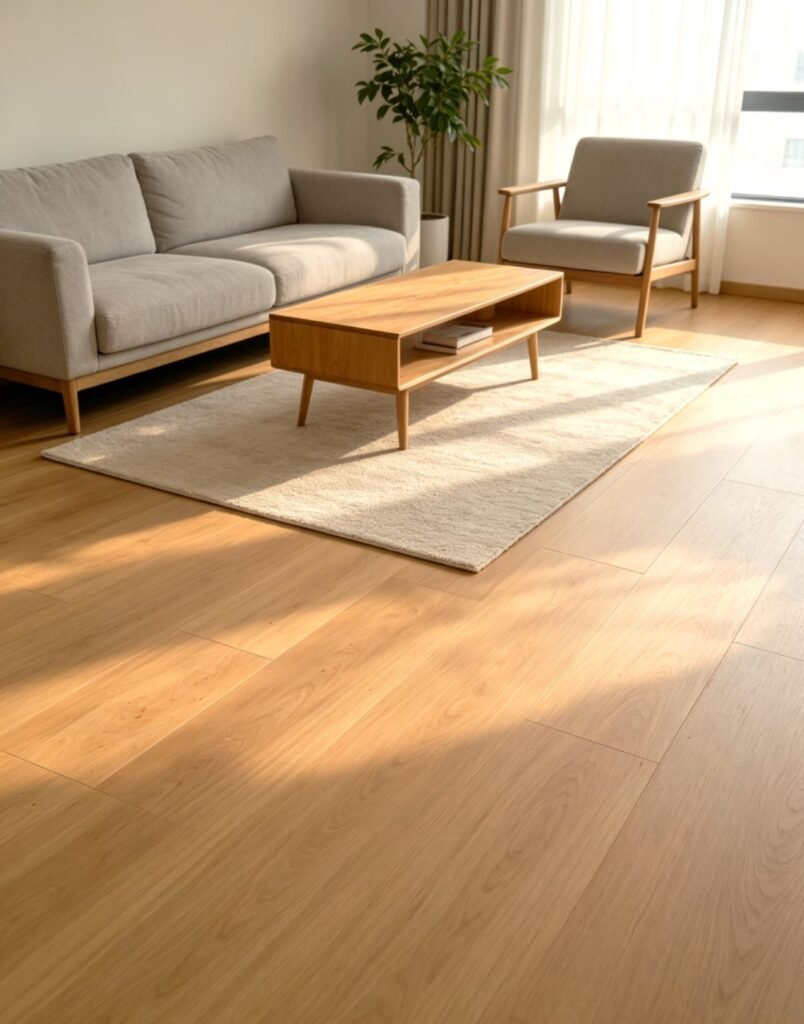
What does pattern repeat mean in laminate flooring
The wood or stone image is printed on the decorative layer, with recurring artwork rather than a unique natural surface on each board. Identical knots can occur on boards whose colors match. Tell the supplier you are asking about the repeated image when this is the concern. A complaint about color variation asks something different.
You might be quoted a number of faces, screens or designs. Before comparing that number with another quotation, find out what was counted. A distinct finished-board image, a cut from the paper and a catalogue photograph aren’t necessarily the same unit. Write down the definition with the décor code. You’ll then have a definition to use when the samples arrive; plenty of variation isn’t much of a specification.
Why does the plank format affect the visual assessment
An artwork viewed on paper won’t show you exactly what is exposed on a cut plank. Changing the board length or width changes that visible section. Review the format being quoted. If your samples are smaller, ask what they leave out before approving the visual result for production.
Check recognizable features
Which feature do you notice without having to search for it? It might be a dark knot, or perhaps a broad vein in a stone design. Set boards containing the same feature together. Keep a photograph of the group before rearranging it. Send it with your question about duplication, so the supplier can see the feature you mean rather than interpret a general comment about repetition.
Compare complete planks
Request complete planks where possible. A cut swatch might miss the most obvious repeat. When full boards aren’t available at the development stage, ask for a labeled layout image for the proposed size. It helps the discussion, though physical production samples still need to confirm the assortment shown. Don’t mistake a selected marketing picture for a random draw from the order.
Does EIR create more unique plank images
An EIR specification concerns embossing aligned to the print. Nothing in that description establishes the available image count. When discussing EIR texture and registration, add a separate question about faces. A convincing embossed knot is still a repeat when it appears on another board.
Leave space for both points in the approval record. Liking the texture is perfectly compatible with having an unresolved question about the assortment. That distinction matters when comparing quotations. Otherwise, a discussion about the press plate may appear to settle the visual-variation requirement, although the supplier hasn’t actually confirmed it.
What should a multi-carton sample review include
A supplier may send a selection meant to show every available face. You may instead want boards drawn from several cartons. Establish which you have received before drawing conclusions about carton contents; each selection answers a different question. For a carton review, retain the labels alongside the samples.
Lay out the available variation
After categorizing the similar faces, arrange them on the boards to create the desired pattern. Back off from sufficient distance to observe the arrangement as a floor, and then step up closer. Maintain the same light condition during the observation compared to the reference comparison. If there is a particular knot that continuously catches your attention, capture the knot’s location in the panel.
Record limits of the sample
A small sample draw won’t establish the contents of every carton. Your notes can say which faces were present without claiming they prove the shipment’s count. Have the supplier state the production commitment separately, including a defined count if that is part of your purchase requirement. You need a declared specification to check, rather than an assumption formed while unpacking a few sample boards.
Keep the photographs with the décor code, plank dimensions and approval date. Retain physical samples where practical. When a repeat order is quoted, ask whether the artwork and format still match that record. A familiar color name is convenient for sales, but it may be too broad for approving material that will sit beside an earlier installation.
How should pattern repeat be written into an RFQ
The enquiry needs enough detail to reproduce the choice: décor code and board size, followed by the surface and assortment being requested. Ask for the proposed way of demonstrating it before you approve bulk manufacture. Is carton composition specified or variable? Put the answers into the laminate flooring RFQ requirements kept with the quotation. If someone else handles purchasing, they will need the sample approver’s definition of the assortment.
Use the same visual brief when sending the enquiry to another supplier. An oak name doesn’t make two offers equivalent; their artwork or board sizes may differ. Compare the actual samples and declared assortment. Then approve the product images used for the collection against the choice you made, rather than expecting production to match an unrelated photograph.
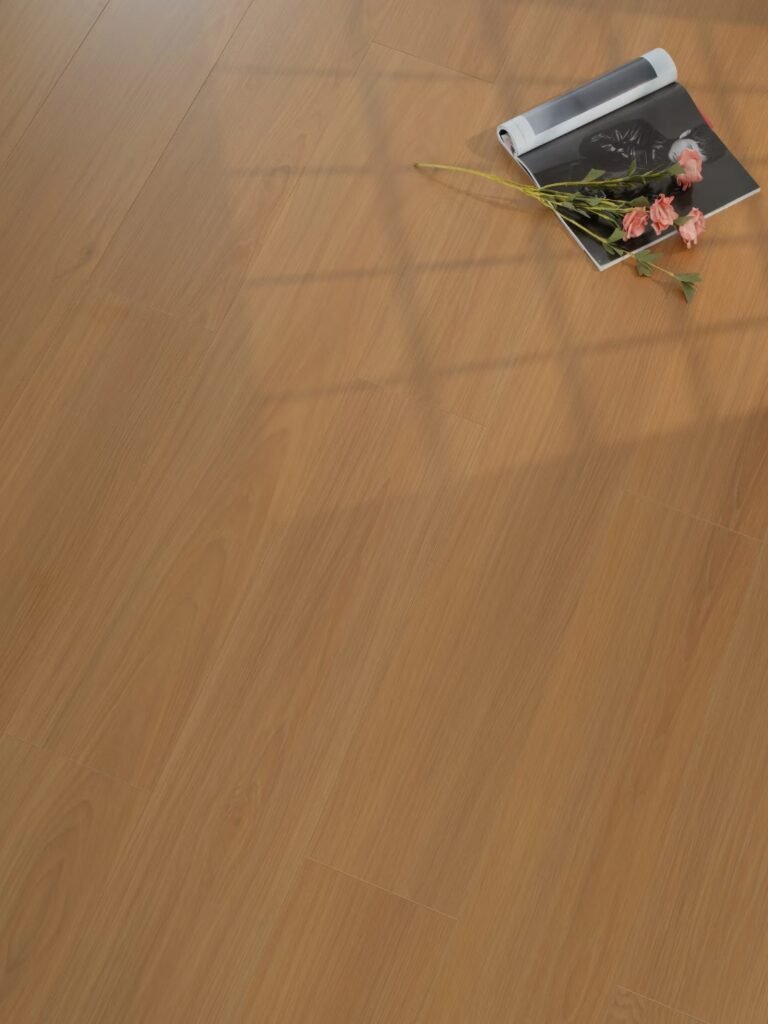
How can Lanhe support décor selection
Lanhe Flooring lists wood and stone laminate designs with customizable patterns and sizes. Surface options include EIR and other treatments. When you enquire, include the format, preferred surface and quantity so the quotation refers to the collection you’re developing. Request the available artwork information and finished samples as part of that exchange. A model’s online listing leaves face count to be confirmed for the order.
Conclusion
The approval should travel with the product format being ordered. Keep the reviewed assortment and the supplier’s definition of a face on that record, alongside the production commitment. Keep a representative layout with the approval. That gives the next order a much better reference than a color name and one small swatch.
FAQs
Is there one suitable face count for every laminate floor
There isn’t a count you can infer from a laminate product name. Get the available assortment for your chosen format and judge whether its artwork meets your appearance brief.
Can mixing cartons eliminate printed repetition
It may give the installer more choices for arranging boards. It cannot produce new printed images. Confirm the available faces before relying on carton mixing.
Does a matching décor name guarantee the same repeat on a reorder
Check the artwork and dimensions against the retained approval. Ask about any change, particularly if new material will join an existing floor.
