

Laminate flooring swelling is one of the most frequent issues searched by homeowners, installers, distributors, and project buyers. It typically shows up as raised edges, bubbling surfaces, warped planks, soft joints, or noticeable gaps. This happens after moisture exposure or incorrect installation. For C-end users, swelling seems like a complete product failure. For B-end buyers, it can turn into a major complaint. It can also cause returns or damage reputation. In truth, laminate flooring swelling might originate from both factory-side factors and installation-side mistakes. A dependable flooring supplier has to control HDF core quality, moisture content, hot-pressing stability, click-lock precision, edge quality, and export packaging. Meanwhile, buyers and installers must also follow strict rules for proper storage, acclimation, subfloor preparation, and expansion gaps.
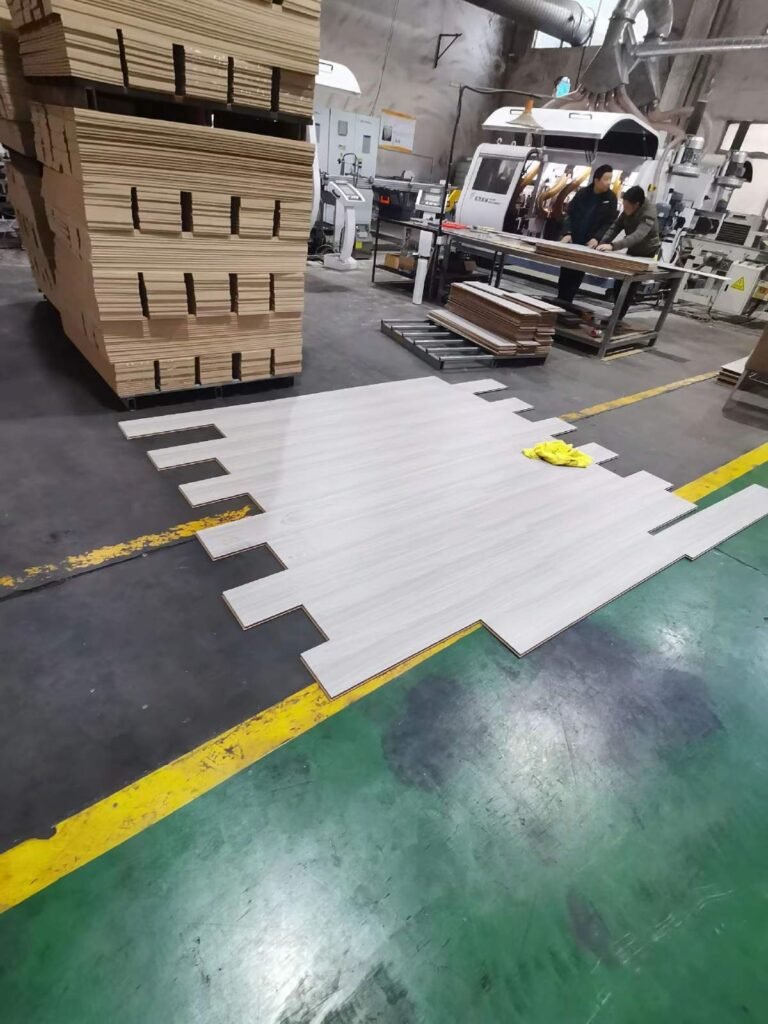
Why Does Laminate Flooring Swell?
Swelling occurs when the plank takes in moisture. The board loses dimensional stability. It might also fail to expand naturally after installation. The surface might still appear decorative, but the core structure starts to change.
Moisture Is the Main Trigger
Most laminate flooring utilizes an HDF or MDF core. This wood-based center provides the plank with strength and stability. However, it can react strongly to excess moisture. Water might seep in from spills, damp subfloors, high indoor humidity, bad cleaning habits, broken edges, or unsealed perimeter zones.
Lanhe’s laminate flooring page points out a key detail. Laminate flooring is more water-resistant than standard wooden floors because of its specific structure and coating. However, water resistance does not mean endless waterproof performance. Correct installation and regular daily care are still very important.
Pressure Can Make Swelling Worse
Sometimes the floor is installed too tightly against walls, door frames, cabinets, or fixed items. If so, the planks might lack enough room to move. Once moisture or temperature shifts happen, the flooring can push upward. This explains why buckling and swelling frequently show up together.
What Factory Causes Can Lead to Swelling Complaints?
Factory-side quality control has a huge part in stopping swelling. Buyers should never judge laminate flooring solely by color or price tag.
HDF Moisture Content Control
The HDF core has to be manufactured and stored with strictly managed moisture content. If the core material holds too much moisture before pressing, problems arise. If the boards soak up moisture during storage, the future swelling risk climbs. A steady factory inspects raw materials and production settings before the plank gets to the final packaging phase.
Good HDF ought to possess appropriate density, strong internal bonding, and neat cutting performance. If the board is too loose, it might soak up moisture much faster. If it is too brittle, the click-lock edges might break during milling or installation.
Hot-Pressing Stability
Laminate flooring is built by fusing layers under intense heat and pressure. The surface wear layer, decorative paper, HDF core, and balance layer have to stick together perfectly. If the pressing temperature, pressure, or time is unsteady, the board might develop internal stress. It could also suffer from weak bonding or inconsistent surface performance.
An expert factory manages pressing parameters with great care. This effort helps decrease surface bubbling, edge lifting, and future deformation.
Click-Lock Milling Precision
Click-lock accuracy serves as another crucial factory factor. Bad milling can produce loose joints or poor edge contact. If the joint is not snug, moisture can penetrate much easier from the plank edges. If the lock is overly tight or delicate, installers might break it during assembly.
Precise milling helps keep the joints flat and solid. It also minimizes visible gaps, edge chipping, and customer complaints after large-scale installation.
Edge and Surface Quality
The edge of the plank remains a sensitive spot. If the edge is rough, chipped, badly coated, or poorly sliced, water can seep in quicker. The surface coating also matters immensely. It guards the decorative layer against daily wear, routine cleaning, and minor spills.
For B-end buyers, sample approval needs to include edge inspection, joint testing, and plank flatness checks. It should not just involve simple surface color confirmation.
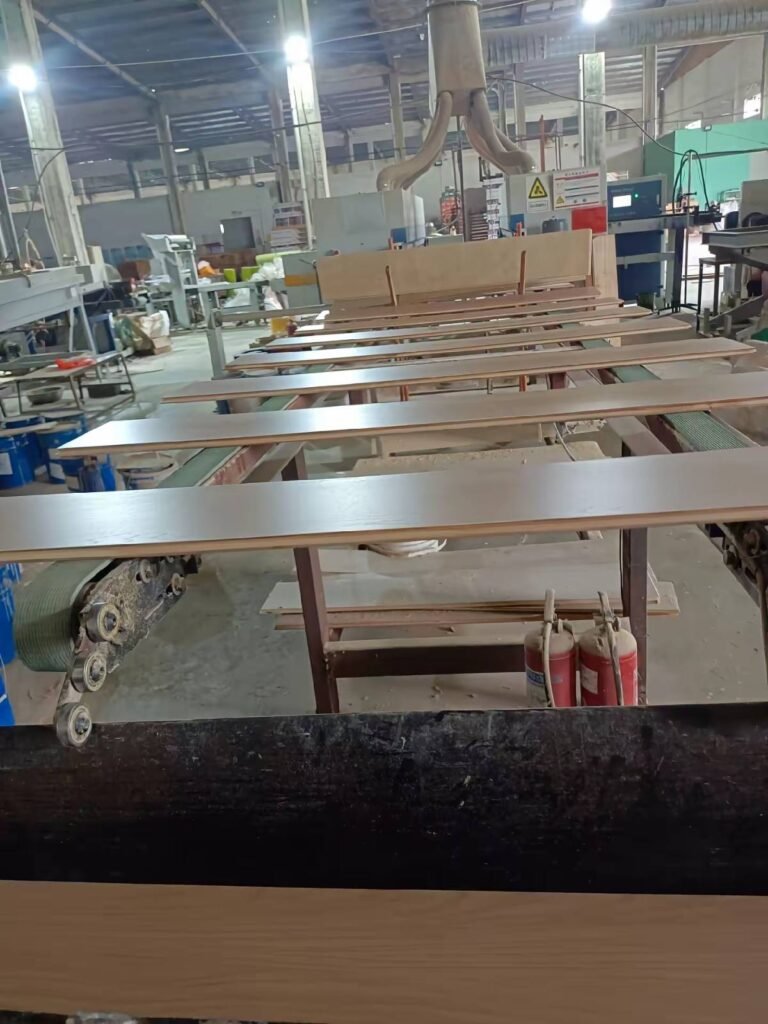
What Installation Causes Often Create Swelling?
Even premium laminate flooring can fail if it is stored or installed wrongly. Numerous complaints begin right at the jobsite, rather than in the factory.
Poor Storage Before Installation
Laminate flooring needs to be kept in a dry indoor space before installation. Cartons might be set directly on wet concrete, exposed to rain, or placed in a damp warehouse. If this happens, the planks might draw in moisture before they are even put down.
Export buyers must also inspect warehouse and shipping container conditions. Damp cartons, broken pallets, or weak moisture protection can generate issues long before the flooring gets to the customer.
Uneven or Wet Subfloor
A damp or uneven subfloor acts as a frequent reason for swelling and buckling. Concrete must be tested for moisture. Wood subfloors have to be solid, clean, and completely dry. If the subfloor releases moisture vapor, the HDF core might soak up dampness from underneath.
Installers must also steer clear of laying laminate flooring over dirty, soft, or bumpy surfaces. A terrible subfloor can put stress on the click system. It can also create gaps where moisture can easily enter.
Missing Expansion Gaps
Laminate flooring requires space to expand and shrink. Sometimes there is no expansion gap left around walls, pipes, door frames, or heavy furniture. If so, the floor can rise up when environmental conditions shift.
This error happens frequently during rushed installations. It might not be visible right away. However, swelling or buckling can emerge later when indoor humidity climbs or the room temperature shifts.
Wrong Cleaning Method
C-end users occasionally ruin laminate floors through heavy wet mopping. Puddles of water, steam cleaning, or constant soaking near the joints can cause severe swelling. Product pages and after-sales guides need to clearly explain correct cleaning methods. This helps decrease consumer complaints.
How Can Buyers Prevent Complaints Before Mass Production?
For importers, wholesalers, and flooring brands, stopping complaints begins before the order is finalized. A strict sample approval routine can lower the risk.
Confirm Color and Texture
Color and texture have to be checked under actual lighting conditions. Buyers must verify whether the sample fits the target market style. This includes oak, walnut, grey wood, matte finish, embossed texture, or high-gloss effects.
A signed sample needs to be held by both the buyer and the supplier. This practice helps compare the mass production batch with the original approved version.
Confirm Thickness and Wear Layer
Thickness impacts foot feel, overall stability, and market positioning. Wear layer quality determines scratch resistance and surface toughness. Buyers must confirm the exact thickness, AC rating, surface finish, and planned usage before mass production starts.
If the item is marketed for heavy residential or commercial traffic, the technical specification must align with that claim. Making false promises about performance is one of the quickest ways to spark complaints.
Test Click-Lock Strength
Buyers ought to assemble sample planks multiple times to test the locking performance. The joint needs to connect easily, stay snug, and remain perfectly flat. If the edge chips quickly during assembly, it might cause jobsite problems later on.
Click-lock inspection is extremely vital for massive wholesale orders. Even tiny milling mistakes can ruin thousands of square meters of product.
Check Backing and Balance Layer
The balance layer assists in reducing warping and backs up plank stability. Buyers need to see whether the back layer is flat, neat, and securely bonded. If the back layer proves unstable, the flooring might bend much more easily.
How Can Packaging and Shipment Reduce Swelling Risk?
For export orders, solid packaging defends not just the surface but also the inner core and click-lock edges.
Moisture-Resistant Packaging
Laminate flooring cartons must be shielded from moisture during storage and transit. Plastic wrapping, pallet covers, and careful container loading can lower the risk of damp cartons.
Shandong Lanhe’s company profile mentions that product quality is strictly managed from raw material sourcing to production, testing, and final delivery. They export to markets like North America, Europe, Australia, and Southeast Asia. This kind of export procedure is vital for flooring products that have to endure long-distance shipping.
Carton and Pallet Strength
Flimsy cartons can result in corner damage, crushed edges, and click-lock shattering. Buyers have to confirm carton dimensions, pieces per carton, pallet loading techniques, label details, and moisture defense before the shipment leaves.
Packaging might appear to be a minor detail. However, it directly impacts the installation results and overall customer happiness.
Why Choose Shandong Lanhe Import and Export Co., Ltd. as a Reliable SPC Flooring Supplier?
Shandong Lanhe Import and Export Co., Ltd. provides SPC flooring, laminate flooring, skirting board, bamboo wood veneer wall panels, and various other decorative flooring items. The business operates as a production and export enterprise with a thorough quality management system. They offer professional oversight from raw material buying to processing, testing, and delivery.
This article mainly talks about laminate flooring swelling. However, buyers who also purchase SPC flooring can gain from Lanhe’s wide flooring product selection, export assistance, and custom design capability. Lanhe accommodates different flooring specifications, surface styles, and market demands for international buyers.
Conclusion
Laminate flooring swelling does not result from one single issue. It can originate from moisture contact, shaky HDF quality, poor hot pressing, bad click-lock precision, or broken edges. It can also come from damp subfloors, missing expansion gaps, bad storage, or incorrect cleaning routines.
For B-end buyers, the smartest way to cut down complaints is to pick a supplier that manages factory quality and offers exact product specifications. Color, texture, thickness, wear layer, click lock, backing, packaging, and sample-to-mass-production matching must all be verified before huge orders. For C-end users, proper installation and good daily maintenance are just as crucial as the product quality itself.
FAQs
Q1: Can swollen laminate flooring return to normal after drying?
Slight swelling might turn less visible after drying out. However, heavy swelling usually cannot fully go back to its original flat shape. If the HDF core has grown or the surface has bubbled up, plank replacement is normally required.
Q2: Is laminate flooring waterproof?
Laminate flooring can be highly water-resistant. This depends on its build, coating, edge finish, and installation method. Still, it must never be treated as completely waterproof. Puddles of water, damp subfloors, and heavy wet cleaning can still trigger swelling.
Q3: What should importers check to reduce laminate flooring complaints?
Importers need to check HDF core quality, moisture content, thickness, wear layer, and AC rating. They should also verify click-lock precision, edge finish, surface coating, balance layer, carton toughness, and moisture defense. Finally, they must ensure mass production perfectly matches the approved sample.
