

SPC flooring core density acts as a vital factor for product stability. It deeply impacts impact resistance and click-lock strength. It also shapes the final purchasing cost. Importers, distributors, contractors, and homeowners often notice the surface design first. However, the rigid core truly determines how the floor behaves after installation. A well-balanced SPC core helps prevent deformation. It boosts dimensional stability and supports a stronger locking mechanism. This makes the flooring highly suitable for both residential and commercial spaces. When comparing SPC flooring samples, buyers must look beyond just color and price. They need to carefully examine core density, overall thickness, the wear layer, and the backing. Checking the click system, packaging, and sample-to-mass-production consistency is equally crucial.
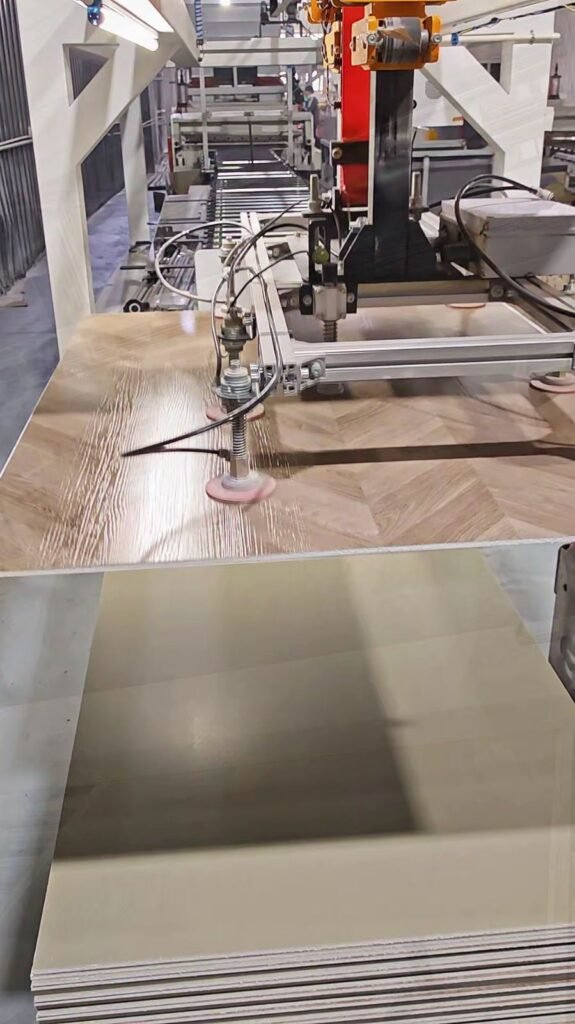
What Is SPC Flooring Core Density?
SPC flooring features a stone plastic composite core. This solid core typically blends PVC resin with limestone powder, a stabilizer, and specific additives. Together, they create a tough, rigid base layer. In Lanhe’s SPC flooring structure, the final product contains a UV layer, a wear layer, and a decorative film. It also includes the SPC core and an optional foam backing, such as EVA or IXPE.
Why Does the Core Matter?
The core serves as the structural base of the flooring plank. It dictates how the floor handles heavy pressure and sudden temperature changes. It also reacts to furniture weight, transportation stress, and installation handling. If the core feels too soft, the plank might lose its locking strength. Conversely, if the core is too brittle, the click edge could easily snap during cutting, packing, or installation.
A premium SPC flooring core must carefully balance rigidity with toughness. High density alone does not automatically guarantee superior quality. The exact formulation, the extrusion process, and strict temperature control all matter. Furthermore, raw material stability heavily influences the final performance.
What Should Buyers Check First?
Buyers need to inspect the core color and the cross-section smoothness. They should also evaluate the plank weight, edge strength, and bending response. A clean, uniform cross-section typically indicates excellent material blending. Meanwhile, a rough, powdery, or uneven core often points to poor production control.
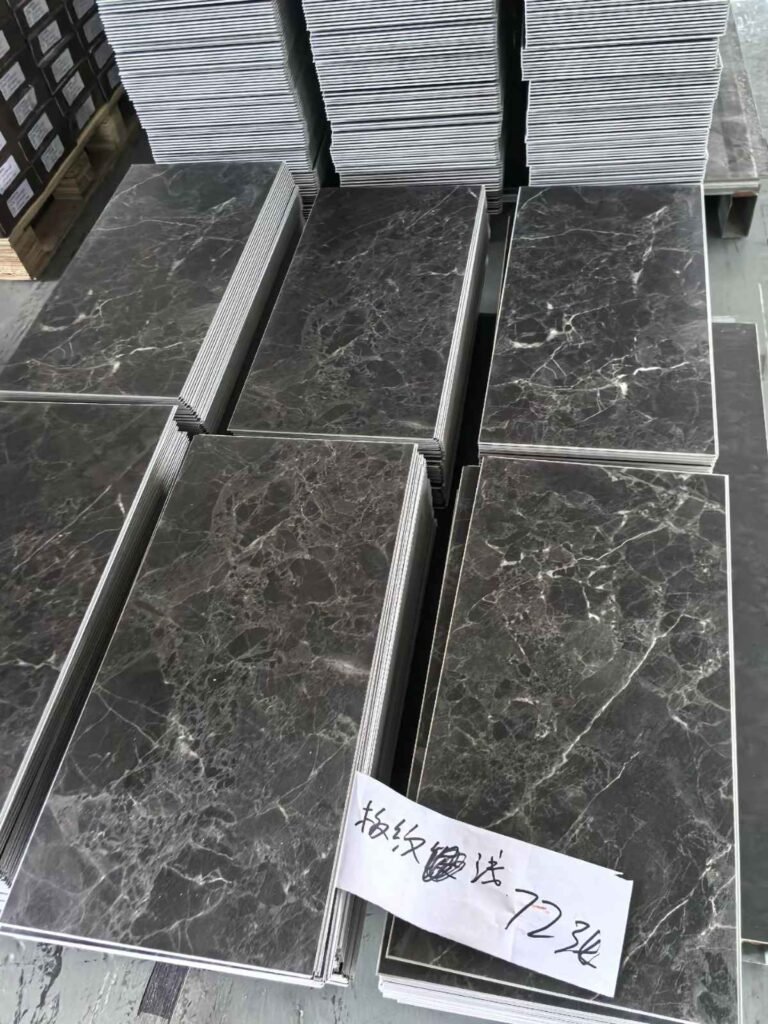
How Does Core Density Affect Dimensional Stability?
Dimensional stability remains a primary reason why buyers select SPC flooring over traditional flooring options. A highly stable SPC plank effectively resists expansion and shrinking. It also fights against cupping and warping over time.
Stability Under Temperature Changes
People frequently install SPC flooring in kitchens, apartments, and busy offices. It also appears in shops, hotels, and various indoor areas. These spaces often experience temperature shifts from air conditioning, heating, or direct sunlight. Seasonal climate variations also play a role. A dense, properly formulated core significantly minimizes movement after installation.
Still, density must align perfectly with thickness, click design, and specific installation conditions. Even top-tier SPC floors can fail if the subfloor remains uneven. Ignoring expansion gaps or installing the planks too tightly against walls will also cause severe problems.
Why Is Thickness Also Important?
Lanhe’s SPC flooring specifications offer multiple plank thickness options, including 4mm, 5mm, 6mm, 7mm, and 8mm. These all feature a protective UV coating. Thicker boards generally provide a much firmer feel underfoot. They are often ideal for heavy commercial or large project use. For strict budget residential projects, 4mm or 5mm boards still perform nicely, provided the core quality and installation process remain strictly controlled.
Why Does Core Density Influence Impact Resistance?
Impact resistance defines how well the floor withstands dropping objects and heavy furniture pressure. It also covers daily foot traffic and rolling carts. The core directly determines this specific performance trait.
Resistance to Dents and Edge Damage
A robust SPC core helps the plank avoid deep dents and edge cracking. This proves extremely vital during bulk transportation and rough jobsite handling. For B2B buyers, any damage during unloading or installation quickly increases replacement costs. It also delays the final project delivery.
The click-lock edge remains one of the most vulnerable spots. If the core density and toughness fail to balance, the click profile might chip quite easily. This issue leads to loose joints, ugly visible gaps, and frustrating customer complaints.
Matching Core Density with Use Scenarios
For basic light residential use, buyers often prioritize comfort, appealing design, and low price. However, for demanding commercial spaces, rental apartments, and busy hotels, the needs change. Offices and retail stores require much stronger core performance. Buyers must request a thicker wear layer and a highly dependable click system.
One should never judge core density in isolation. The wear layer, UV coating, backing, and locking system all function together. They collectively determine the product’s true service life.
How Does Core Density Affect Cost?
SPC flooring cost ties directly to raw materials and the specific core formulation. Thickness, wear layer, surface finish, backing, click system, and packaging also drive the final price.
Raw Material and Formula Cost
A superior core demands highly stable raw materials and rigorous production oversight. Sometimes, a supplier cuts costs by altering the stone powder ratio or adding more recycled material. They might even use a cheaper stabilizer. The resulting floor might look fine initially, but it will likely fail shortly after installation.
Therefore, buyers must inspect extremely cheap SPC flooring with great caution. A surprisingly low price often results from thinner planks or weaker wear layers. Poor click precision, flimsy backing, or inadequate packaging protection also reduce costs.
Cost Should Match the Market
Lanhe supplies SPC flooring with diverse wear layer options, such as 0.3mm, 0.5mm, 0.55mm, and 0.70mm. These products fit both residential and commercial applications flawlessly. For standard retail channels, a mid-range specification usually suffices. For large commercial projects, however, buyers demand superior wear resistance and outstanding structural stability.
The best choice is not necessarily the priciest product. Instead, it is the exact product that aligns with the expected traffic level and the specific installation area. It must also meet customer expectations and fit the intended resale positioning.
What Should Buyers Confirm Before Approving SPC Flooring Samples?
Sample approval stands as a critical phase before mass production begins. Numerous flooring disputes arise simply because a buyer only checks the color while ignoring essential technical details.
Color and Texture Confirmation
Buyers must evaluate color under natural sunlight and standard indoor lighting. A printed film color can appear vastly different in photos, showroom displays, and the actual project site. Buyers need to verify the exact color code, the batch sample, the plank layout, and the precise surface texture.
Texture holds significant importance. Lanhe’s SPC flooring surface options feature BP embossed, line emboss, and wood grain finishes. They also offer EIR surface finish, coral, and lychee texture. EIR produces a remarkably authentic wood feel. Conversely, standard embossed surfaces often fit cost-sensitive markets better.
Thickness, Wear Layer, and Backing
Before finalizing a massive bulk order, buyers must confirm the total thickness and the exact SPC core thickness. They must also check the wear layer thickness and the specific backing type. Lanhe offers excellent sound insulation backing options, including IXPE, EVA, and cork, available in various thicknesses. IXPE and EVA greatly enhance underfoot comfort and sound reduction. However, they also impact the overall product cost and the final carton volume.
Click Lock and Edge Details
Buyers must test the click-lock performance using actual installation samples. Lanhe’s specifications highlight the Unilin click lock system and Valinge click options. Buyers need to ensure the planks lock together smoothly. They must verify that the joints remain tight and that the click edge survives repeated assembly without breaking.
The edge style requires careful confirmation as well. Micro V-groove, painted bevel, and standard square edge designs produce completely different visual aesthetics once installed.
How Can Buyers Keep Samples and Mass Production Consistent?
Sample quality proves valuable only if the factory replicates it perfectly during mass production. Strict consistency remains vital for busy distributors and large project buyers.
Keep Approved Samples for Reference
Buyers must retain signed reference samples to verify color, texture, and thickness. They also need them to check the click profile, backing, and packaging. The supplier must keep an identical matching sample. During active production, inspection teams can easily compare the bulk goods directly against the approved reference.
Check Packaging Before Shipment
Proper packaging securely protects the flooring during long storage and rough shipping. Lanhe’s product information details packing options like 8pcs, 10pcs, or 15pcs per carton. These include protective plastic bags and sturdy pallets. Buyers must verify the carton strength, the pallet method, and accurate label information. Checking moisture protection and the final loading plan before shipment is crucial.
Durable packaging is especially vital for SPC flooring. Fragile click edges easily suffer severe damage if workers squeeze or drop the cartons.
Why Choose Shandong Lanhe Import and Export Co., Ltd. as a Reliable SPC Flooring Supplier?
Shandong Lanhe Import and Export Co., Ltd. delivers premium SPC flooring, SPC floor, and skirting board. They also supply laminate flooring, bamboo wood veneer wall panels, and various related decorative products. The official company profile confirms that Lanhe utilizes a comprehensive quality management system. They strictly monitor product quality from initial raw material procurement all the way through production, final inspection, and delivery. Their top-quality products reach major markets, including North America, Europe, Australia, and Southeast Asia.
For dedicated SPC flooring buyers, Lanhe supports numerous distinct designs, thicknesses, and wear layers. They offer multiple click systems, backing choices, and custom packaging requirements. This flexibility makes them an ideal partner for importers, wholesalers, contractors, and project buyers who demand a highly stable SPC flooring supply.
Conclusion
SPC flooring core density impacts much more than just the simple plank weight. It heavily influences dimensional stability, impact resistance, and click-lock strength. It also dictates shipping durability, installation performance, and the ultimate final cost. Buyers must never judge SPC flooring solely by its color, surface design, or basic unit price. A thorough, complete evaluation must cover core quality, exact thickness, and the wear layer. It should also include the click system, backing, edge style, packaging, and strict sample-to-mass-production consistency.
For professional B2B buyers, the most secure method involves confirming all technical details well before mass production starts. Keeping approved samples for final inspection is mandatory. For residential and commercial users, choosing the correct SPC flooring specification minimizes future complaints. It also significantly boosts long-term satisfaction.
FAQs
Q1: Does higher SPC flooring core density always mean better quality?
Not necessarily. While higher density improves basic rigidity and impact resistance, the core also requires adequate toughness. It needs a highly stable formulation and precise extrusion. If the core becomes too brittle, the delicate click edges might snap quite easily.
Q2: What should buyers check in an SPC flooring sample?
Buyers need to carefully examine the color, surface texture, overall thickness, and wear layer. They should inspect the core cross-section, click-lock strength, and backing type. Checking the edge style, plank flatness, and packaging details before approving mass production is essential.
Q3: Why does SPC flooring cost vary so much between suppliers?
Prices fluctuate due to differences in core formulation, plank thickness, and wear layer thickness. Surface finish, the chosen click system, backing material, and packaging quality also affect the price. Furthermore, strict production control and total order quantity play major roles. An unusually low price often indicates weaker performance or highly unstable quality.
