

When sourcing SPC flooring, buyers often compare thickness, wear layer, click system, and core construction first. Surface texture sometimes receives less attention, even though it can significantly change how the finished flooring looks and feels. BP Embossed, Line Emboss, EIR, and Coral Texture do not create the same visual result, and simply writing “embossed SPC flooring” in an RFQ may leave too much room for interpretation. For distributors, project buyers, and private-label brands, choosing the right SPC flooring surface texture means matching the décor, target market, price position, and approved sample before mass production.
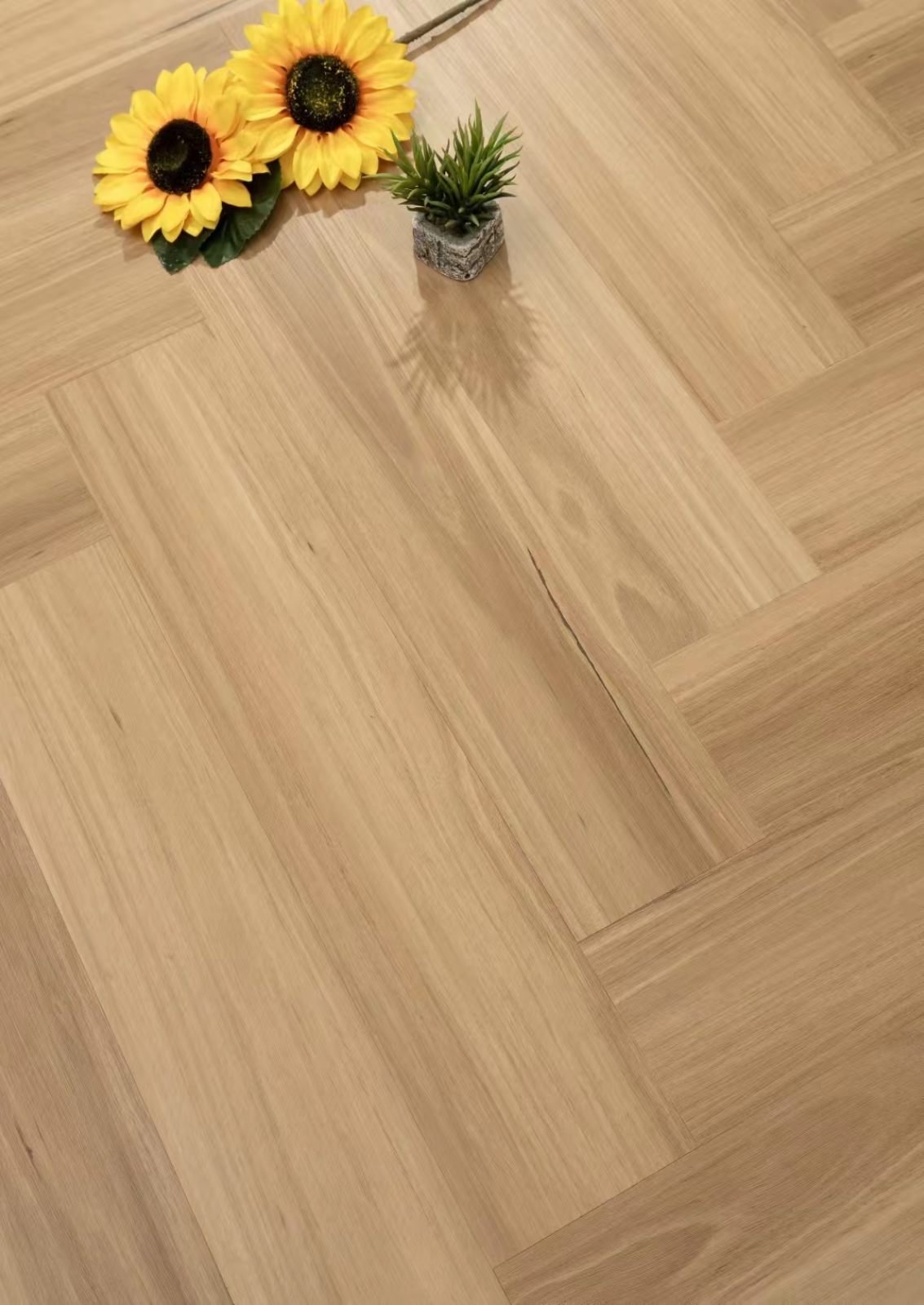
What Does the Surface Texture Change on SPC Flooring?
The surface texture sits above the decorative appearance of the plank and helps create the tactile character buyers feel when they touch or walk across the floor. It should work together with the printed décor rather than being treated as an isolated feature.
Why Does Texture Matter for Wood-Look SPC Flooring?
A wood-grain decorative film can look flat if the surface treatment does not reinforce the visual design. Embossing adds small raised and recessed structures that help give the plank more depth.
For buyers selling several SPC collections, texture is also one way to differentiate entry-level, mainstream, and more design-focused products without changing the entire floor construction.
Lanhe’s SPC range includes several surface treatments, including BP surface, wood grain, EIR, and other textured finishes.
How Do BP Embossed, Line Emboss, EIR, and Coral Texture Differ?
These surface finishes all create texture, but they produce different visual and tactile effects. Buyers should compare physical samples because photographs alone may not show the difference clearly.
What Is BP Embossed SPC Flooring?
BP Embossed creates a general wood-like surface pattern across the plank. The embossing does not need to match every printed grain feature precisely. That makes it suitable for many mainstream wood-grain SPC flooring collections where buyers want a textured finish without requiring exact grain registration.
It can work well for residential ranges, rental projects, and price-sensitive wholesale programs where a realistic but straightforward surface is sufficient.
What Is Line Emboss?
Line Emboss creates more directional surface structures. Instead of producing a broad irregular texture, the embossing can visually follow the length of the plank and reinforce the direction of the wood grain.
This can be useful for modern oak, light wood, and clean-grain designs where buyers want the surface to look structured without appearing heavily rustic. The important point is consistency. If the depth or direction varies across boards, the installed floor may look uneven when light passes across the surface.
How Is EIR Different?
EIR means Embossed in Register. Unlike standard embossing, EIR is designed so that the physical texture corresponds more closely with the printed décor. A printed knot, grain line, or pore can have a related surface structure in the same area.
This creates a stronger natural-wood effect and makes EIR attractive for flooring collections positioned toward buyers who care more about realistic appearance. However, EIR requires more precise alignment between décor and texture. Poor registration can make the texture appear shifted from the printed wood grain.
When Does Coral Texture Make Sense?
Coral Texture creates a more noticeable tactile surface rather than trying to copy every printed wood feature exactly. It can give SPC flooring a distinctive touch and help separate one collection from another. Depending on the décor, it may work better for products where surface character is part of the design rather than where natural wood replication is the only objective.
Lanhe’s product materials also include Coral and Lychee texture among available SPC finish options.
How Does Factory Control Affect SPC Surface Texture Consistency?
Choosing the correct texture is only the first step. Buyers also need the same finish to remain stable across thousands of square meters. A good approval sample has limited value if the bulk order does not reproduce it consistently.
What Can Cause Texture Variation?
Surface appearance can be influenced by the texture tooling, production settings, plank surface condition, and later surface treatment. Variation may show up as different texture depth, gloss, grain clarity, or visible changes between production batches.
For EIR, registration accuracy also matters. For Line Emboss, directional consistency becomes important. For Coral Texture or BP Embossed, buyers should check whether the overall tactile effect stays similar from board to board. Sampling from several cartons gives a more useful picture than inspecting one plank.
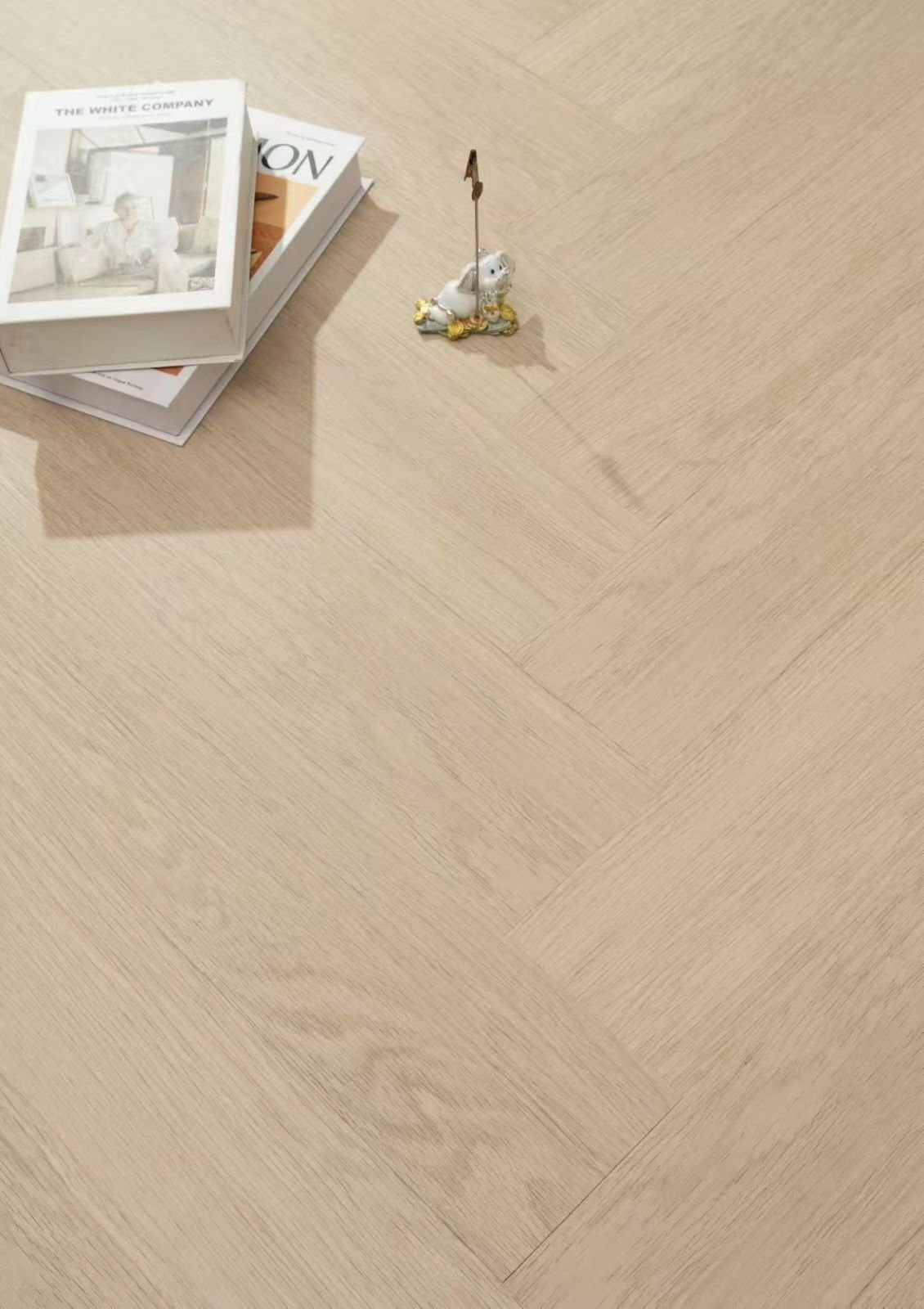
How Should Buyers Choose the Right SPC Flooring Surface Finish?
The best surface finish depends on what the product is supposed to achieve. A distributor building several collections may not need the same texture across every price tier.
For a mainstream wood-look range, BP Embossed can provide practical texture without making the surface specification too complex. Line Emboss can suit cleaner and more directional wood designs. EIR is worth considering where realistic grain alignment is important. Coral Texture can work when a more distinctive tactile character is desired.
Buyers should also consider the décor itself. A subtle light oak may not need the same texture depth as a rustic walnut pattern. The objective is not simply to choose the most complex surface. It is to select a finish that supports the printed design and target market.
What Should Buyers Put in an SPC Flooring RFQ?
The term “embossed surface” is often too broad for a serious bulk order. A better RFQ should clearly identify the surface type together with the other construction details.
Useful items to confirm include the surface finish, décor code, total plank thickness, wear layer, plank dimensions, click system, edge profile, underlay, and packaging.
For EIR products, buyers should also confirm the intended grain-to-texture alignment. For other textures, the expected depth and appearance should be compared with the approved sample. Keeping the approved reference sample for repeat orders can reduce disputes when a collection is reordered months later.
Why Is Lanhe Flooring a Reliable SPC Flooring Supplier?
Shandong Lanhe Import and Export Co., Ltd. supplies SPC flooring with wood-grain, marble, parquet, herringbone, and fishbone designs. Available specifications include multiple surface treatments, wear layers, plank thicknesses, Unilin or Valinge locking systems, different edge styles, and IXPE or EVA backing options.
This allows distributors and project buyers to coordinate the SPC flooring surface finish with the rest of the product specification rather than treating texture as a separate decorative choice.
Conclusion
BP Embossed, Line Emboss, EIR, and Coral Texture serve different design goals. BP offers a practical general texture, Line Emboss reinforces directional grain, EIR focuses on matching texture with the printed décor, and Coral Texture creates a more distinctive tactile finish.
For B2B buyers, the best surface is the one that fits the décor, target market, price position, and approved quality standard. Clearly defining the surface finish in the RFQ and checking several boards from bulk production can help keep texture consistent across the final order.
FAQs
1. Is EIR SPC Flooring Better Than Standard Embossed SPC Flooring?
Not always. EIR offers more precise grain-to-texture matching, but standard embossing may be more suitable for mainstream or cost-sensitive flooring collections.
2. Can the Same Wood Décor Use Different SPC Surface Textures?
Yes. A décor can create noticeably different visual and tactile effects depending on whether it uses BP Embossed, Line Emboss, EIR, or another surface finish.
3. How Should Buyers Check SPC Surface Texture Before Shipment?
Compare random planks from several cartons with the approved sample. Check texture depth, consistency, gloss, décor appearance, and EIR registration where applicable.
