

Laminate flooring has become one of the most popular types of flooring for homes and businesses around the world, due to its affordability, durability and esthetic appeal. With so many designs of laminate flooring to choose from including a wide variety of different styles of laminate wood flooring and laminate stone flooring, this type of flooring is commonly used in apartments, offices, retail stores, hotels and many other types of residential and commercial properties as well as in home renovation projects. One of the main benefits of laminate flooring is that it is 100% waterproof, meaning that it can be used in any room of the house without fear of it becoming damaged due to water. In addition to being very durable, laminate flooring is also very easy to install, thanks to the use of advanced click-lock systems. These systems make it possible to install laminate flooring very quickly, with some people even able to complete the entire job in a single day.
Laminate flooring can be very efficient for contractors, distributors as well as DIY-installers. They will benefit from the faster installation as well as the low maintenance that laminate flooring requires, compared to traditional hardwood floors. New locking systems as well as surface treatments offer great stability, resistance against scratches and a wide variety of designs for high traffic areas.
Even with the best flooring, the work of a professional installer can depend greatly on how the installer prepares for the job, uses the products and follows the installation methods, and the quality of those products. Items such as subfloor preparation, and the accurate installation of flooring planks as well as proper management of the expansion gaps will affect how the finished flooring system will perform long term.
This guide will explain the full process for completing a laminate flooring installation as a DIY project. It covers the various methods for preparing a room, the step by step process for laying the flooring, ways in which you can look after your laminate floor and what mistakes to avoid to ensure that your laminate flooring looks great for years to come.
What Makes Laminate Flooring a Practical Choice for Professionals?
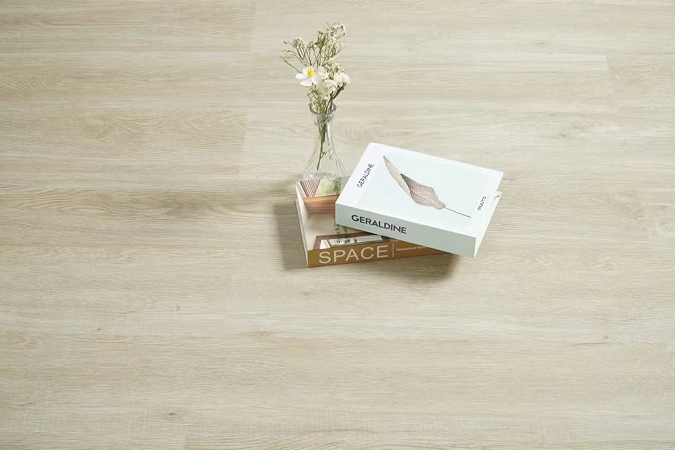
Laminate flooring has become a favorite amongst builders and interior designers. Not only is laminate cost effective and durable like an engineered floor, it also comes in a wide variety of colors to mimic real wood or stone and can be used in both domestic and commercial properties. For the tradesperson laminate flooring is also efficient to install using the click-lock system and comes with simple to follow fitting instructions to enable workers to complete the job quickly in order to minimize downtime.
Laminate flooring is commonly known as “diamond board”, and its standard name is “impregnated paper laminated wood flooring”. Laminate flooring is also called composite wood flooring, which is made of hardboard and medium-density fiberboard as the base material and impregnated paper film veneer layer, and the surface is coated with wear-resistant materials such as melamine and aluminum oxide. This layered construction provides exceptional strength, stability, and longevity—key factors that appeal to professionals managing multiple project types.
Key Benefits of Laminate Flooring
Scratches, stains and fading are all resisted by laminate flooring making it the most durable of all flooring types. It is 100% waterproof and designed to withstand heavy wear and tear. All laminate flooring has very realistic designs to mimic real flooring such as wood, stone and carpet and many laminate flooring products are eco-friendly ensuring they are safe for use in all homes. Easy to install and very low maintenance, laminate flooring is a cost effective solution that can last for years to come. Perfect for high-traffic commercial environments like offices and retail spaces.
Aesthetically, laminate offers flexibility. Designers can opt for a variety of finishes from realistic wood looks to designer stone and innovative prints and they will achieve a luxury look at a fraction of the cost of hardwood, stone and ceramic tiles. Most of all, it is very affordable.
Essential Tools and Materials Required
If you are undertaking a DIY flooring project, you will need to use some professional quality tools to carry out the installation correctly. These include a good quality measuring tape to ensure that you are cutting your flooring planks accurately. Also, you will need to use floor spacers to ensure that there are enough gaps for the floor to expand. Good quality tapping blocks and pull bars will also be required to ensure that you are able to press the joints of the flooring together tightly where necessary. In addition, you will need to use a variety of saws to cut the flooring planks to the required size and length. Finally, a good quality underlayment will be required to provide a smooth surface for your new flooring. Most laminate flooring products come with a locking system and there are two main types of locking systems on the market, these are the Unilin locking mechanism and the Valinge locking mechanism. The locking mechanism that you choose will depend on the specific requirements of your project. It is also very important to remember to use the correct safety equipment when laying any type of flooring, such as gloves and knee pads.
How Should You Prepare the Subfloor Before Installation?
Preparation is key to a good end result. An unprepared subfloor can lead to problems with uneven surfaces or planks coming loose over time. An even and clean subfloor will help prevent problems with hardwood floors that expand and contract, such as misalignment of individual planks.
Evaluating the Subfloor Condition
Measure along two metre straightedge to check for any dips or humps greater than 3mm. Use floor leveler products to level out any problems or sand down high points. Also measure the moisture levels to ensure that they are within the manufacturers guidelines for floor installation.
Installing the Underlayment Layer
Stable underlayment installed perpendicular to the plank direction is critical to the success of the installation. Underlayment seams should overlap slightly and be secured with tape to prevent movement. Installation over concrete or below-grade applications requires the addition of a moisture barrier to prevent the transmission of moisture through the laminate flooring to the subfloor below where it can cause damage to the core of the laminate flooring.
What Are the Step-by-Step Procedures for Installing Laminate Flooring?
From there, we follow a very specific methodology to execute the work in a way that is of the highest professional quality and durability, while at the same time being aesthetically consistent from start to finish.
Planning the Layout and Acclimating Materials
Laminate flooring should acclimate to the environment it will be installed in for at least 48 hours prior to installation. This allows the flooring to equilibrate to the moisture in the air and increases the stability of the flooring’s moisture content. Be sure to draw the flooring layout lines so that end cuts of flooring will be reasonably wide and not confined to areas such as between wall and abreast of a doorway. Mixing flooring from different boxes will assure that there will be a good distribution of color variations throughout the installed flooring.
Installing the First Row Correctly
Begin laying planks along the longest wall or in areas most visible upon entry. Use spacers around perimeters to maintain proper expansion gaps essential for thermal movement control. Engage tongues into grooves gently without forcing connections—precision ensures seamless joints without damage.
Continuing Installation Across the Room
Ensure structural strength by staggering plank joints by at least 12” across rows. Use of a tapping block is recommended to achieve tight joint seams. End pieces should be cut to size using a fine-tooth saw to create a quality finish against walls and corners.
Finishing Edges and Transitions
Finish off the job by installing baseboards or quarter-round moldings over the expansion gaps for a neater finish. Fit transition strips where you have changed floor coverings (e.g. carpet to laminate) or thresholds to rooms to create a smooth transition. Carry out a final check on all joints for tightness and clean any debris from surfaces.
How Can You Maintain Laminate Flooring After Installation?
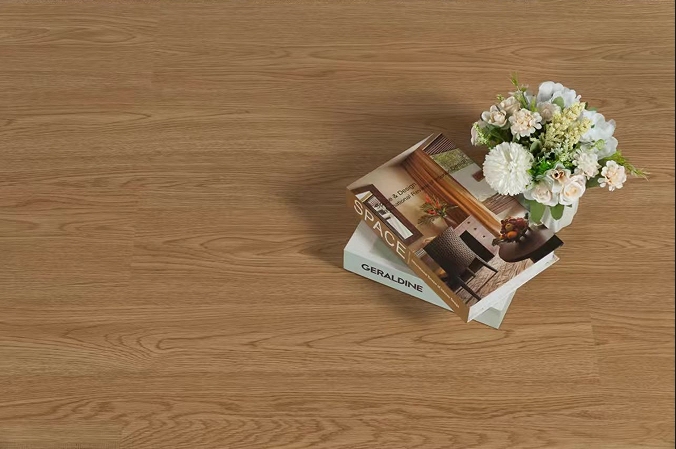
Proper maintenance preserves the appearance and performance of your kitchen for years to come while keeping repair costs due to wear and tear to a minimum.
Routine Cleaning Practices
Clean floor mats regularly with soft bristles to pick up dirt without scratching. Occasionally damp-mop with approved cleaning products. Avoid having excess water on the floor for long as it may seep into the seams and cause the floor to buckle or delaminate. Always wipe up spills immediately.
Preventing Wear and Surface Damage
Felt pads can be attached to the legs of furniture to absorb scratches before they can do any damage when moving furniture across flooring. Use rugs in high traffic areas like hallways to stave off the collection of abrasive grit. Maintain the indoor humidity between 35–65% to prevent excessive expansion and buckling or contraction with laminate flooring.
Why Choose Shandong Lanhe Import and Export Co., Ltd as Your Laminate Flooring Supplier?
Shandong Lanhe Import and Export Co., Ltd. specializes in laminate manufacturing, is your best choice for seeking high quality laminate products and reliable global supply.
Shandong lanahe import and Export Co., Ltd. is a specialized producer & exporter, equipped with a complete quality management system. As the product goes through from raw material to delivery to customers, the advanced automated production line guarantees consistency while all batches go through strict quality checks.
Laminate flooring Structure Laminate flooring is made up of four layers of materials. Wear-resistant layer, decorative layer, base material layer and balance layer. Engineering produced Shandong Lanhe’s laminate flooring has stable dimension even in different environments, which is good for professional installation.
Highlights of Shandong Lanhe’s Offerings
From our comprehensive portfolio of solid surface materials you can choose from a wide range of trowel depths, from 6mm up to 12mm. We can also provide a number of different surface finishes such as EIR embossed, matte, high gloss, hand scraped and more. Our production techniques enable us to create materials with locking systems that perform well and surfaces that have the correct and realistic look and feel. Our distribution network enables us to deliver worldwide. Our customer service team are experts in all international trade and have experience in serving customers in Europe, Australia, South East Asia and North America.
What Are Common Challenges During Installation and How Can They Be Avoided?
Even experienced professionals can encounter technical problems when installing laminate flooring. However with strategic foresight any setbacks can be averted.
Managing Expansion Gaps Properly
Please always ensure that expansion gaps around all room edges are left opened to the recommended amount as stipulated by manufacturer’s literature. Don’t block these gaps as flooring planks will naturally expand and contract with temperature and this could cause severe buckling if blocked.
Handling Irregular Wall Lines
Rooms rarely feature perfectly straight walls; therefore initial rows often require scribe-cutting techniques ensuring precise alignment against uneven edges while maintaining aesthetic continuity across subsequent rows. Consistent spacer use remains critical even when wall contours vary slightly within tolerance limits.
Conclusion: Achieving Professional Results Through Careful Execution
Perfect DIY laminate flooring installation requires discipline to complete a perfect preparation. Accurate measurement and correct tools guarantee best possible fit during the installation process. Professionals who work with high quality flooring materials such as Shandong Lanhe Import & Export Co., Ltd. guarantee beautiful flooring which is durable enough for any project size. Small boutique properties as well as large commercial properties can be perfectly equipped with elegant flooring.
FAQs
Q1: Can laminate flooring be installed over existing tile or vinyl surfaces?
Yes. As long as the bottom layers are flat, clean, dry and sound, and the appropriate underlayment is being applied, unless that underlayment is integrated into the product design.
Q2: How long does it typically take an experienced installer to complete an average-sized room?
Experienced timber floor installers using click-lock systems can usually complete between 200 and 300 square meters and prepare for installation of further floors in a day, depending on the nature of site preparation required and associated factors.
Q3: Is it necessary to leave expansion gaps even in climate-controlled environments?
Absolutely not. The indoor climate control does not have to remove all microscale thermal fluctuations. The corresponding expansion and contraction of the structure can be prevented from inducing stresses by maintaining the appropriate expansion clearances. The structural integrity is thus preserved also in the course of the seasons.
