

Importers in the flooring trade constantly weigh rigid versus flexible vinyl options when planning large container orders. The real difference between SPC flooring and LVT — especially what importers really need to know before committing — comes down to core construction, resilience during long-haul shipping, dimensional stability across changing climates, and how market demand is shifting heading into 2026. SPC builds on a dense stone plastic composite core that mixes virgin PVC with stone powder, delivering the stiffness that keeps planks flat and intact through rough handling. LVT sticks with layered flexible vinyl, trading some rigidity for better subfloor forgiveness but carrying higher risks of flex damage or deformation. Projections show SPC growing 15-20% in commercial channels while LVT holds ground in residential and premium eco lines, making the choice hit margins and repeat orders hard.
Years of container runs have proven these structural gaps in cold cash terms. SPC shipments clear ports with few claims; LVT lots often demand extra checks for bent edges or surface marks. Demand is tilting too—commercial buyers keep asking for SPC when floors must take carts and crowds without endless fixes.
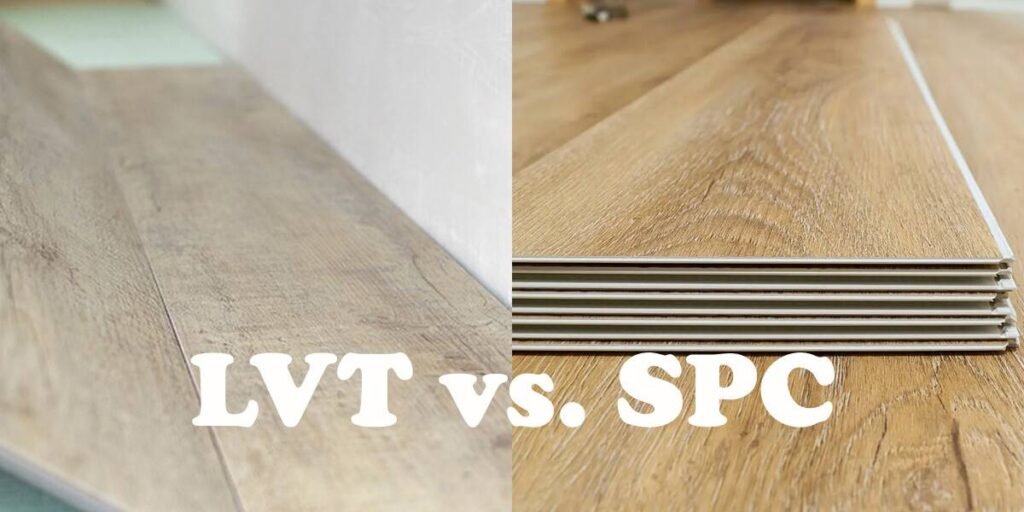
SPC vs LVT Flooring Differences: Core Structure and Durability
The core lays bare how each material behaves once down. SPC draws from a heavy stone plastic composite that fuses calcium carbonate with stabilizers, landing on a rigid board that won’t bow or cup. Thickness runs 4 to 8 mm usually, and that density gives enough mass to shrug off pressure that dents softer stuff. LVT stacks vinyl layers that stay bendy, bridging small subfloor flaws but opening the door to shape shifts over years.
Durability splits them wide in actual use. SPC wear layers—0.3 to 0.5 mm thick—pack UV shields that brush off daily scratches. Slam a 100-kg load and the face stays smooth; LVT often shows prints because the core yields. Commercial floors tell the tale—offices, hotels, retail pulling thousands of steps hold 15-20 years on SPC, while LVT caps at 10-15 under the same pounding.
Application tracks those traits. SPC suits big imports for chain stores or public builds where stability across climates counts. LVT fits smaller residential shipments where the give speeds cuts around fixtures. Coastal runs show SPC keeping flatness after humid sea time, expansion under 0.1%. LVT creeps toward 0.3% in the same setup, sparking gaps or fixes at install.
Think of a container hitting Long Beach after a tough crossing. SPC stacks unload straight and square, ready to move. LVT pallets frequently show curled edges needing flattening or swaps, chewing schedule and budget. Makeup adds layers—SPC runs clean from virgin stock, clearing EU and North American regs easily, while LVT sometimes needs added steps for matching air standards.
Fire ratings tip scales in public work. SPC hits B1 self-extinguishing fast; LVT matches in spots but less reliably. Storage perks appear too—SPC’s stiffness allows tighter stacks, freeing 20% more warehouse room than LVT’s padding demands.
SPC vs LVT: Transportation Damage, Board Stability, and 2026 Market Trends
Transportation damage lurks in global chains. SPC’s stiff core takes loading jolts without splits—logs hold breakage under 5% with basic corner guards. LVT’s give works against it; rough moves crease or bend layers for good, pushing claims to 15% on Asia-to-Europe hauls. Extra wraps cut risk, but SPC’s built-in toughness starts ahead.
Board stability turns the bigger issue post-clearance. SPC planks lock dimensions, barely moving at 80% humidity from the dense core. LVT, vinyl’s natural flex, shifts 0.2-0.5% when conditions flip, creating layout trouble in swinging climates. Heat runs at 140°F for 48 hours leave SPC gap-free; LVT seams pull apart.
Market demand changes push forward into 2026. Forecasts give SPC bigger commercial slice—retail, hospitality, offices—where low-care floors trim costs. LVT stays residential strong but heads upscale with sustainable lines as green rules tighten. Importers see SPC inquiries up 20% for hybrid jobs needing looks plus life.
Field comparisons make numbers concrete. Midwest warehouses see SPC take forklift spins daily without dents; LVT needs careful spots to dodge marks. European hotels lean SPC for corridors, cutting swaps 30%. Freight reflects too—SPC packs tight on plywood pallets, trimming 8-12% container costs, while LVT wants bulkier guards against bends.
Regional shifts show in demand. Humid Southeast Asia and U.S. Gulf spots turn to SPC to skip deformation that LVT brings. Importers tracking patterns avoid LVT overstock in growth areas and line up SPC for the commercial push.
Actionable Guide: What Importers Should Know Before Ordering SPC vs LVT
Begin with a sharp market read. Commercial heavy-traffic bids favor SPC for cart-and-crowd rigidity. Residential ease-of-lay jobs often stay LVT. Climate numbers weigh big—SPC proves in humid zones where deformation kills LVT profits.
Stability checks come next. Push suppliers for chamber data at 60-90% humidity over 72 hours; SPC stays under 0.1% shift. LVT needs subfloor flatness checks since flex demands even bases to avoid waves. Density matters—SPC over 2000 kg/m³ stands transit better, backed by outside reports.
Order tuning runs through audits. Nail packaging—plywood pallets with edge guards drop damage 10%. Sample wear layers; 0.5 mm thickness gives longer runs in busy spots. Dodge low-grade traps with pre-shipment videos catching stability slips early.
Decision math pulls it together. Weigh ROI: SPC’s longer run offsets 15% higher entry with 20% upkeep savings over five years. Market fit helps—push 60% to SPC for 2026 commercial rise, hold LVT for eco-residential niches.
Prevention sets the guardrail. Spread suppliers to cover trends; aim 60% SPC in rising segments. Log shipments with temp records so cores avoid extremes. LVT gets desiccants in containers to fight moisture.
Execution keeps the chain smooth. Early factory talks flag trending specs, dodging delays at demand peaks. These moves turn risks into steady, predictable flow.
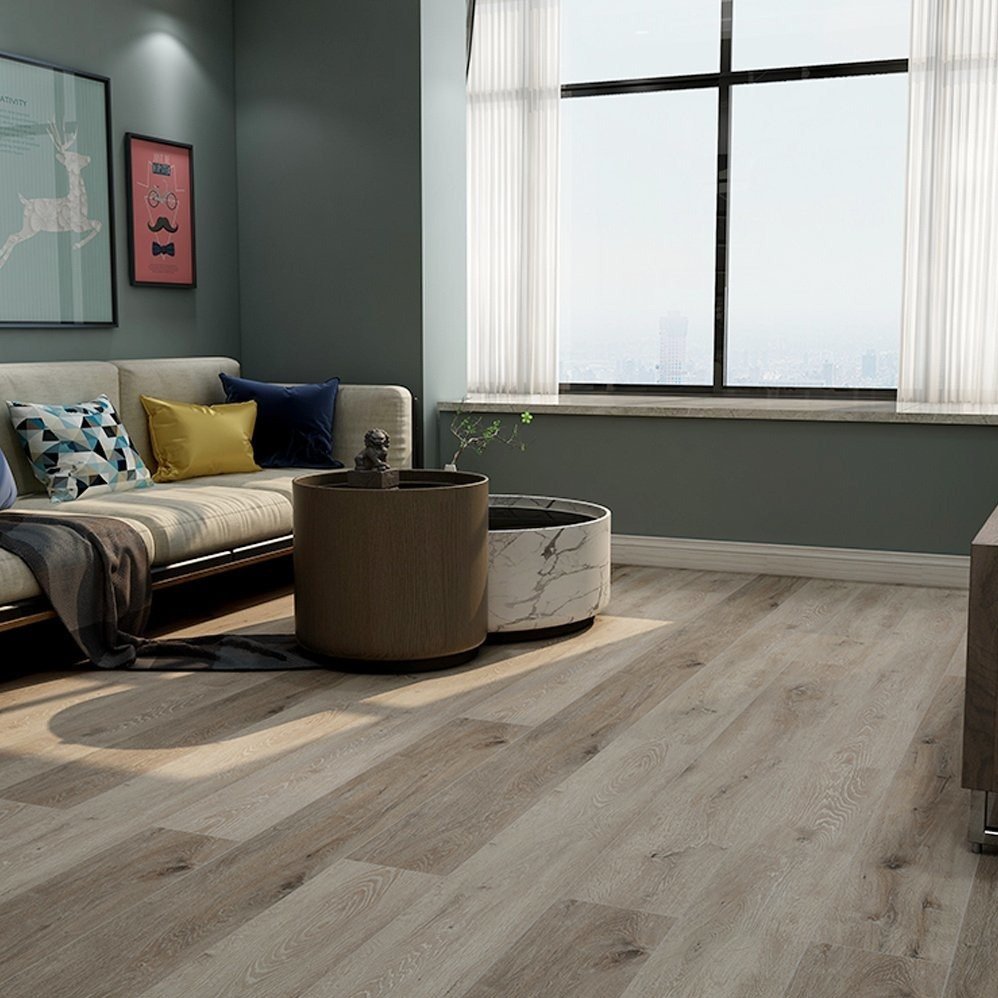
About Shandong Lanhe Import and Export Co., Ltd.
Shandong Lanhe Import and Export Co., Ltd. runs as a focused manufacturer and exporter centered on high-quality SPC flooring. Based in Jinan, the operation uses modern automated lines with tight quality oversight from raw intake to final checks. Lanhe’s SPC draws 100% virgin PVC and stone powder cores, delivering strong waterproofing, wear resistance, and dimensional stability. FloorScore and CE marks highlight the push for environmental compliance and steady performance. Exports cover North America, Europe, Australia, Southeast Asia, with custom options and reliable schedules, making Lanhe a solid choice for importers needing materials built for tough jobs.
Conclusion
The divide between SPC and LVT shapes importer plays, from core stiffness to market fits. SPC’s stability and toughness give it the lead in commercial growth, while LVT holds flexible residential ground. Grasping these gaps cuts risks, tightens logistics, and lines inventory with demand direction.
FAQs
What’s the main difference between SPC flooring and LVT for high-traffic areas?
SPC flooring delivers rigid stone plastic cores that resist dents and hold stability under heavy traffic, while LVT’s flexible vinyl layers deform more readily in those settings.
How does transportation damage compare in SPC vs LVT shipments?
SPC’s stiff build limits breakage to under 5% on long hauls, whereas LVT’s pliability raises crease or bend risks up to 15% without added protection.
Why is board stability better in SPC than LVT for humid climates?
SPC boards expand less than 0.1% in high humidity from dense cores, avoiding the 0.2-0.5% shifts LVT sees from its softer vinyl layers.
What market trends should importers watch for SPC vs LVT in 2026?
SPC demand climbs 15-20% in commercial sectors for durability, while LVT moves toward premium sustainable residential, guiding order splits.
Can SPC flooring handle floor heating better than LVT?
SPC keeps shape and tight seams without deformation on heated floors, outperforming LVT which risks contraction or gaps from temperature swings.
