

Have you ever stepped into a spot where the ground seems wrong? It might bounce too much in a crowded area. Or it squeaks after a little water hits it. You skip those problems by grabbing the right thickness in your SPC flooring. SPC stands for stone plastic composite. It has grown big lately. The stuff is strong, keeps water out, and mimics wood or stone without the fuss. But watch out: not every SPC works the same. Thickness counts a bunch. Pick something slim, and it could fail in a lively kitchen. Choose extra bulky, and you waste money on a quiet room.
Whether you own a house and want a fast fix-up, or you build rentals as a job, this piece spells it out. We compare 4mm, 5mm, and 6mm choices directly. No extra talk, just plain facts from actual jobs and details from people who have put down tons of flooring. When you finish, you’ll pick the right thickness for your place without guessing. Time to jump in.
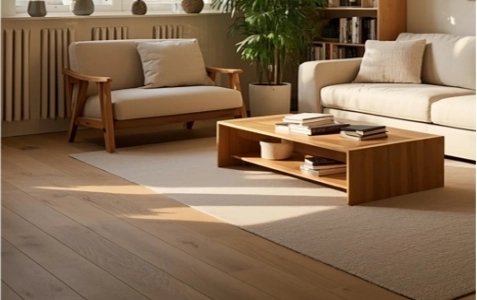
What Makes SPC Flooring Tick?
Think about this: You tear out worn carpet in your front room, hoping for that smooth wood look. Yet you need a material that handles leaks and marks easily. That’s where SPC flooring comes in. It stacks layers like a sandwich—a firm base from limestone dust and PVC, then a picture layer, a sturdy top coat, and a shine that blocks fades and spots. No sticky mess, no bad smells. Snap the pieces together, and that’s it.
Why focus on thickness? It comes down to how the base deals with pressure, crowds, and bumps. Slim boards bend easily, which suits calm areas but feels shaky in paths. Bulkier ones act like a steady base—firm, quiet, ready for anything. Most SPC comes in 4mm to 6.5mm sizes. But we stick to the common picks: 4mm, 5mm, and 6mm. They fit basements on a budget to fancy work spots.
Here’s a fast fact: A 2023 poll from the Flooring Manufacturers Association showed more than 70% of workers named thickness as the main thing for happy customers in SPC jobs. It’s real stuff. Nail it, and your floor sticks around 20-25 years with few issues.
Breaking Down the Thicknesses: 4mm, 5mm, and 6mm
Okay, let’s get specific. Each size has its own style. See 4mm as the quick runner—cheap and simple to lay. 5mm boosts it for regular tasks. And 6mm? That’s the tough guy for places with lots of action. We line them up, then check what fits different homes.
Quick Specs at a Glance
Check this basic chart to spot the differences. These figures come from usual tests, like those at SGS places, where they pound boards for toughness and wet strength.
| Feature | 4mm SPC | 5mm SPC | 6mm SPC |
| Core Density | High (around 1,800 kg/m³) | Higher (1,900 kg/m³) | Highest (2,000+ kg/m³) |
| Wear Layer Thickness | 0.3-0.5mm | 0.4-0.6mm | 0.5-0.7mm |
| Impact Resistance | Good (recovers from 5-7kg drops) | Better (8-10kg drops) | Excellent (10+kg drops) |
| Sound Reduction | Moderate (with underlay: 8-10dB) | Good (10-12dB) | Superior (12-15dB) |
| Price per sq ft | $2-3 | $3-4 | $4-5 |
| Best For | Low-traffic rooms | General home use | High-traffic or subfloor issues |
Info like this stems from drop checks—picture letting a 10-pound item fall from hip level and seeing the mark fade. Heavier boards bounce back quicker. That’s why builders pick them for rentals.
The 4mm Option: Light, Affordable, and Sneaky Capable
Go with this if you’re new to SPC. At 4mm, it stays light. It works great in a extra bedroom where folks just rest on weekends or kids build with blocks. The base remains tough—built from that calcium mix that makes SPC resist water like nothing. Drop a drink? Clean it up. No puffing up.
Hear about my pal’s setup: He covered his work room with 4mm SPC last year. Money was short. The base was flat. Footsteps? Hardly any. After two months, it looks new. No snaps or moves. But remember—if you live in a damp place like Florida, add a decent pad underneath to hush sounds. Skip that, and steps ring out like in a big hall. And for rough bases? Pass on it. Dips over 3/16-inch, and you notice the flex.
Good points? Easy to do yourself. The snaps hold firm with setups like Unilin. Plus, it’s not heavy to carry alone. Bad sides: In an entry, it could mark under boots after months. If your home gets more wear, move up.
Stepping Up to 5mm: The Everyday Sweet Spot
This one’s the reliable choice. 5mm SPC hits that just-right feel—not weak, not too much. Folks grab it for cooking areas, main rooms, or spots where daily stuff happens. That added bit thickens the base. So it takes office chairs or group games without trouble. The shiny top fights marks from claws or keys well.
Straight from a job site: A builder I chat with did a 2,000-square-foot house flip with 5mm pieces. Kitchens took the heat—leaks from meals, young ones dashing around. Six months later, through open houses and a new family, no gripes. The quiet? With an IXPE pad built in, it’s soft, like padding on clouds. Checks show it drops bang noise by 12dB. That’s key in big open homes.
It handles minor base flaws too—up to 1/4-inch changes—and goes down quick. No glue needed for floating style. Drawback? If cash is tight, it costs more than 4mm. But for most people? This size does the job. It stays steady in lower levels (water can’t touch it) and works with underfloor heat, sharing warmth without bends.
Going Thick with 6mm: Built for the Long Haul
Need a floor that takes hits? 6mm steps up. It stands out in damp lower spots, workout areas with clanging gear, or even small shop lounges. The packed base ignores big weights—say, 500-pound chairs no problem. And the top coat? Up to 0.7mm deep, rated for over 20,000 spins in a scratch test. That means it lasts past your loan.
I watched it work in a friend’s fixed-up shed turned hangout. The old slab had low spots; 6mm covered them flat. Tools fell? Almost no sign. It fights fire to B1 grade too—no bad fumes if needed. But not for all. It’s bulkier to move, and the start price stings for tiny baths.
Handy hint: In wet climates, this size locks it in with no swell worries. Mold? Won’t happen, thanks to germ-fighting layers. Just smooth the base first—waves over 5/16-inch, and even 6mm strains.
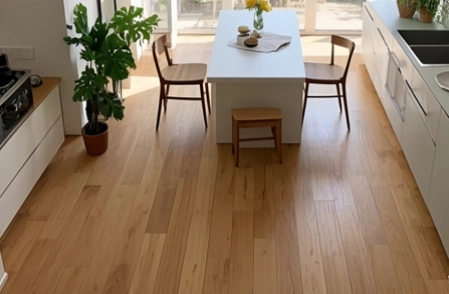
Key Factors to Nail Your Thickness Choice
Thickness doesn’t stand alone. It ties to your room’s details. Here’s how to pair it right.
Traffic and Use: How Hard Will It Get?
Calm reading corner? 4mm fits fine. Busy family spot with little kids and pets? 5mm or 6mm to skip marks. From a 2024 job summary: Homes with young children had 40% less fixes on 5mm or more versus slimmer. Workout rooms or desks? Stick to 6mm—hit strength rises 25%.
Subfloor Shenanigans: Level or Not?
Smooth like glass? Any size works. Lumpy from a bad pour? Bulkier helps. Target under 1/8-inch shift per foot; else, sand or level. 6mm overlooks the most, cutting tear-out costs.
Budget and Bang for Buck
At first: 4mm cuts $1-2 per foot. Over time? Heavier saves with no calls back. Add pad costs (EVA for hush, IXPE for soft) and gear. For 500 feet: 4mm near $1,200; 6mm $2,200. Does it pay? Look at your crowd level.
Climate and Install Vibes
Wet lower areas call for 6mm—fully sealed, no curves. Dry spots? 4mm okay. For snap setups, all go easy, but bulkier needs time to adjust (two days at normal heat). Warm floors? SPC takes up to 120°F no sweat.
Why Lanhe Stands Out as Your SPC Partner
One more bit before we close: Shoutout to a maker acing SPC: Shandong lanhe import and Export Co. , Ltd.. Out of Shandong in China, they’ve pumped out top SPC from the start, shipping to spots like the US, Europe, and more. Their plant runs smooth—auto machines blend fresh PVC and stone for bases that hold strong. Each piece gets checked: SGS for clean air (no VOCs), FloorScore for healthy rooms, and ISO9001 for steady quality.
What makes them different? They do custom batches in your pick size—4mm for fast turns, 6mm for heavy jobs—and lock systems like Valinge that grip tight. They’ve got pros: Artists fixing grain patterns, checkers pounding for marks, and sellers ready anytime. Green ways too—no bad metals, easy to reuse. Hunting solid SPC that lifts your room without headaches? Lanhe delivers. Their pieces aren’t just bases; they’re quiet, comfy floors that click right away.
Conclusion
Finding the right thickness for SPC flooring means knowing your room’s needs. 4mm keeps things basic and low-cost for relaxed areas. 5mm takes on daily wear smoothly. And 6mm? It handles rough spots like a boss. Check your crowds, base facts, and spending, and you’ll get a floor that fits perfect. Done well, SPC changes spaces without constant care. Set to upgrade? Check twice, select once, and see your floors last.
FAQs
Q: What’s the top right thickness for SPC flooring in a lively kitchen?
A: Kitchens with leaks and steps do well with 5mm. It gives firm hold and mark fight without high costs, taking on messes like fallen pans or animal runs.
Q: Does 4mm SPC flooring last in a lower level with damp?
A: Sure, if you add a moisture block pad. The sealed base beats wetness, but check your ground first to stop any bend in moist places.
Q: How’s 6mm SPC for quiet in multi-floor homes?
A: 6mm does great—its packed make plus extra IXPE cuts step sounds up to 15dB. Folks below won’t catch your early walks.
Q: Big cost rise for bulkier SPC like 6mm?
A: Figure $1 extra per foot over 4mm, but it returns in strength. For busy zones, that front money means less tweaks later.
Q: How to tell if my base wants 6mm SPC thickness?
A: If low spots top 1/4 inch or you cover old tiles, pick 6mm. It smooths flaws better, keeping the job even and steps steady.
