

If you’re sourcing SPC flooring for distribution or a project rollout, the “pretty part” is easy. The hard part is getting the commercial terms tight enough that your first container and your third container behave like the same program. That’s where spc flooring moq and the rest of the wholesale terms matter—because when a program goes sideways, it’s rarely one dramatic mistake. It’s usually a handful of small assumptions that never got written down.
This guide is written for buyers who need dependable supply, clear documentation, and fewer surprises after the PO. I’ll walk through MOQ, lead time, payment terms, packaging, and warranty the way procurement teams actually use them: as levers to control risk, cost, and schedule. For product context and current collections, you can reference our SPC flooring product page.
MOQ for wholesale SPC flooring
MOQ is not just “the minimum a supplier will take.” In SPC, MOQ is a practical reflection of how a factory schedules films, color runs, and packaging, and how much variation you’re introducing into the build.
What drives MOQ in real orders
Specification complexity is the first driver. Even when you keep the same basic product category, variations in surface appearance, edge style, and pattern format can change how a production plan is arranged. A straightforward plank program can often be consolidated; a mixed-format program (plank plus a pattern line) is typically harder to batch efficiently.
Number of designs per first order is the second driver. Many buyers think of MOQ as “per order.” Most suppliers think of MOQ as “per color / per design / per build definition.” When you spread a container across too many looks, MOQ pressure shows up fast, and the price can move in ways that don’t feel intuitive.
Private label vs. neutral packaging also affects MOQ. If you need custom carton artwork, barcode rules, and private-label markings, you’re asking the supplier to commit resources before mass production starts. That usually pushes the MOQ discussion earlier in the negotiation.
A realistic MOQ reference point
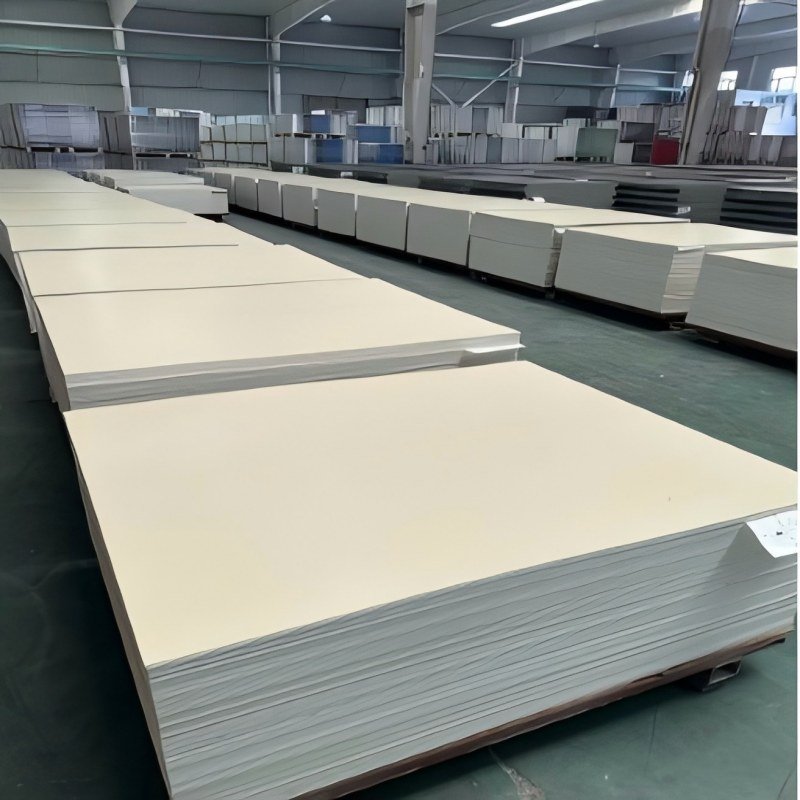
For many wholesale programs, a common starting point is 800 square meters per item line, which reflects a typical minimum order threshold used for multiple SPC offerings.
Some items may be available at smaller minimums—there are examples of 300 square meters on certain listings—usually tied to specific SKUs or ordering conditions.
Here’s the practical takeaway: the “right” MOQ is the one that keeps your program repeatable. If you’re launching a distributor assortment, it can be smarter to open with fewer designs at a clean MOQ, then widen the line once you’ve confirmed sell-through and reorder rhythm. If you’re bidding a one-off project, it can be smarter to narrow the build definition and protect lead time.
Buyer action
Start by deciding whether your first order is meant to prove a SKU plan or fulfill a single job. Then define how many designs you truly need in container one. Next, ask the supplier to quote MOQ by design and by build definition, not as a single blended number. Finally, put MOQ language into the PI so your replenishment orders don’t get renegotiated under pressure.
Lead time breakdown (sample → approval → production → inspection → loading)
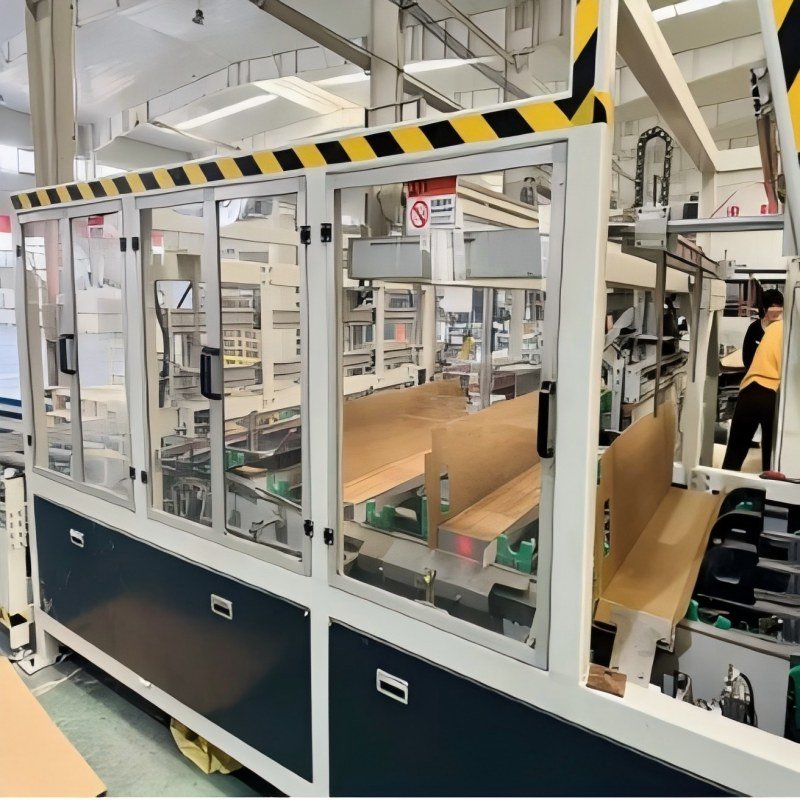
Buyers usually get better outcomes when they treat lead time as two tracks: a standard lead time for regular-series products, and a custom lead time for OEM or private label work.Most buyers don’t actually need the shortest lead time. They need a lead time that stays stable when the factory gets busy and when the port gets unpredictable.
The lead time you can plan around
A useful way to think about lead time is to separate it into five stages:
Sample stage. This includes color selection, physical sample shipment, and the “human time” it takes for your team to review and approve. In real life, this stage is where schedules quietly slip, especially when multiple stakeholders want to sign off.
Approval stage. If you’re private labeling, approval often includes carton text, label compliance, and sometimes a final sign-off sample. The biggest risk here isn’t delay—it’s mismatch. If the approval artifacts aren’t clearly version-controlled, the wrong carton file can move forward.
Production stage. For standard SPC flooring (regular series) with confirmed specs, a typical production window is about 15–21 days. For OEM/private label programs, custom cartons, or more complex design requirements, lead time can extend—plan on roughly 30–45 days depending on approvals, production scheduling, and inspection.
Your actual timeline can still move based on seasonality and how many design changes happen after sampling.
Inspection stage. Inspection isn’t just about defect rates. It’s about catching “shipping damage before shipping,” which is a real thing in flooring. Joint damage, corner protection, and carton strength matter as much as the plank itself when you’re shipping thousands of kilometers.
Loading stage. Loading is where packaging choices show up as a schedule factor. Palletized loading, mixed cartons, and photo documentation can add time, but they often save time later by preventing disputes.
Buyer action
Begin by setting a target shipment window rather than asking for “fast delivery” in general terms. Then lock your build definition before you send the deposit, because changes after the deposit are the most common cause of lead-time arguments. Next, agree on an inspection point and what “pass” looks like. Finally, require a simple pre-loading confirmation (carton markings, pallet condition, and container photos) so the receiving side isn’t guessing what happened in transit.
Payment terms buyers typically use
Payment terms are not about being strict or flexible. They’re about balancing cash flow with performance risk, on both sides.
Common payment structures in SPC wholesale
Many SPC suppliers support T/T and L/C, and may offer negotiable structures depending on order profile. The key is to treat payment terms as part of a wider agreement that includes specification control, inspection, and claim handling.
A straightforward approach is a deposit to start production and a balance tied to shipment milestones. A more controlled approach is to tie a portion of payment to inspection approval and document release. Either way, the leverage point is not the percentage—it’s the clarity of what triggers each step.
Risk points buyers often miss
The first missed detail is currency and banking timing. A deposit “today” can turn into a deposit “next week” if a buyer’s internal approval chain is slow. That’s not just finance—it’s lead-time risk.
The second missed detail is document expectations. Buyers sometimes assume which documents will be provided with the shipment, while suppliers assume the buyer will ask for them. Misalignment here can delay customs clearance and create avoidable storage costs.
Buyer action
Decide upfront how you want to tie payment to measurable milestones: sample approval, production start, inspection release, or shipping document release. Then write those triggers into the PI in plain language so there’s no room for interpretation. Next, align payment terms with your reorder strategy—repeat programs can support different structures than one-time projects. Finally, confirm which documents are included and when they’ll be issued, so your receiving team is not scrambling at the port.
Packaging options & what changes lead time
In flooring, packaging is not decoration. It’s protection, identification, and a big part of claims prevention.
What a typical export pack can include
A standard export approach commonly includes cartons with inner protection and palletized loading. In Lanhe’s SPC documentation, packaging is described as 8, 10, or 15 pcs per carton, with plastic bags and pallets used for protection and handling. That matters because it sets a baseline for how product is counted, how cartons are handled, and how you reconcile receiving quantities.
What changes lead time
The two big lead-time levers are carton customization and pallet/loading requirements. Neutral cartons are faster to execute. Private-label cartons can be perfectly manageable, but they require approvals, and they require discipline—especially around revision control. Pallet marking rules, mixed-SKU pallets, and photo documentation may add steps, yet they often reduce downstream friction.
For an importer, a simple “photo proof before sealing the container” can be the difference between a clean receiving report and a month-long argument about what was loaded.
For more product context as you define packaging, you can cross-check the collection visuals and formats in the SPC flooring collection.
Buyer action
Start by choosing whether neutral packaging is acceptable for the first shipment; it often speeds up launch. Next, if you need private label cartons, approve carton text and markings early and keep a single owner for revision control. Then specify pallet requirements and whether mixed-SKU pallets are allowed. Finally, ask for pre-loading photos that show carton markings, pallet condition, and container layout so your warehouse team has a reference point.
Warranty scope & exclusions
Buyers ask about warranty because they’re trying to forecast risk. But warranty only has value if it’s operational: clear coverage language, clear exclusions, and a workable claims process.
A realistic warranty structure
Lanhe’s SPC documentation references 25 years residential warranty and 15 years commercial warranty for certain SPC programs. In practice, the warranty is only as strong as the clarity around use conditions and maintenance assumptions.
What warranty typically covers—and what it usually doesn’t
Residential warranty tends to assume controlled traffic, controlled maintenance, and reasonably stable indoor conditions. Commercial warranty tends to assume heavier traffic but also expects more disciplined maintenance. The most common exclusions in flooring warranties—across the industry—are not “gotchas.” They’re the predictable failure modes: poor subfloor prep, inadequate expansion space, standing water exposure beyond intended limits, improper cleaning chemicals, and installation practices that damage joints.
Instead of debating warranty length, serious buyers focus on warranty alignment: does the carton language match the PI language, and does the PI language match what the customer expects in that market?
Buyer action
Match warranty type to end use—residential and commercial are different risk environments. Then request the exact warranty statement that will apply to your order, not a generic promise. Next, align warranty language across cartons, invoices, and product sheets so you don’t create conflicting claims in the market. Finally, train your channel partners on the top exclusions, because many claims start with an installer assumption, not a factory defect.
Claims handling workflow
Claims handling is where long-term supplier relationships are made or broken. The goal is not to “win” the claim. The goal is to diagnose the root cause quickly, keep the customer calm, and prevent the next claim.
What a workable claim looks like
A workable claim has three components: traceability, evidence, and timeline.
Traceability means you can tie the claim to a batch or shipment using carton information and shipping documents. If cartons are mixed or markings are unclear, claims become opinion-based.
Evidence means clear photos and context. The best evidence set includes wide shots that show the pattern, close-ups that show the joint or surface condition, and at least one photo that demonstrates the perimeter condition and subfloor reality. The point is not to blame an installer—it’s to avoid guessing.
Timeline means both sides agree on response windows. When a buyer expects same-day resolution and a supplier expects “next month,” the relationship suffers even if the product is fine.
How packaging ties directly to claims
This is where packaging and inspection become more than logistics. If you can demonstrate cartons were intact at loading, and pallets were properly protected, you reduce disputes about transit damage. If cartons arrive crushed and there’s no documentation, the conversation becomes emotional. That’s not good for anyone’s business.
Buyer action
Decide in advance what evidence your field team must collect when something looks wrong, and make that routine before the first claim happens. Then maintain traceability by keeping carton labels, batch references, and shipping documents organized by project or customer. Next, agree with your supplier on response timing and escalation paths. Finally, treat every claim as a feedback loop: adjust packaging, inspection points, and spec clarity so the same issue doesn’t repeat.
Wholesale RFQ checklist
A strong RFQ does something simple: it removes ambiguity before money is on the table. It also makes quotes comparable between suppliers.
What needs to be in an RFQ to avoid re-quoting later
A usable RFQ includes destination market, volume in square meters, target shipment window, and preferred trade term. It also includes a build definition, but not as a technical essay—just the practical identifiers that determine price and repeatability. It should include how many designs you want in the first batch, whether you need private label packaging, and what documents you require for import and selling.
If you want a fast quote that stays stable, don’t send a screenshot and ask “how much.” Send an RFQ that makes it hard to misunderstand you.
For buyers new to the category, it can help to begin at the Lanhe Flooring home page to confirm product scope and what programs are a fit before locking the RFQ.
Buyer action
Write your RFQ as if it will be forwarded internally to a production team—because it will be. Then include a target shipment window and the number of designs you want in the first batch so the supplier can plan realistically. Next, state packaging requirements clearly, including whether private-label cartons are needed. Finally, request an RFQ template by email and reuse it across suppliers so your comparisons stay fair; you can reach the team at info@lanheflooring.cn.
About Shandong Lanhe Import and Export Co., Ltd.
Shandong Lanhe Import and Export Co., Ltd. operates from Jinan, Shandong, China, and supports international buyers with a production-and-export model backed by a structured quality management approach. For procurement teams, that matters in everyday ways: stable output, clearer handoffs from specification to production, and fewer gaps between the approved sample and the shipment you receive.
If you’d like a brief company overview and how the team works with overseas distributors and project buyers, visit the About Shandong Lanhe Import and Export Co., Ltd. page.
Conclusion
Wholesale SPC sourcing gets easier when you stop treating terms like a formality and start treating them like a control system. MOQ shapes how repeatable your assortment can be. Lead time is a chain, not a single number. Payment terms only work when they’re tied to clear milestones. Packaging is part of quality, not a side detail. Warranty is only meaningful when claims are handled with traceability and evidence. Put those pieces together, and your SPC program becomes predictable—which is what your customers, your warehouse team, and your cash flow all want at the same time.
FAQs
What is a typical spc flooring moq for wholesale orders?
A common starting point in many wholesale programs is 800 square meters per item line, with some cases showing lower minimums such as 300 square meters depending on the SKU and ordering conditions. The practical approach is to confirm MOQ by design and by build definition, especially if you’re launching multiple looks in the first container.
What affects spc flooring lead time the most after I place an order?
For standard SPC flooring (regular series) with confirmed specs, production is often about 15–21 days. For OEM/private label orders, custom packaging, or more complex design work, lead time can run longer—typically around 30–45 days—and the most common delays come from late approvals or spec changes after sampling. If you want stable lead time, lock specifications and carton files before deposit and align on an inspection point.
Which spc payment terms are commonly used in B2B transactions?
Commonly used terms include T/T and L/C, with details sometimes negotiated based on order size and cooperation model. Buyers typically get better outcomes when payment milestones are clearly tied to measurable steps like inspection release or shipping document release.
What should I confirm for spc flooring packaging on export shipments?
Confirm carton count per carton and protection method, whether pallets are required, and whether you need neutral cartons or private label cartons. Lanhe’s SPC documentation describes carton packing options (such as 8/10/15 pcs per carton) and the use of plastic bags and pallets. If you want fewer disputes, ask for pre-loading photos showing carton markings and pallet condition.
How does spc warranty work for residential vs. commercial use?
Warranty scope should match the actual end use, and it must be consistent across cartons, invoices, and product documents. Lanhe’s SPC documentation references 25 years residential warranty and 15 years commercial warranty for certain programs. To make warranty enforceable, buyers should align on exclusions, maintenance assumptions, and a clear claims evidence checklist before shipment.
