

Laminate flooring is one of the most popular types of flooring for homes, offices, retails spaces and other commercial projects. It is cost-effective, long-lasting and available in a huge array of different designs. A common question that homeowners, distributors and project contractors ask is how long laminate flooring lasts.
Typically high-quality laminate flooring lasts from 15 up to 25 years and even longer for commercial, top-quality products. However, there are many factors that can affect the lifespan of a laminate floor. The raw materials, the production, the wear layer, the installation and the maintenance as well as the environment all play a significant role for the lifespan of a laminate floor in terms of looks and stability.
For importers and flooring buyers alike it is important to understand the factors mentioned above when selecting a supplier of laminate flooring. A well-made floor will save you money in the long run, ensure customer satisfaction and increase the value of your projects.
This guide looks at key factors to the lifespan of laminate flooring, compares performance grades and includes tips on extending the life of flooring for homeowners and commercial buyers alike.
What Determines the Average Lifespan of Laminate Flooring?
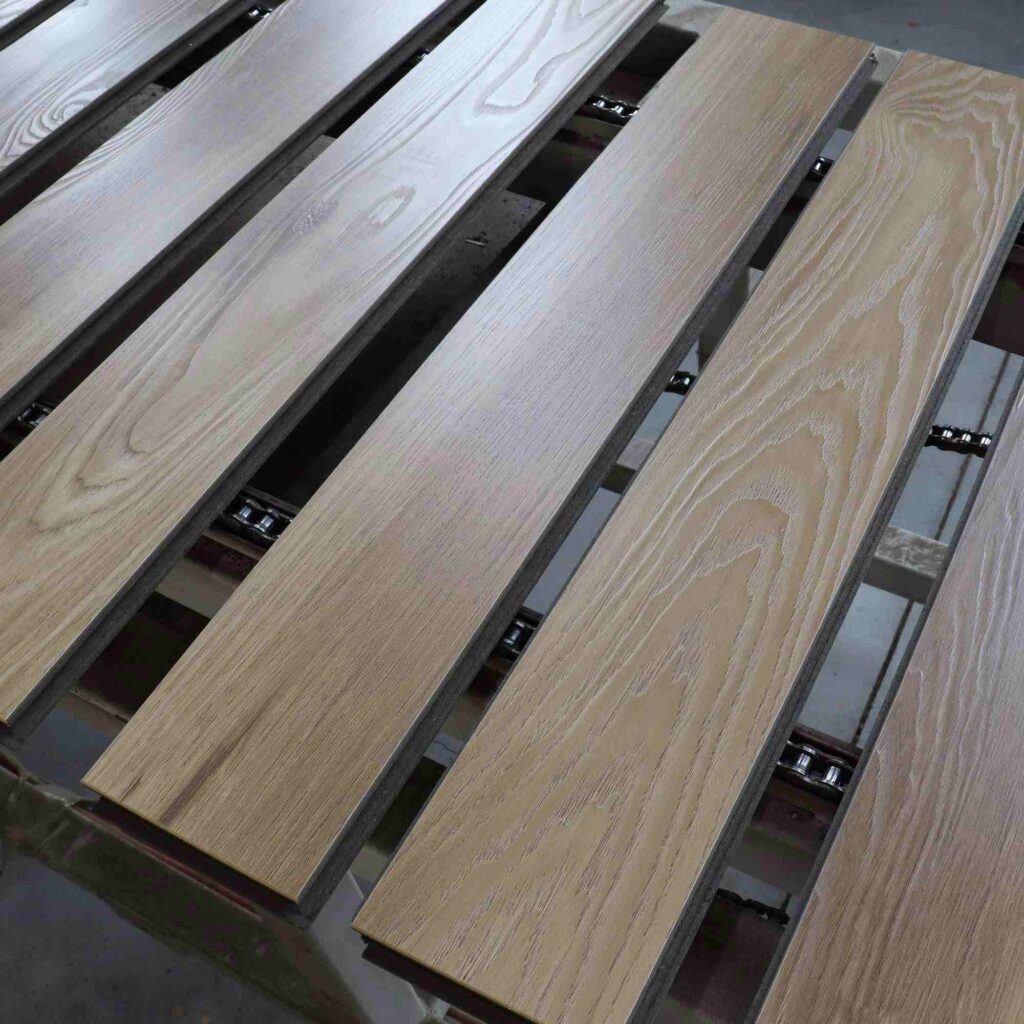
The lifespan of laminate flooring depends on several factors including the type of laminate, the production process, the way it has been installed and the environment where it is used. Laminate flooring is also known as diamond board or composite wood flooring. The generic term for laminate flooring is impregnated paper laminated wood flooring which consists of hardboard or medium-density fiberboard core and a layer of impregnated paper film as the veneer. The surface of laminate flooring is coated with wear-resistant materials including melamine and aluminum oxide. The engineered construction of laminate flooring provides a great combination of durability, design options and affordability.
Material Composition and Manufacturing Quality
The structure of a laminate floor is a key factor in its service life. The four main layers of a laminate floor consist of a wear-resistant layer, a decorative layer, a base material layer and a balance layer. The wear-resistant layer is the top-most layer and is composed of aluminum oxide, which is a very hard material that provides excellent scratch resistance. The decorative layer is made up of melamine resin–impregnated paper, which bears the wood or stone-like pattern of the floor. The core layer is composed of high-density fiberboard (HDF) or medium-density fiberboard (MDF), which provides dimensional stability to the floor. The back of the floor is covered with a balance layer that prevents deformation caused by excessive moisture or extreme temperature variations.
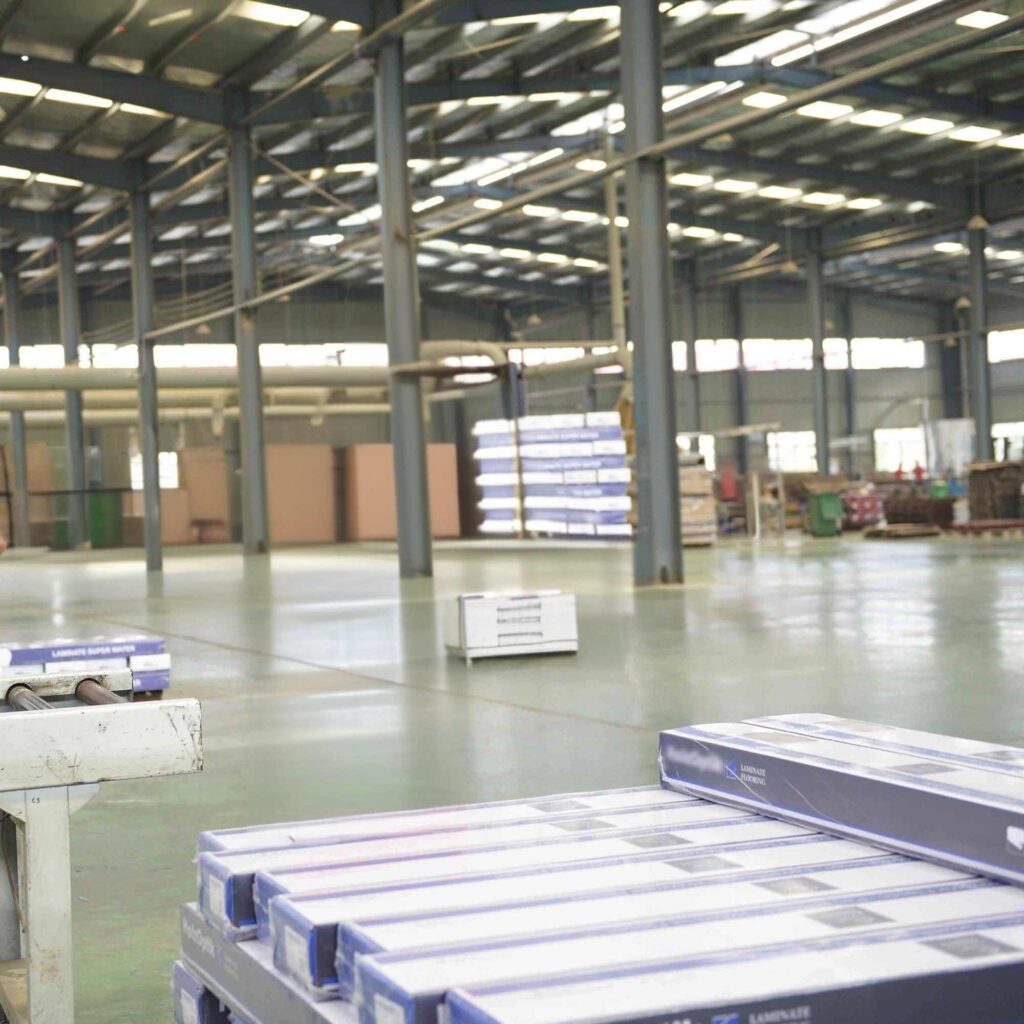
High-pressure laminate (HPL) is typically longer lasting than direct-pressure laminate (DPL) because HPL is manufactured using greater pressure and thus produces higher density uniformity than DPL. The core density of HDF materials such as those featured on this website is critical to swell resistance when exposed to humidity. Higher core density around 720–1000 kg/m³ is generally recommended. Quality controlled factories such as Shandong Lanhe Import and Export Co., Ltd utilize very advanced automated machines that enable superior quality control for each individual plank and as a result the entire batch will have superior strength and durability that will last longer.
Installation Conditions and Techniques
Proper floor installation is key to the long-lasting performance of your flooring. A well-prepared, clean and even subfloor is essential to prevent uneven stress points in the flooring that can cause it to crack or lead to the separation of joints. The use of a high quality underlayment will also provide the floor with the necessary cushioning and sound reduction, while also preventing moisture from sub floor areas from rising into the flooring. Also, the floor will perform better when locked properly by a professional installer, whether it is using Unilin click system or Valinge click system. The locking system at the edge of the flooring must also be locked properly to prevent chipping or lifting of the flooring’s edge under heavy loads.
Environmental Factors and Usage Intensity
Laminate flooring is dependent on environmental stability for longevity. Flooring in environments with high humidity will undergo expansion and contraction. The biggest area of wear on a floor will be high traffic areas, such as hallways and commercial environments, even with the highest Abrasion Class rating. Decorative layer of flooring can also fade when exposed to sunlight. In high exposure to sunlight interiors, the use of UV-protective clear coatings is highly recommended.
How Does Maintenance Influence Flooring Longevity?
Even premium laminate products require continued maintenance to preserve their protective properties over many decades of use.
Routine Cleaning Practices
Dust from abrasive materials in flooring can be removed with dry sweeping or vacuuming to prevent dulling of the floor finish. Mopping of laminate floors with water and a laminate floor cleaning solution will preserve the top layer of coating on your flooring without leaking into the seams of the flooring. Excess moisture should be avoided as it can penetrate between the flooring core and the seams and cause the core to swell even though laminate flooring is resistant to moisture.
Preventive Measures for Damage Reduction
Extended flooring life through effective preventive maintenance. Felt furniture glides prevent deep scratch marks from heavy furniture. Aggressive entry matting removes abrasive grit before it can scratch interior flooring surfaces. Periodic inspections for minor anomalies such as a raised edge or separated joint allows for time to repair before becoming major structural problems that require complete replacement.
Can Installation Environment Affect Durability?
Whether or not laminate maintains its original dimensions after installation is largely dependent on the environmental conditions present at the time of installation.
Temperature and Humidity Control
Indoor humidity between 35% and 65% is recommended as this reduces the pressure on the interlocking joints by limiting the number of expansion and contraction events. Acclimatising flooring products in the room where they are to be installed allows the product to equalise its internal moisture content with the ambient moisture content in the room. This helps to prevent post-installation buckling.
Subfloor Compatibility and Moisture Protection
Vapor Barrier – When installing flooring over a concrete sub floor it is recommended to install a vapor barrier to prevent moisture rising through the concrete and damaging the HDF core of the flooring. When installing flooring over wooden sub floors these must be dry, level and sound to ensure that the flooring locks together correctly and does not deflect under foot.
How Do Product Grades from Flooring Factories Differ in Performance?
Not all laminate floors are created equal. The differences are in the manufacturing technology, used raw materials and the quality control on site.
Variations in Abrasion Class (AC) Ratings
Abrasion Class (AC) ratings range from AC1 to AC5. AC3-rated products fit moderate residential applications like bedrooms or living rooms, while AC4–AC5 options handle heavy residential or commercial environments such as offices or retail stores. Higher AC ratings correspond with thicker wear layers that resist abrasion longer under frequent use.
Influence of Factory Technology on Product Quality
Shandong Lanhe Import and Export Co., Ltd. is utilizing fully automated production lines which ensure that the thickness of each plank is calibrated to exact specifications to guarantee the highest density distribution. High end pressing systems within the factory also guarantee consistent density throughout all of the planks. The embossing on the surface of the flooring is of the highest quality, precisely replicating the look and feel of real wood while also guaranteeing maximum traction, guaranteeing that the flooring will look great and last for a long time.
Why Choose Shandong Lanhe Import and Export Co., Ltd as Your Laminate Flooring Supplier?
Shandong Lanhe stands out from the global suppliers with integrated research-to-export system, focus on reliability and innovation.
Company Overview and Expertise
Shandong lanahe import and Export Co., Ltd. is a production, export as one of the enterprises, with a complete and scientific quality management system. With advanced automated equipment covering from raw material purchasing to production process and product inspection before shipment, it exports products to Europe, Australia, North America and Southeast Asia markets in the world.
Commitment to Innovation and Customer Satisfaction
Lanhe Flooring continuously invests in the latest manufacturing technologies to maintain a competitive edge in precision engineering as well as environmental issues. At Lanhe Flooring, we provide our customers with high quality flooring products, innovative designs and a first class service. In addition, our support teams for flooring are always available to assist our distributors with any technical questions regarding the appropriate floor laying method for different climates and regions. The floor laying method is adapted in detail to guarantee optimum results for the customer in the long term.
What Are Practical Ways to Extend the Life of Laminate Flooring?
While the quality of a product that comes off a production line will give an indication of the potential durability of that product, it is the user of that product that will determine the long term durability of that product.
Regular Inspection and Timely Repairs
Damaged boards must immediately be replaced in order to prevent water from penetrating into areas beneath the panels and damaging adjacent panels. Using approved joint sealants can also add to water resistance particularly around sinks and entrances where spills are more frequent. This is especially important in kitchens that use waterproof HDF cores such as some of the E1-certified collections offered by Lanhe.
Environmental Adaptation Strategies
Blinds will protect decorative surfaces from fading caused by long-term UV exposure. By maintaining the indoor temperature blinds will prevent excessive pressure caused by thermal expansion on locking seams keeping them tight for years to come.
Conclusion: Maximizing Value Through Proper Selection and Care
Using a high-quality laminate floor from a reputable supplier, combined with a good quality installation, will ensure that you can continue to enjoy your floor for a number of years. High quality laminate flooring contain durable materials, such as aluminum oxide wear layers, that can be protected with proper maintenance to ensure that the floor retains its beauty for 15-25 years, depending upon the ‘hardness’ of the usage. With laminate flooring providing a cost effective solution for interior flooring in residential and commercial environments, it is clearly a long term cost effective solution that continues to look good for years to come.
FAQs About Laminate Flooring Lifespan
1. How long does laminate flooring typically last?
High-quality laminate flooring will last between 15 and 25 years. Depending on use, maintenance and the environment.
2. Can laminate flooring be refinished like hardwood?
No, because printed surface is not the same as solid wood veneer – it can’t be refinished when it wears out. Affected boards must be replaced.
3. Does humidity affect laminate flooring lifespan?
Yes; excessive humidity can cause core fibers to swell or buckle unless controlled by appropriate room conditioning strategies.
4. What’s the difference between AC3, AC4, and AC5 ratings?
This measures the abrasion resistance of the paint and as a general rule an AC3 grade would be used for light residential areas, whereas AC4 – AC5 grade paint is used for very heavy wear areas requiring maximum scratch resistance.
5. How can I tell if my laminate floor needs replacement?
Look for signs of warping at joints, delamination at edges, persistent squeaking when walking on the floor due to movement of the subfloor, and fading that cannot be fixed up. These indicate that replacement of the floor will provide the best solution to return the floor to both original functionality and appearance.
