

Wear layer thickness remains one of the most frequently compared specifications when purchasers source SPC flooring. Standard options such as 0.3mm, 0.5mm, and 0.7mm are widely applied across various residential and commercial flooring programs.
However, picking the appropriate number represents just a fraction of the buying process. Manufacturers must also maintain the specified construction consistently throughout mass production. For importers, distributors, project contractors, and private-label flooring brands, strict wear layer control must therefore be integrated into both product specifications and quality inspection routines.
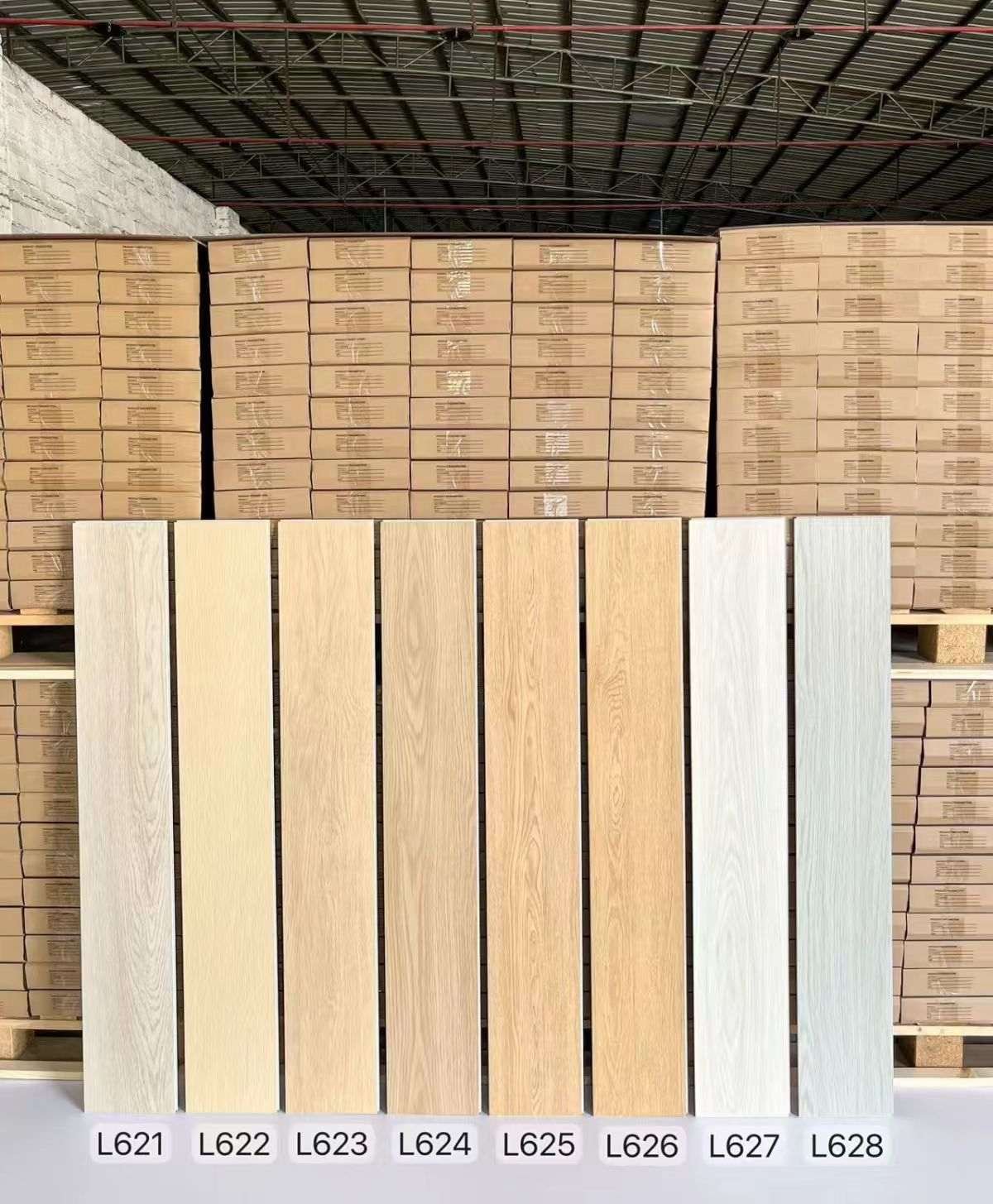
What Is the Wear Layer in SPC Flooring?
SPC flooring incorporates several highly functional layers.
A standard structure typically features:
Wear layer
Decorative film
SPC rigid core
Optional IXPE, EVA, or cork underlay
The wear layer acts as a transparent protective shield. It is positioned directly above the decorative film.
What Does the Wear Layer Do?
Its primary function involves protecting the printed décor from surface wear caused by:
Foot traffic
Dust and grit
Furniture movement
Routine cleaning
Daily abrasion
An adequate wear layer effectively helps the decorative surface retain its original appearance throughout its lifespan.
Is the Wear Layer the Same as the UV Coating?
No.
The UV coating constitutes a separate component of the surface system. It actively influences stain resistance, surface finish, gloss consistency, and scratch performance.
The wear layer delivers robust physical protection above the décor. Meanwhile, the UV coating functions as a supplementary surface treatment.
Buyers must therefore assess the entire surface construction. They should avoid judging SPC flooring solely by its wear layer thickness.
How Should Wear Layer Thickness Be Specified Before Production?
Effective wear layer control begins with an extremely clear purchase specification.
Vague terms like “commercial SPC flooring” or “heavy-duty flooring” simply lack the precision required for accurate production.
Which Wear Layer Options Are Common?
Lanhe SPC flooring is readily available with:
0.3mm
0.5mm
0.55mm
0.70mm
These specific options pair well with various flooring thicknesses, intended applications, and specific market positioning.
The exact value must consistently appear on the quotation, the approved sample, the purchase order, the technical sheet, the packaging requirements, and all inspection documents.
Why Should the Approved Sample Match the Specification?
A physical sample might look perfectly fine even if its complete construction lacks proper documentation.
Prior to mass production, buyers must firmly confirm:
Total plank thickness
Wear layer thickness
Décor
Surface texture
Click system
Edge profile
Underlay
Plank size
Packaging
This thorough verification ensures that both the production department and the buyer focus entirely on the exact same target product.
How Do Manufacturers Control Wear Layer Thickness During SPC Production?
Wear layer control is deeply integrated into the broader SPC manufacturing process.
The entire flooring structure must stay highly stable during extrusion, lamination or calendering, cooling, surface treatment, cutting, and final finishing.
Why Is Material Preparation Important?
Before production officially commences, the factory must verify that the exact wear layer material is prepared for the specific order.
This step becomes crucial when multiple specifications, such as 0.3mm, 0.5mm, and 0.7mm, run simultaneously within the same factory facility.
Detailed production records significantly lower the risk of any material mix-ups.
Why Does Production Stability Matter?
The wear layer never functions entirely independently from the remainder of the plank.
Factors like temperature, pressure, line speed, cooling conditions, and overall thickness control can drastically alter the finished flooring.
Factories must therefore rigorously inspect both the requested wear layer specification and the total plank construction throughout the production cycle.
What Is the Difference Between 0.3mm, 0.5mm, and 0.7mm Wear Layers?
No single wear layer thickness serves perfectly for every single flooring project.
The optimal choice relies heavily on traffic level, allocated budget, product positioning, and the intended application.
When Is 0.3mm Wear Layer Suitable?
A 0.3mm wear layer is typically chosen for residential or lighter-use flooring programs.
It works exceptionally well where the flooring avoids the continuous foot traffic found in busy commercial environments.
For distributors, it also effectively supports more price-sensitive residential product lines.
When Should Buyers Choose 0.5mm?
A 0.5mm wear layer is frequently selected for products placed comfortably between residential and moderate commercial use.
It delivers a substantially stronger specification for applications such as:
Apartments
Offices
Rental properties
Small retail spaces
General commercial interiors
For numerous distributors, the 0.5mm option strikes a highly practical balance between strategic product positioning and overall cost.
When Is 0.7mm More Appropriate?
A 0.7mm wear layer is generally reserved for flooring aimed at heavier traffic or notably more demanding commercial programs.
It fits perfectly for projects where the flooring endures frequent foot traffic and rigorous cleaning routines.
However, buyers must avoid automatically selecting the thickest wear layer available. A 0.7mm specification often adds unnecessary expense for simple light residential applications.
Why Can Two SPC Floors With the Same Wear Layer Perform Differently?
Wear layer thickness represents merely a single specification.
Two separate products featuring a 0.5mm wear layer can still vary dramatically in their overall quality.
What Other Specifications Affect SPC Flooring?
Buyers must also carefully evaluate:
Total plank thickness
Surface finish
UV coating
Flatness
Click-lock accuracy
Dimensional stability
Underlay
Décor consistency
Lanhe SPC flooring is currently offered in 4mm, 5mm, 6mm, 7mm, and 8mm plank thicknesses. It comes equipped with reliable Unilin or Valinge locking systems.
Available surface options feature BP embossed, line embossed, wood grain, EIR, coral texture, and lychee texture.
Why Does Click Accuracy Matter?
Even an outstanding wear layer fails to compensate for poorly milled locking edges.
Precise click profiles ensure flooring boards connect flawlessly during installation. They actively prevent common problems like uneven joints or weak connections.
This critical factor explains exactly why B2B buyers must meticulously evaluate the complete flooring structure.
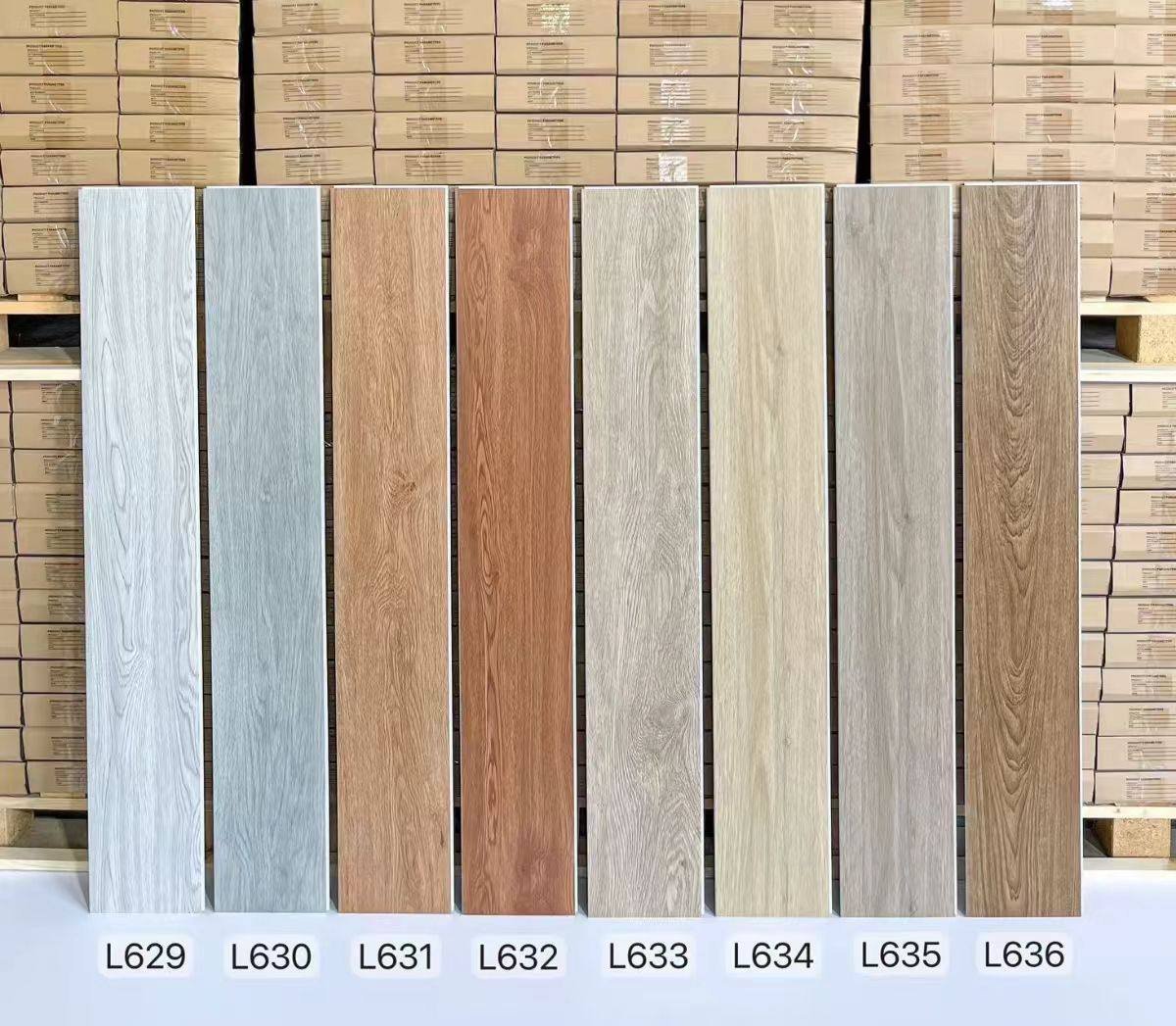
How Should Buyers Inspect Wear Layer Consistency Before Shipment?
Random inspections must be conducted on boards pulled from various cartons and different production sections.
What Should Be Included in Final Inspection?
Essential checkpoints include:
Wear layer specification
Total thickness
Plank dimensions
Surface quality
Color consistency
Flatness
Click-lock fitting
Edge condition
Packaging
For specific projects demanding a strict tolerance, buyers must establish the measurement method and acceptance criteria well before production begins.
This proactive approach proves far more reliable than debating tolerance issues after the shipment is already completed.
How Should B2B Buyers Choose the Right Wear Layer?
The selection process must start directly with the actual flooring application in mind.
A distributor might purposefully utilize several different wear layer options across their diverse product collections.
How Can Buyers Build Different Product Tiers?
A highly practical structure might look like this:
Residential or light-use flooring:
0.3mm wear layer.
Residential and moderate commercial flooring:
0.5mm wear layer.
Higher-traffic commercial programs:
0.55mm or 0.70mm wear layer.
Buyers must also carefully review local standards, target pricing, expected traffic levels, warranty positioning, and specific maintenance conditions before finalizing the specification.
Why Choose Shandong Lanhe Import and Export Co., Ltd. for SPC Flooring?
Shandong Lanhe Import and Export Co., Ltd. proudly supplies premium SPC flooring for residential, commercial, OEM, and wholesale flooring programs.
The available wear layer options cover 0.3mm, 0.5mm, 0.55mm, and 0.70mm. Buyers can easily select various plank thicknesses, stunning wood-grain or marble designs, secure Unilin or Valinge click systems, diverse surface textures, and comfortable IXPE, EVA, or cork underlay options.
This broad specification flexibility empowers distributors and project buyers to effectively develop tailored SPC collections for distinctly different market segments.
Conclusion: How Should Wear Layer Thickness Be Controlled?
SPC wear layer thickness must be handled strictly as a core production specification rather than just a flashy marketing number.
Buyers must choose the thickness based on the specific application. They should record it explicitly in the purchase documents, approve the exact sample, and thoroughly verify the specification during bulk inspection.
A thicker wear layer does not automatically represent the best option. The superior approach involves combining the proper wear layer with a highly stable SPC core construction, quality surface treatment, precise click milling, and consistently strict factory quality control.
FAQs
1. Is 0.5mm SPC Wear Layer Suitable for Commercial Flooring?
It serves perfectly for numerous moderate commercial applications. Success depends heavily on the actual traffic level and the complete flooring specification.
2. Is 0.7mm SPC Flooring Always Better Than 0.5mm?
No. A 0.7mm wear layer certainly suits heavier-use projects well. However, it often proves entirely unnecessary for basic lighter residential applications.
3. What Should Buyers Inspect Besides Wear Layer Thickness?
Buyers must also rigorously check total plank thickness, overall surface quality, flatness, precise dimensions, click-lock accuracy, color consistency, proper underlay, and secure packaging.
