

For importers, distributors, and flooring brands, SPC flooring quality inspection acts as the last opportunity to find faults prior to shipping. Tiny issues with sizes, click profiles, surface finish, color matching, or packing often turn into expensive claims once the goods arrive. A well-planned pre-shipment inspection evaluates the completed items against the confirmed sample. It also checks them against the purchase order and technical details. This 12-point checklist highlights the most vital factory checks to perform before loading the containers.
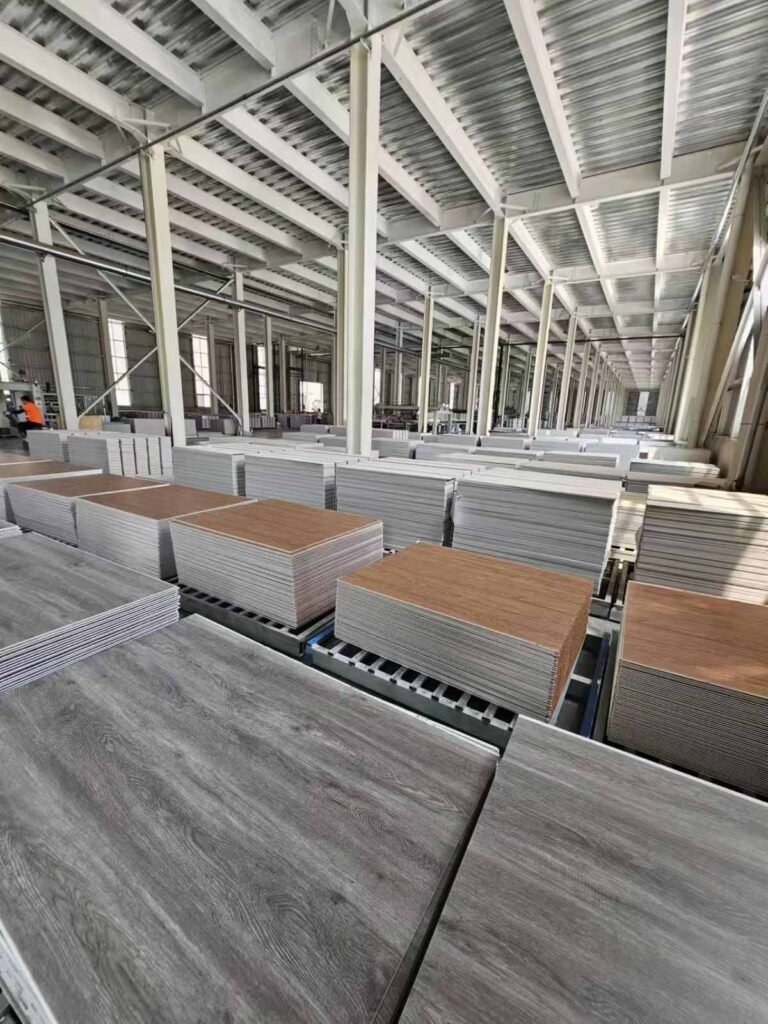
Why Should SPC Flooring Be Inspected Before Container Loading?
SPC flooring integrates a UV coating, a wear layer, and a decorative film. It also features a rigid core, a click system, and an optional IXPE or EVA backing. A flaw in any single component can ruin the visual appeal. Furthermore, it might impact the installation process, overall stability, or long-term durability. Because of this, the final inspection must evaluate both single planks and fully assembled flooring sections.
A solid inspection strategy also generates helpful shipment records. Detailed measurements, clear photos, and exact labels provide a paper trail. Retained samples also make it much easier to link any future problems back to the specific production batch.
What 12 Factory Tests Should Be Completed Before Container Loading?
Acceptance boundaries must align with the purchase order and the approved sample. They should also match any relevant industry standard and the agreed inspection plan. These 12 steps build a highly practical framework. This guide works well for importers, wholesalers, flooring brands, and large project buyers.
Tests 1–4: Appearance, Dimensions, Squareness, and Click Fit
1. Visual appearance inspection. Pick sample cartons from various spots on the pallets. Look closely for scratches, dents, or dirty stains. You should also watch out for printing flaws, gloss shifts, damaged edges, and strange color variations.
2. Length, width, and thickness measurement. Utilize calibrated instruments to verify the exact dimensions. Compare the total thickness against your approved specification. Always measure boards from multiple cartons instead of trusting just a single sample.
3. Squareness and edge-profile check. Confirm that the edges are perfectly straight. Inspect the corners, bevels, and overall milling consistency. Bad machining often leads to ugly gaps. It can also cause frustrating misalignment during the installation process.
4. Click-lock assembly test. Connect random planks taken from several different cartons. The locking profile must join smoothly and hold securely. It should not require extreme force to snap together. In addition, avoid accepting abnormal gaps or joints that separate too easily.
Tests 5–8: Wear Layer, Surface, Core, and Stability
These particular checks concentrate on the functional layers and the rigid structure. These elements directly impact the visual appeal and toughness of the product. They also determine the long-term performance of the SPC flooring.
5. Wear-layer verification. Validate the requested wear-layer specification using the agreed factory measurement method. This step proves especially vital when the factory produces multiple SKUs or different flooring grades at the same time.
6. Surface and UV-coating inspection. Examine the surface embossing and check the EIR alignment if applicable. Assess the gloss level, physical texture, stain resistance, and overall uniformity. Include specific abrasion checks if your chosen inspection standard requires them.
7. Core and board integrity check. Look closely at the cut edges and a few random boards. Search for tiny cracks, empty voids, or signs of delamination. You must also identify any brittle zones or clear material inconsistencies.
8. Dimensional-stability test. If your contract requires it, expose the sampled planks to specific temperature conditions. After that, measure the pieces to detect any shrinkage or expansion. Watch carefully for curling or warping issues.
Tests 9–12: Water, Underlay, Trial Installation, and Packaging
The final group of checks targets hidden issues. These problems might not become clear until the flooring is actually installed. They could also remain unnoticed until the shipment finally arrives at the buyer’s warehouse.
9. Water-exposure check. SPC flooring utilizes a waterproof rigid core. However, you should still evaluate the finished planks for proper edge behavior and strong layer bonding. Look for any visible changes after completing the agreed water exposure procedure.
10. Attached-underlay inspection. For SPC flooring equipped with an IXPE or EVA backing, confirm the exact backing type and thickness. Next, inspect the pad alignment and the glue bonding. Search for trapped air bubbles, missing foam patches, and torn edges.
11. Random trial installation. Put together boards from varying cartons to form a larger floor area. This practical test can expose cumulative problems. These issues often involve tight click fit, uneven edge height, or noticeable gaps. It also highlights poor pattern consistency and bad flatness.
12. Packaging and pre-loading inspection. Verify the SKU, the color code, and the total quantity. Check the carton markings, the pallet condition, the corner guards, and the moisture protection layers. Inspect the shipping container for cleanliness and visible damage. Finally, take clear photographs of the loading conditions.
How Should Buyers Document the Inspection Results?
An inspection provides much more value when you can trace every result directly back to the shipment. Buyers need to request a clear, concise report. This document must link the gathered samples, measurements, and photos to specific production batches or carton codes. It should do the same for any detected defects.
What Should a Pre-Shipment Inspection Record Include?
Write down the PO number, the SKU, and the exact product specification. You must also record the inspected quantity, the sampling method, the date, and the final pass or fail result. Take photos of any defects and include measurements where appropriate. Always recheck any corrected goods before releasing them. Retain the approved shipment samples whenever it is practical to do so.
The final inspection report serves as a crucial reference tool. This proves especially true if a distributor, a retailer, or a contractor later complains about an installation issue. It also helps if an end customer reports a sudden product-quality problem.
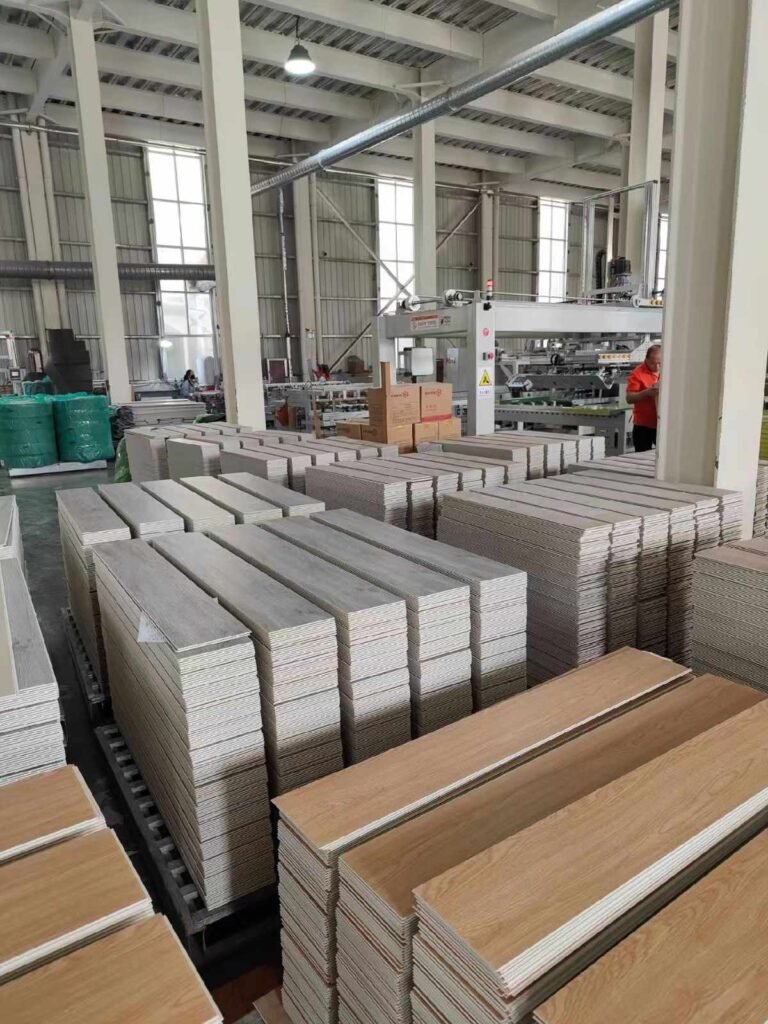
Why Can Shandong Lanhe Import and Export Co., Ltd. Be a Reliable SPC Flooring Supplier?
A supplier’s reliability relies heavily on strong product capability and steady quality control. Shandong Lanhe Import and Export Co., Ltd. provides SPC flooring for both residential and commercial applications. They offer multiple formats and diverse surface finishes. Buyers can choose from various wear-layer options and select either an IXPE or EVA backing. The company also incorporates trusted Unilin or Välinge click systems.
How Does Lanhe Support Quality Control?
Lanhe points out that its quality process covers raw-material inspection thoroughly. It also includes strict production-line checks and regular finished-product sampling. Their official SPC flooring page mentions that trained inspectors check the appearance, size, and squareness. They also test the locking-system function. Additionally, the factory may assemble finished products for a final quality verification before shipping.
The company materials describe a comprehensive quality control journey. This spans from initial raw-material procurement right through production and processing. It continues through final inspection and delivery. This approach supports solid product consistency for overseas markets. For importers and distributors, this setup offers a very practical foundation. It allows them to easily combine the factory QC steps with their own pre-shipment requirements.
Conclusion
A robust SPC flooring quality inspection must answer one primary question. Does the finished shipment actually match what the buyer originally approved?
The absolute best checklist combines basic visual checks with precise dimensional measurement. It also includes click testing, layer evaluation, and surface inspection. You should add stability testing, a trial installation, and thorough packaging verification. Buyers need to define clear acceptance criteria before the production begins. They must inspect random cartons across the entire shipment and document the findings. Furthermore, they should demand corrective action before loading whenever it becomes necessary.
Taking these specific steps can significantly reduce future installation complaints. It minimizes messy shipment disputes and lowers unexpected replacement costs. It also prevents avoidable shipping delays. Ultimately, this careful process helps buyers build a much more reliable SPC flooring supply chain.
FAQs
1. When Should SPC Flooring Pre-Shipment Inspection Be Carried Out?
This task should normally take place after the production and packing stages are mostly finished. However, it must happen before the actual container loading begins. This timing allows the inspectors to sample the finished cartons properly. They can verify the packaging details and request immediate rework if they find any problems.
2. Is Checking a Few Individual SPC Planks Enough?
No, it is not enough. You should always combine an individual-board inspection with a random assembly test. A trial installation can easily reveal tight click fit issues or uneven height differences. It also exposes bad gaps, flatness problems, and weird pattern inconsistencies. These specific faults remain very difficult to identify when you only look at single planks.
3. What Documents Should Buyers Prepare Before the Inspection?
You must prepare the purchase order and the approved sample. Gather the product specification, the carton requirements, and the agreed tolerance limits. Also, bring the inspection checklist and any required test or certification documents. Clear acceptance criteria make the final shipment decision much more objective. This clarity helps the supplier, the buyer, and the third-party inspector follow the exact same quality requirements.
