

An attached pad is a thin foam layer fixed to the back of SPC flooring. It helps cut down impact noise. It makes walking feel more comfortable. It also makes installation easier, because the floor and pad come as one single product. IXPE and EVA are the two main options. However, the best choice relies on density and compression recovery. It also depends on acoustic test conditions, the specific application, and your overall budget. The foam name by itself is not enough to decide.
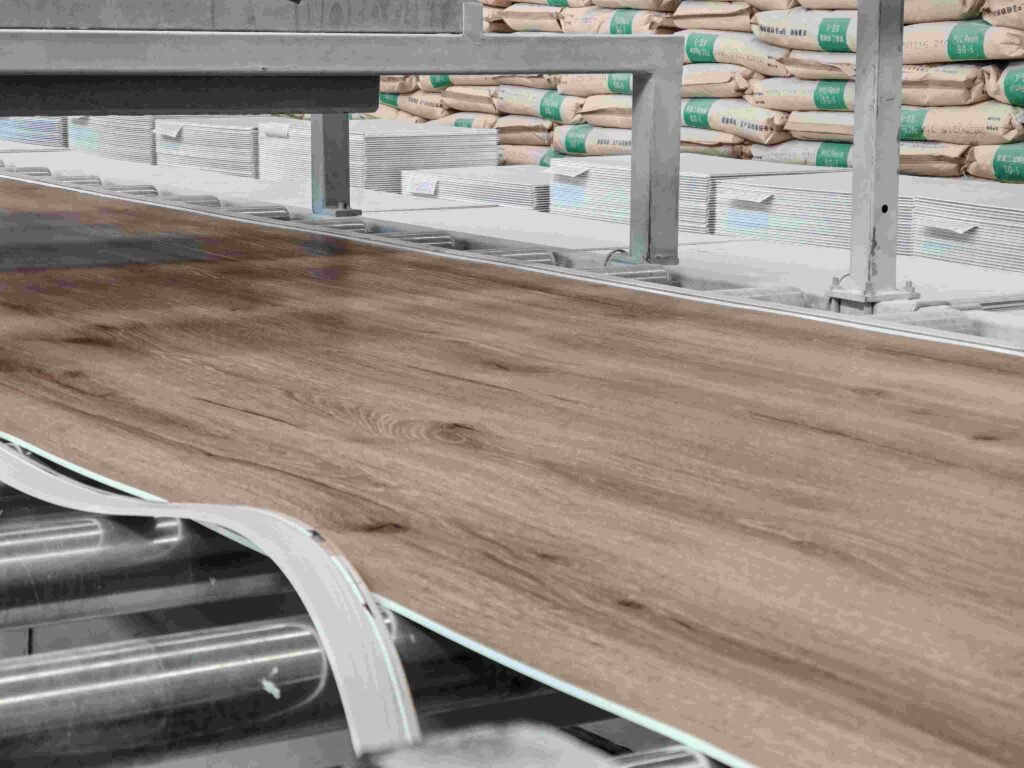
What Are IXPE and EVA Attached Pads?
Both are closed-cell foams placed under rigid-core flooring. They have different polymer structures. These structures lead to different levels of firmness, bounce, and overall price.
What Is IXPE?
IXPE stands for cross-linked polyethylene foam. People often pick it for its steady thickness and strong support. It bounces back well after heavy loads. Technical sheets for cross-linked polyethylene indicate that density, compression stress, and compression set change depending on the grade. Because of this, buyers need to ask for actual test data. Simply accepting “IXPE” as a full specification is a bad idea.
What Is EVA?
EVA stands for ethylene-vinyl acetate foam. Buyers frequently select it for its soft cushioning and great flexibility. It also offers a very competitive price. A good EVA grade delivers solid bounce. However, its performance shifts based on density, hardness, cell structure, and the exact chemical mix. Published EVA data also show that compression strength and recovery depend heavily on the specific grade.
How Does Density Affect SPC Flooring Performance?
Density shows how much foam material exists in a certain space. You must always check it alongside pad thickness and compression details.
Why Does Density Matter?
A denser pad usually gives the rigid SPC core much stronger support. It stops too much up-and-down movement near the click joints. This is very helpful in busy commercial spaces. It also helps in rooms with heavy furniture. A lower-density pad might feel softer to walk on. Yet, it can flatten out more easily under repeated weight.
Higher density is not always the best choice for every single project. The right number must fit the SPC board thickness and the locking profile. It also needs to match the foot traffic, the subfloor condition, and the walking feel you want.
Is Thickness More Important Than Density?
No, it is not. Two pads might both measure 1.5 mm thick, but they can act in totally different ways. A low-density pad may crush down quickly. Meanwhile, a denser pad of the exact same thickness will hold its shape much longer.
Shandong Lanhe’s product brochure shows IXPE in 1.0, 1.5, and 2.0 mm sizes. It shows EVA in 1.0 and 1.5 mm sizes. They also offer more foam colors and surface textures. A proper purchase order must list the material, thickness, and density. It should also include the texture, color, and needed test results.
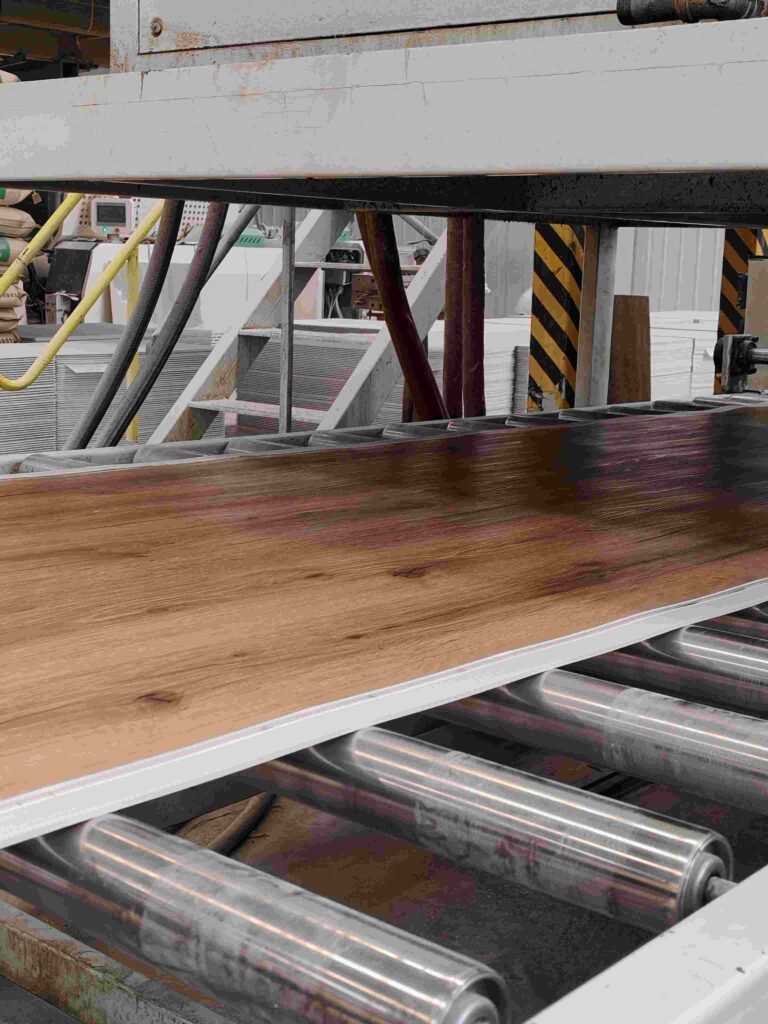
Which Pad Offers Better Compression Recovery?
Compression recovery means how well the foam springs back to its normal thickness after a heavy weight is lifted. Bad recovery can slowly ruin the floor’s support and change how walking feels.
When Is IXPE the Better Choice?
IXPE is a popular choice when buyers need tough support and long-lasting shape. It stays stable in busy areas with lots of walking. It works great for high-end home flooring, busy offices, and hotels. It also fits apartments and any place where the floor faces constant pressure.
Buyers still need to look at compression stress, compression set, and recovery time. They must check the test rules as well. Just knowing the material name does not guarantee that one pad will beat another.
When Is EVA a Practical Choice?
EVA fits nicely with basic residential lines and budget-friendly product programs. It is good for shoppers who like a slightly softer step. A well-made EVA pad with the right density offers dependable performance in standard homes.
The final choice needs to match the foot traffic and the weight of the furniture. It must fit the SPC core thickness and the clicking system. Testing real samples after repeated crushing is much better than just squeezing the foam with your fingers.
How Should Acoustic Ratings Be Compared?
Attached pads definitely help block passing sound. However, an acoustic rating applies to the whole floor-and-ceiling setup. The concrete slab, the ceiling below, the SPC board, the attached pad, and the installation style all change the final score.
What Do IIC and STC Mean?
IIC means Impact Insulation Class. It deals with impact noises traveling through a floor-ceiling structure. Testers usually measure it using a standard tapping machine. ASTM rules say the final score depends on the building style and the physical traits of the entire setup.
STC means Sound Transmission Class. It handles airborne sound moving through building parts, like floor-ceiling systems. It looks at noises like loud talking or TV sounds, rather than just footsteps hitting the floor.
What Should Buyers Check in an Acoustic Report?
Always ask for the full test report. Do not just accept a basic summary number. Look at the concrete slab thickness and the ceiling structure. Check the SPC thickness, the attached-pad material, and the pad thickness. You also need to know if the numbers came from a lab test or a real-world field test.
Do not compare an IXPE score from one building setup directly against an EVA score from a totally different setup. For a fair and honest comparison, testers must check both products using the exact same floor-ceiling structures.
How Do IXPE and EVA Compare on Cost and Application?
You cannot guess the pad cost just by reading the material name. Density, overall thickness, glue quality, and surface texture change the price. The order size and specific testing needs also affect the final quote.
Where Does IXPE Fit Best?
IXPE is an excellent choice for luxury homes, nice apartments, and modern offices. It works well in hotels, retail shops, and jobs where bounce-back and steady support matter most. Buyers might agree to a higher pad budget when lasting performance is a main goal.
Where Does EVA Fit Best?
EVA fits well in normal houses, rental updates, and basic flooring lines. It is good for programs where soft feel and strict cost control are the biggest goals. Even so, the chosen EVA grade must still give enough support for the SPC click system and the expected daily weight.
Why Is Shandong Lanhe a Reliable SPC Flooring Supplier?
A good supplier needs to match the attached pad to the whole SPC flooring design. They should not treat the pad like a random extra part.
What Can Shandong Lanhe Supply?
Shandong Lanhe Import and Export Co., Ltd. provides SPC flooring with IXPE or EVA back foam. They offer adjustable board thicknesses and many wear-layer choices. They use Unilin or Välinge click systems. Their product list also features custom sizes, colors, neat patterns, and surface finishes. They have CE and SGS options ready for buyers.
The company’s files highlight modern automated machines and strict quality checks. These checks manage raw-material buying, factory production, testing, and shipping. This setup helps importers, local distributors, and project buyers. They can easily organize pad density, board design, testing, packing, and private-label details with just one SPC flooring supplier.
Conclusion
IXPE is normally the better pick when strong support, good compression recovery, and a high-end spec are your main goals. EVA is often the right fit when a soft feel and tight cost control matter more.
You should never pick either material by its name alone. Buyers must look at density, thickness, and compression data. They should read full acoustic reports. They also need to check how well the pad works with the SPC core and the locking system before they confirm any order.
FAQs
Is IXPE Always Better Than EVA for SPC Flooring?
No, it is not. IXPE often fits high-performance jobs, but a well-chosen EVA pad works great in normal homes and budget-friendly lines. Density, the chemical mix, and real test results matter much more than just the material name.
Does a Thicker Attached Pad Always Provide Better Sound Insulation?
No. Acoustic performance relies heavily on the whole floor-ceiling setup. A thicker, low-density pad might fail to beat a thinner, denser pad placed in the exact same building structure.
What Should an SPC Flooring Inquiry Include?
You must include the board thickness, the wear layer, and the click system. Add the pad material, pad thickness, and density. Also state the application, acoustic needs, order amount, target market, and the required certificates.
