

OEM laminate flooring gives importers, distributors, retailers, and building-material brands the chance to introduce custom collections. They can do this without running their own factories. The whole process, though, requires much more than just picking a wood color and adding a logo. You have to approve many details. These include core density, wear class, surface texture, click profile, packaging, and loading plans. A well-organized OEM workflow cuts down on mistakes. It also helps buyers transform a basic product idea into a private-label shipment that is ready for the market.
How Does an OEM Laminate Flooring Project Begin?
The initial step turns the buyer’s business needs into a detailed product specification. The supplier requires specific details. They need to know about the target market, intended application, and price level. They also need information on expected foot traffic, sales channels, and the rules of the destination country.
What Should the Product Brief Include?
A thorough brief needs to cover:
- Plank length and width
- Flooring thickness
- HDF or MDF core
- Core density
- AC wear rating
- Décor and color
- Surface texture and gloss
- Groove profile
- Click-lock system
- Edge treatment
- Emission grade
- Packaging quantity
Flooring made for homes, offices, hotels, rental properties, and shops might need distinct specifications.
Shandong Lanhe’s laminate flooring lineup features wood grain, stone grain, parquet, herringbone, and fishbone styles. You can also choose from EIR, matte, embossed, high-gloss, and handscraped finishes. Furthermore, they provide various thicknesses, AC ratings, groove profiles, and click systems.
A clear and exact brief helps the supplier suggest the right build. This avoids adding extra features that raise the price but give little benefit to the final user.
How Does a Décor Sample Become a Golden Sample?
Once the technical specification is set, the visual design phase starts. Buyers can pick a current décor. Alternatively, they can supply a flooring plank, furniture panel, color chip, décor paper, or digital picture as a guide.
How Is the Décor Sample Evaluated?
The supplier reviews the color tone, grain size, pattern repeat, plank width, gloss amount, and needed texture. Picking a décor that already exists usually speeds up the design time. A totally fresh design might need special décor paper or a brand-new pressing plate.
Buyers ought to look at a few joined planks under both natural sunlight and indoor lamps. A single plank cannot show the full color variety. It also won’t reveal if repeated knots and grain marks will appear natural over a broad floor space.
Why Is the Golden Sample Important?
The golden sample serves as the ultimate physical model approved for bulk manufacturing. It needs to show the agreed décor, color span, gloss, texture, groove, size, backing, and click profile.
Both the buyer and the supplier must mark their samples with the product code, version number, and approval date. After that, the factory relies on the golden sample for checks during production.
Holding onto matching samples builds a common standard for quality. It also lessens arguments caused by variations among computer screens, printed photos, and the actual finished flooring.
How Is Consistency Protected During Manufacturing?
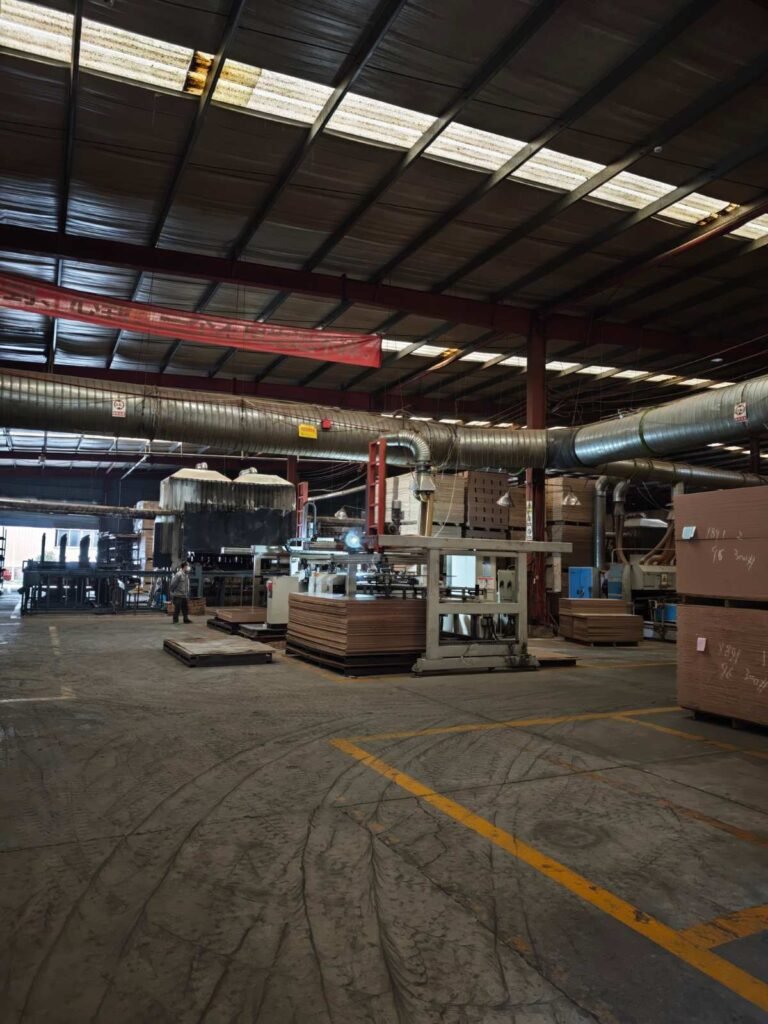
After the golden sample gets the green light, the factory has to match that exact look and quality across thousands of planks. Therefore, using steady materials, keeping strict production settings, and logging inspection results are vital steps.
What Happens During Pressing and Profiling?
Prior to pressing, the manufacturing crew looks over the core board, décor paper, wear layer, and balance layer. Factors like core density, moisture level, board straightness, and surface purity can change the final look and size stability of the flooring.
Throughout the hot pressing stage, workers must carefully manage the temperature, pressure, duration, and plate state. Next, the boards undergo conditioning. Then, they are sliced into planks and shaped with the chosen locking profile.
When making EIR laminate flooring, the raised texture has to match the printed wood grain perfectly. Bad alignment can cause a beautiful décor to look fake.
Which Quality Checks Should Buyers Expect?
Quality inspections generally include:
- Plank dimensions and squareness
- Surface defects and color variation
- Gloss and texture
- Edge and groove quality
- Click-joint fitting
- Abrasion resistance
- Thickness swelling
- Locking strength
- Emission performance
Batch codes, saved samples, and testing logs make tracking easier. Buyers need to settle on passing rules before making the goods, rather than holding off until the items are packed to ship.
How Is Private-Label Packaging Prepared?
Packaging keeps laminate flooring safe during moving. It also shares key details with warehouses, fitters, shops, and end users. You must check the packaging as closely as the flooring itself.
What Should Appear on the Carton?
A private-label box usually displays the brand name, series, décor code, plank size, and thickness. It also shows the piece count per box, total square meters, AC class, batch code, barcode, fitting icons, origin country, and required safety marks.
Before starting the print run, the buyer must verify spelling, translations, item codes, numbers, QR codes, barcodes, and shipping labels. Even a tiny design mistake can cause trouble during customs checks, warehouse sorting, or shop sales.
How Is Export Packing Planned?
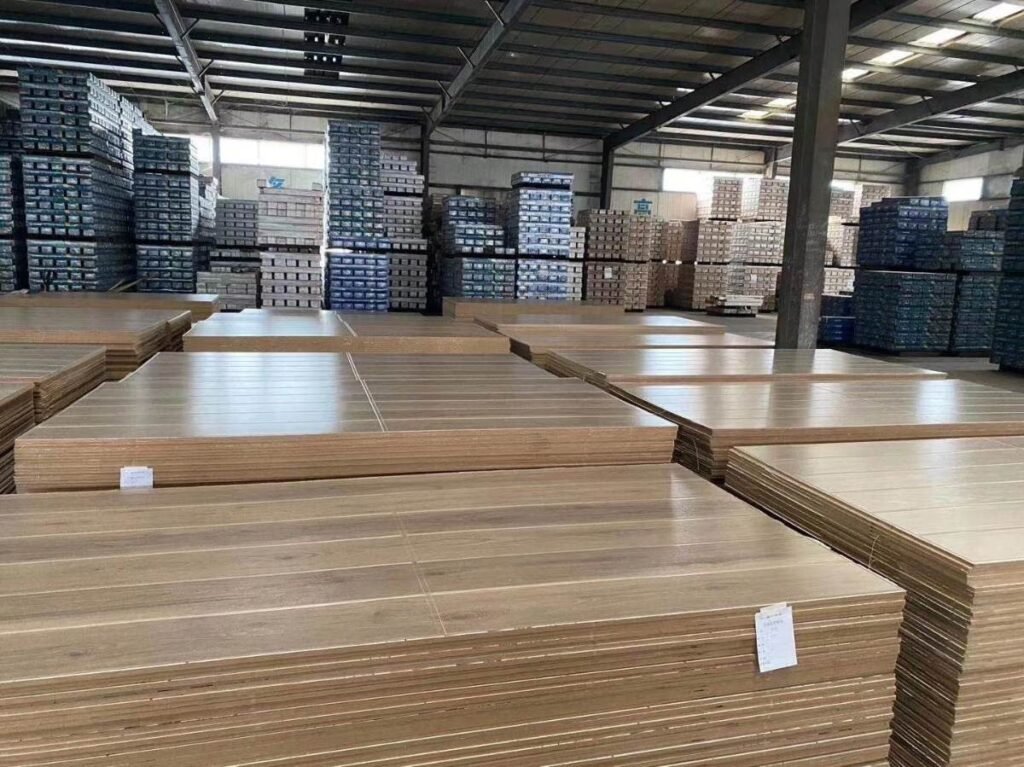
The supplier figures out the plank count per box, boxes per pallet, total weight, pallet tallness, and container space usage. Sturdy boxes, shrink wrap, bands, edge guards, and dampness-control items help lower damage during the journey.
Orders with mixed décors need clear pallet tags and a correct packing list. Sample pieces, fitting manuals, extra parts, and backup planks should also go into the loading plan if asked for.
What Happens Before the Private-Label Container Is Shipped?
The last step makes sure the flooring, boxes, amounts, and paperwork fit the agreed order before workers lock the container.
How Is Pre-Shipment Inspection Conducted?
Inspectors open random boxes and check them against the golden sample and the spec sheet. They might look at color, size, click tightness, surface shape, box printing, barcode scanning, item counts, pallet strength, and packing truthfulness.
Any items that fail the check must be set aside prior to shipping. Photos from the inspection, testing papers, and packing logs give the buyer a solid, written proof of approval.
What Is Checked During Container Loading?
The container needs to be neat, dry, free of bad smells, and without holes or frame damage. Workers must pack cartons or pallets tightly, ensuring the weight spreads out evenly.
Product codes and item counts have to match up on the boxes, packing list, sales bill, and shipping guides. Photos of the loading and the container lock number offer one more record of the shipment.
Why Choose Shandong Lanhe Import and Export Co., Ltd.?
A trustworthy laminate flooring supplier ought to link product design, factory checks, boxing, testing, and shipping tasks into one smooth process.
What Can Lanhe Offer OEM Buyers?
Shandong Lanhe Import and Export Co., Ltd. provides laminate flooring in many styles, thicknesses, AC ratings, surface finishes, groove profiles, and click systems. Their business profile highlights strict quality control. This covers buying raw materials, making the goods, testing, and shipping. They also have strong experience helping clients in global markets.
For OEM buyers, Lanhe helps with picking specs, confirming samples, making branded boxes, checking quality, and getting shipments ready. This smooth service lets importers and private-label brands progress easily from a simple idea to a real business order.
What Is the Key Takeaway?
A winning OEM laminate flooring project relies on written proof at each step. The décor sample sets the look, and the golden sample acts as the factory standard. Tight factory rules keep the quality steady, and custom boxes get the flooring ready for buyers.
Buyers should handle sampling, making, checking, boxing, and container loading as one linked process. Teaming up with a helpful supplier like Shandong Lanhe makes the trip from a product thought to a private-label container much safer, easier to track, and better for business.
FAQs
How Long Does an OEM Laminate Flooring Project Take?
The timeline shifts based on the amount of custom work. Using current décors and normal specs usually goes quicker. On the other hand, custom décor paper, special pressing plates, unique click profiles, or custom boxes take more time to develop and approve. Buyers should ask for a clear timetable that shows sampling, design art, factory work, checks, and loading.
What Must Be Approved Before Mass Production?
Buyers have to approve the spec sheet, actual sample, golden sample, okayed color spread, surface feel, click profile, box art, barcode, packing style, passing rules, and shipping marks. Every approval needs to show a product code, version, and date.
Can Different Décors Be Loaded in One Container?
Yes. Putting mixed décors in one load is often doable. It depends on the amount per style, box sizes, pallet setup, and order rules. The loading map must show each décor, batch, box count, and pallet clearly. This way, workers can check the delivery easily once it arrives.
