

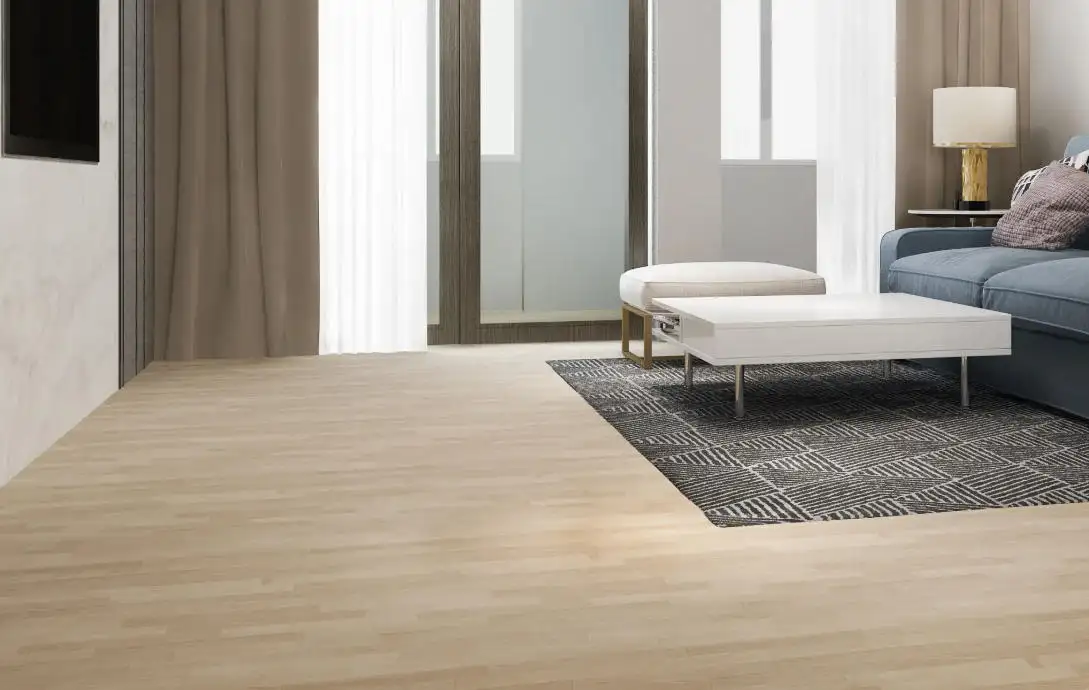
Hey there! Picking out flooring for your home isn’t just about how it looks or how sturdy it is. You want it to be safe for your family too, don’t you? This matters a lot if you’ve got kids zooming around or older folks living with you. SPC flooring, or Stone Plastic Composite, is showing up in homes everywhere these days. And there’s a good reason for that. It’s not only strong but also brings some nice health benefits to make your home a safer place. In this post, we’ll dive into why SPC flooring safety is a big deal and how it keeps your home feeling healthy. We’ll cover things like cutting down on allergens and improving the air you breathe, with a few real-life examples tossed in. Stay with me—you might find this is the change your home could use.
What Makes SPC Flooring a Safe Choice?
SPC flooring is different from other materials. It’s made from a mix of limestone dust, plastic bits, and stabilizers, all pressed together with lots of heat. No glue is needed, so there are fewer harmful chemicals right from the start. Think about it: carpets or some wooden floors can hold onto things that aren’t good for your health. SPC, though? It’s built to avoid those problems. I’ve known families who switched to SPC after dealing with endless sneezing from dusty carpets. One mom, with two kids who get bad allergies, told me her house felt “cleaner” after putting in SPC. Dust doesn’t stick to it. That’s because SPC has a smooth surface that doesn’t grab onto tiny particles. It’s like making cleaning a whole lot easier.
Low VOC Emissions for Better Air Quality
Some floors let out invisible gases called Volatile Organic Compounds, or VOCs. These can give you headaches or make your eyes itch, especially if you’re sensitive. SPC flooring keeps these gases really low—often much lower than what’s considered okay. For instance, many SPC products have VOC levels below 0.5 parts per million. Older vinyl floors might release 5 parts per million or more. Why does this matter? Imagine you’re making dinner in your kitchen. You don’t want to worry about bad smells or harmful gases coming up from the floor. You just want to breathe easy. The EPA says materials like SPC can cut indoor air pollution by up to half. SPC often comes with certifications like FloorScore, which shows it’s been checked for clean air. Not every floor can say that.
Allergen Resistance: A Breath of Fresh Air
Allergies can be a real pain. Dust mites, pet fur, and pollen love to hide in carpets. But SPC flooring? It doesn’t let them hang around. Its surface doesn’t soak up allergens. A quick sweep or mop, and they’re gone. Picture this: it’s springtime, and pollen is all over the place. With carpet, you’d be sneezing nonstop. With SPC, you wipe it down, and the air stays clearer. For people with asthma or allergies, this can make a huge difference. Health studies say hard surfaces like SPC can reduce allergy symptoms by 20-30%. If you’ve got pets, you’ll like how easy it is to clean up fur. It doesn’t get stuck deep in the floor like it does with carpets.
Health Benefits Beyond the Basics
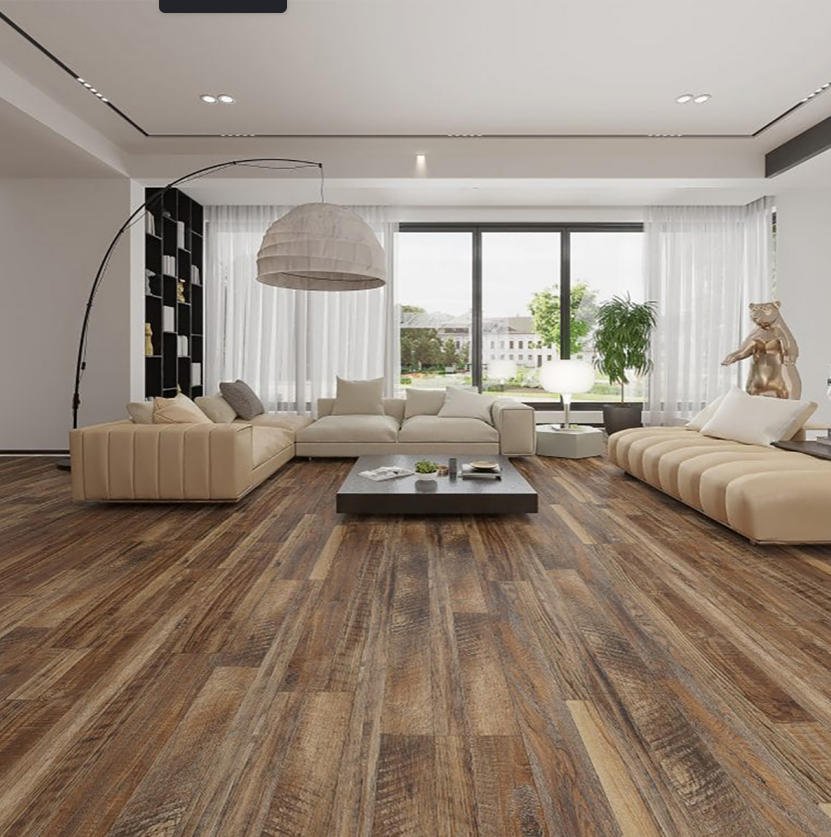
SPC flooring doesn’t just keep bad things away. It also adds some nice perks to your home. Let’s talk about a few.
Waterproof and Mold-Resistant
Water damage can sneak up on you and cause health issues. Mold grows in wet spots, and that can lead to breathing problems. SPC is fully waterproof. It doesn’t let water soak in at all. Spill a cup of water? No worries—it just sits there and wipes away. This is a big help in damp places like bathrooms or basements. I heard about a basement remodel where old laminate got ruined after a small flood. Mold started growing. They switched to SPC, and the problem was gone. No mold means fewer trips to the doctor for breathing issues. SPC holds up well in humid spots where other floors might give out.
Slip-Resistant Surface
Slips and falls happen more often at home than you might think. This is especially true for kids or older folks. SPC has textured surfaces that give extra grip, even when the floor is wet. Some types have a slip rating of R10 or higher, which is great for homes. Imagine a busy morning: your kids spill juice. You clean it up, and the floor is still safe to walk on. That grip gives you peace of mind. Safety experts say slip-resistant floors can cut fall risks by 40%. Plus, SPC feels a bit soft under your feet. It’s kinder to your joints if you’re standing a lot.
Durability and Eco-Friendliness
SPC is also really tough. Its surface, which can be 0.3mm to 0.7mm thick, stands up to heavy foot traffic without scratching easily. It can last 25 years in homes or 15 years in busier places. Why is this good for your health? You don’t have to replace it often, so there’s less waste going to landfills. It also means fewer chemicals from putting in new floors. SPC can be recycled too. In a world where we’re all trying to be a bit greener, that’s a bonus. One downside? It can feel cold in winter if you don’t have underfloor heating. But throw down a rug, and you’re all set.
Fire and Chemical Resistance
SPC also handles fire well. It’s fire-resistant and often rated B1. This means it doesn’t catch fire easily and stops burning quickly. It doesn’t give off toxic smoke either, unlike some other materials. SPC resists household cleaners and acids too. It doesn’t break down or release bad gases when you clean it. For families, this adds an extra layer of safety.
Antibacterial Properties
Many SPC floors come with treatments that stop bacteria from growing. This keeps your home cleaner. In places like kitchens or kids’ play areas, this helps cut down on germs. Tests show SPC can reduce bacteria by 99% in a day. That’s handy during flu season, right?
Introducing Lanhe: Your Trusted SPC Flooring Supplier
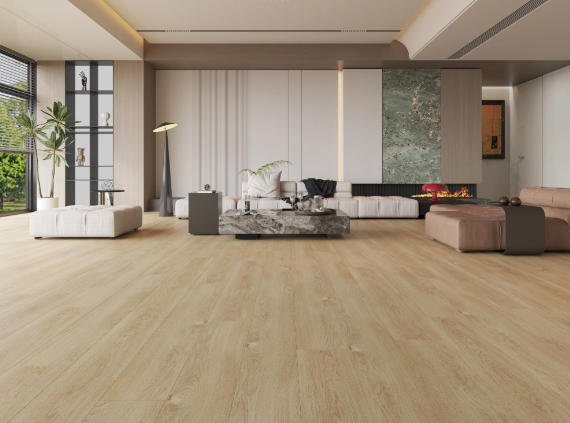
Let’s talk about Lanhe Flooring. They’re a dependable company based in Shandong, China, making SPC flooring. With more than 10 years in the business, Lanhe takes care of both making and shipping their products. They use fully automated systems to ensure everything is high quality, from checking raw materials to packing the final boxes. Their flooring goes to places like North America, Europe, Australia, and Southeast Asia. People love their products for being steady and stylish. What makes them special? They have certifications like ISO9001 and FloorScore. They also let you pick designs, like wood patterns, marble looks, or herringbone styles. Prices start around $3.8 per square meter, with minimum orders of 300-800 square meters. Their team, including folks like Crystal Lee, is always ready to answer questions, day or night. If you’re thinking about SPC, Lanhe is a great choice for safe, reliable flooring.
Conclusion
To wrap things up, SPC flooring safety isn’t just a fancy idea—it makes your home healthier and easier to care for. It keeps harmful gases low, fights off allergens, stops water damage, and prevents slips. Sure, it might feel a bit chilly in cold places without heating, but for most homes, it’s a smart, lasting pick. If you’re fixing up your house, think about how SPC fits your life. A safe floor means you can enjoy your home more and worry less about hidden risks.
FAQs on SPC Flooring Safety
Is SPC flooring safe for families with young children?
Yes, it’s very safe. SPC doesn’t have harmful chemicals like formaldehyde. Its smooth surface is easy to clean, so allergens don’t pile up. Plus, its grip keeps kids from slipping during playtime.
How does SPC flooring contribute to a healthy home environment?
It cuts down on harmful gases and stops mold from growing. It’s also antibacterial, which reduces germs. In short, it keeps the air cleaner and helps you avoid health problems, making your home feel fresher.
Does SPC flooring have any fire safety features?
Yes, it’s fire-resistant and stops flames fast. It doesn’t release toxic smoke. This makes it a safer choice for your home, even in emergencies.
Can SPC flooring handle pets and still be safe?
Absolutely. It resists scratches and water, so pet messes don’t lead to mold. Smells don’t stick around either. For pet owners, SPC keeps your home cleaner and healthier with less work.
What’s the lifespan of SPC flooring in terms of safety?
It lasts 15-25 years and keeps its health benefits, like low gas emissions and allergen resistance. It doesn’t break down into harmful bits, so your home stays safer longer than with many other floors.
