

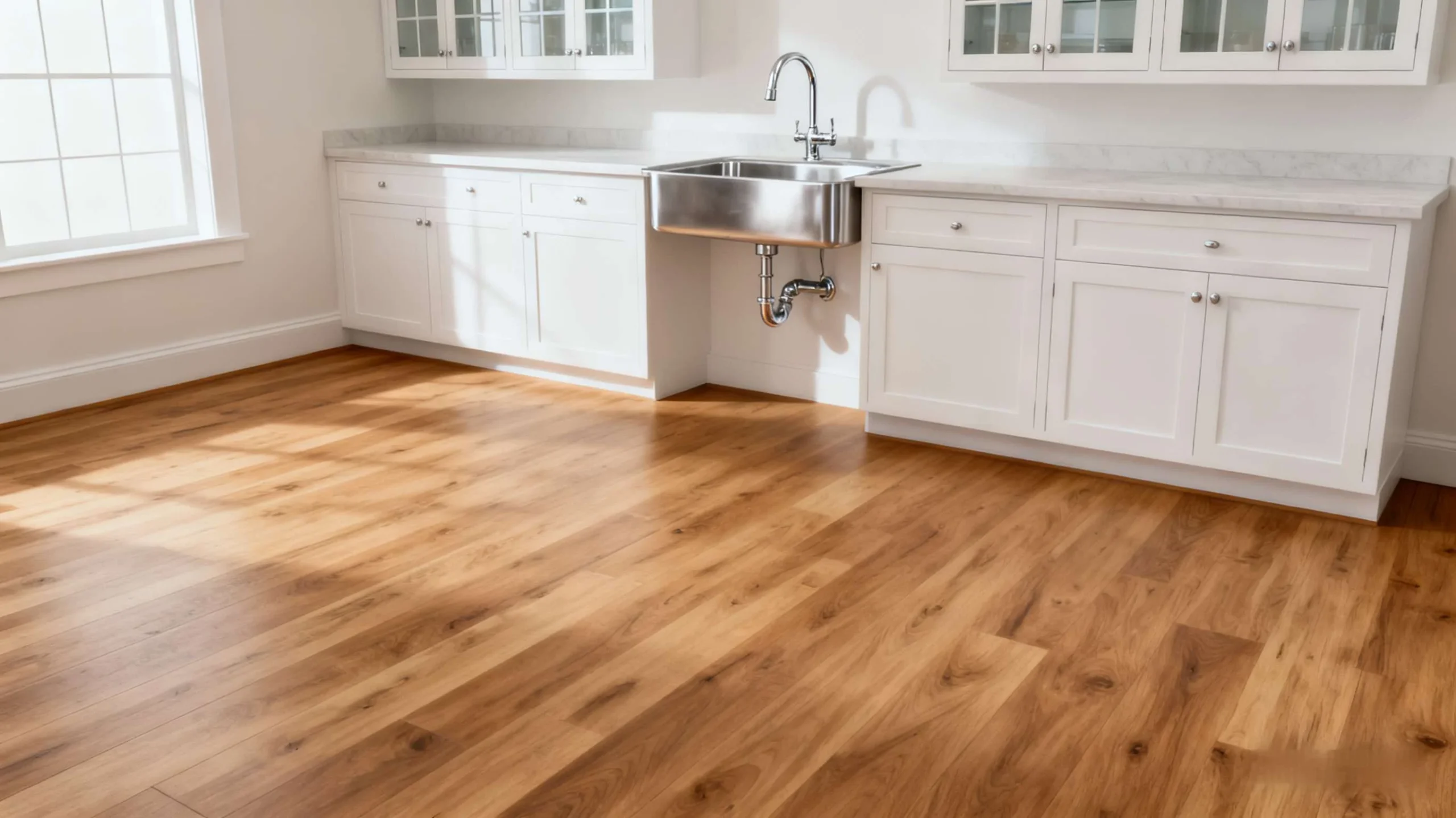
Picture this. You come home after a tough day. You slip off your shoes. Then you spot it in the living room. Your laminate floor, which looked smooth and nice a couple years ago, now has these weird raised areas. They look like bubbles. It’s annoying, isn’t it? Lots of folks deal with this. But here’s the bright side. You can often fix it and stop it from happening again. In this post, we’ll explain why it occurs. We’ll guide you through actual repairs. And we’ll offer advice to keep your floors in good shape for a long time. Let’s jump in and sort out your home.
Understanding Laminate Flooring Bubbling
So, what is laminate flooring bubbling anyway? It’s when sections of your floor planks puff up. This creates ugly bumps or ripples. It’s more than just a looks problem. It can make the floor uneven to walk on. And if you ignore it, things might get worse. Cracks could form. Or planks might break entirely.
Laminate floors are sturdy. They have layers that copy wood or stone. Yet they handle everyday wear. The middle part is a dense fiberboard. On top, there’s a pretty print. A tough layer protects it. And a bottom layer keeps everything even. But moisture can creep in. The fiberboard soaks it up fast. It swells and forces the layers apart. It’s like a wet book. The pages curl and bubble.
I’ve talked to flooring experts plenty. They say bubbling affects around 15-20% of laminate setups at some stage. This comes from reports on home fix sites and pro forums. It shows up more in damp places like kitchens or basements. Spills or moist air hang around there.
A Real-Life Example of Bubbling Gone Wrong
Consider Sarah from Chicago. She updated her kitchen floor with laminate. It matched her sleek cabinets. All seemed fine. But then her dishwasher leaked. She didn’t notice for a week. Water gathered under the planks. Soon, bubbles appeared over a big spot. "It began tiny," she shared with me. "But it grew quick since the air was humid that summer." Sarah had to swap out half the floor. It cost a bunch. Tales like hers highlight how fast water can ruin a great floor.
Common Causes of Laminate Flooring Bubbling
Bubbling doesn’t pop up randomly. Finding the main reason helps you fix it properly. Here are the top reasons. They’re based on what pros see all the time.
Moisture: The Number One Enemy
Water is laminate’s biggest foe. Modern laminates resist water better now. But they’re not totally waterproof. Drops from pets, plants, or pipe leaks slip into joints. They make the core swell. High humidity, like over 60% in a room, does the same slowly. In basements without good moisture blocks, dampness comes up from the ground.
Stats from flooring groups show that 70% of bubbling links to too much wetness. Stop it early. Wipe up spills right away. Use mats in wet spots.
Installation Mistakes That Lead to Trouble
A hurried or wrong setup invites issues. If the base floor isn’t flat, planks won’t lie even. This traps air or lets things move, causing bubbles. Forgetting to let the flooring sit in your home for 48 hours is bad. It needs to get used to the temp and humidity.
One more key thing: skipping space for expansion. Laminate must have room to shift. About 1/4 inch near walls. Without that, planks press against edges in humid times. They buckle up. I’ve noticed this in older houses where people did it themselves and skimped.
Subfloor Issues and Environmental Factors
A bumpy or shaky base floor passes problems up. Concrete that’s not dry enough is trouble. It should have under 3% wetness, from industry checks. Heat changes, like from sun through windows, make stuff grow and shrink unevenly.
Cheap laminate cuts corners on core strength or seals. This makes bubbling more common. But with better kinds that have thick top layers, like AC4 or AC5, you’re safer.
Quick Tip Table: Spotting Early Signs of Bubbling
Sign What It Means Action to Take
Soft spots underfoot Moisture starting to swell core Check for leaks immediately
Visible humps Advanced swelling Isolate area, dry it out
Creaking sounds Planks shifting Inspect seams for gaps
How to Fix Laminate Flooring Bubbling Step by Step
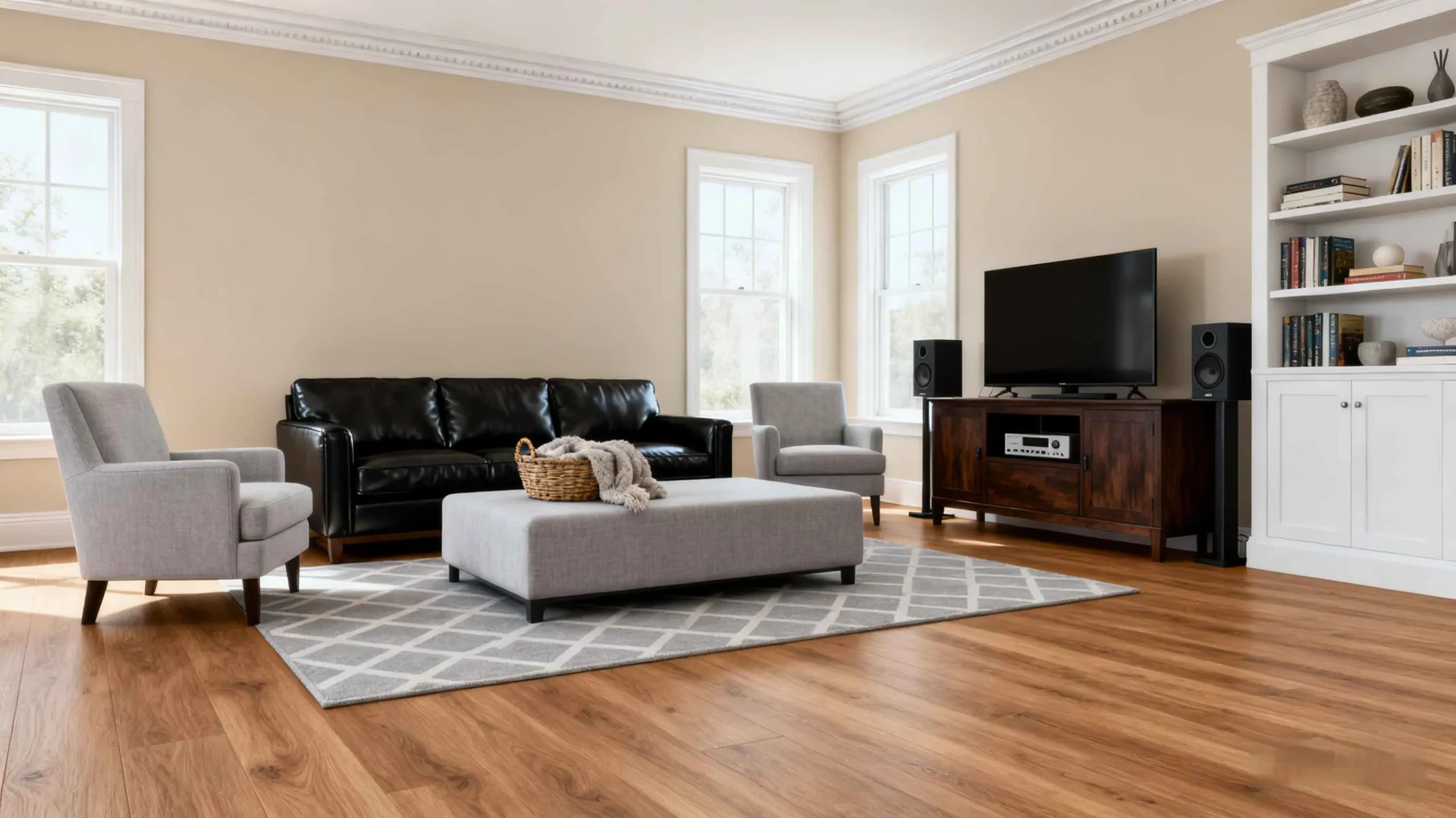
Stay calm. Many bubbling problems can get sorted without tearing up the whole thing. Here’s a simple repair plan. Put on safety stuff like gloves and knee pads first.
Assess the Damage First
Begin by checking how serious it is. Gently push the bubble. If it’s mushy, water might still be there. Measure the bad area. Small ones, under 2 square feet, are easy for DIY. Bigger spots may need help.
Dry out the space. Use fans or dehumidifiers. Or even a hairdryer on low for a while. Shoot for 40-50% humidity. I heard about a guy in Florida. He fixed light bubbling by blasting the AC all weekend.
Repair Small Bubbles Without Replacement
For little bubbles, give this a shot. Drill tiny holes, about 1/8 inch, into the spot. Squirt in wood glue with a syringe. Then press it down with books or something heavy for a day. Sand a bit and fix the look if you have to. It fixes things around 80% of the time for surface stuff. That’s from repair manuals.
If air is stuck, cut the bubble with a sharp knife. Squeeze out the air. Glue the sides back.
Replace Damaged Planks for Bigger Problems
This is more involved:
- Pull off baseboards carefully. Use a pry tool.
- Lift the bad planks. Laminate snaps apart easy if you start at the side.
- Dry the base floor well. Use a wetness checker to make sure it’s under 12%.
- Put in new planks. Match the thickness and design.
- Put back the trim. Seal joints with caulk for extra guard.
Money-wise, swapping a few planks costs $50-200. A full redo? Over $1,000. Keep extra planks from your first setup. They match perfect.
When to Call in Professionals
If bubbling covers a full room, or comes from deep issues like a poor base, get experts. They have gear like heat cameras to find hidden damp. Plus, they guarantee their job.
Preventing Laminate Flooring Bubbling in the Future
Repairing is fine. But avoiding it is smarter. Pay attention to good habits and proper start.
- Control Moisture Levels: Hold indoor humidity at 35-55%. Use dehumidifiers or vents. In baths and kitchens, lay rugs. Skip steam mops. Use damp cloths instead.
- Choose Quality Materials: Pick laminates with solid water-proof cores and high wear scores. Thicker ones, 8-12mm, stand up better.
- Proper Installation Habits: Always add underlay with a moisture shield. Make the base floor level within 3/16 inch over 10 feet. Don’t forget those expansion spaces!
- Take Mike in Seattle. He dodged bubbling by sealing his basement floor first. "I checked wetness ahead," he said. "It spared me headaches in wet weather."
- Daily Maintenance Bullet Points:
- Wipe spills right away with a soft cloth.
- Use felt pads under furniture to prevent scratches and pressure points.
- Avoid extreme heat sources like radiators.
- Schedule annual checks for seams and edges.
With these moves, your floor can last 15-25 years easy.
Discover Lanhe: Your Trusted Laminate Flooring Supplier
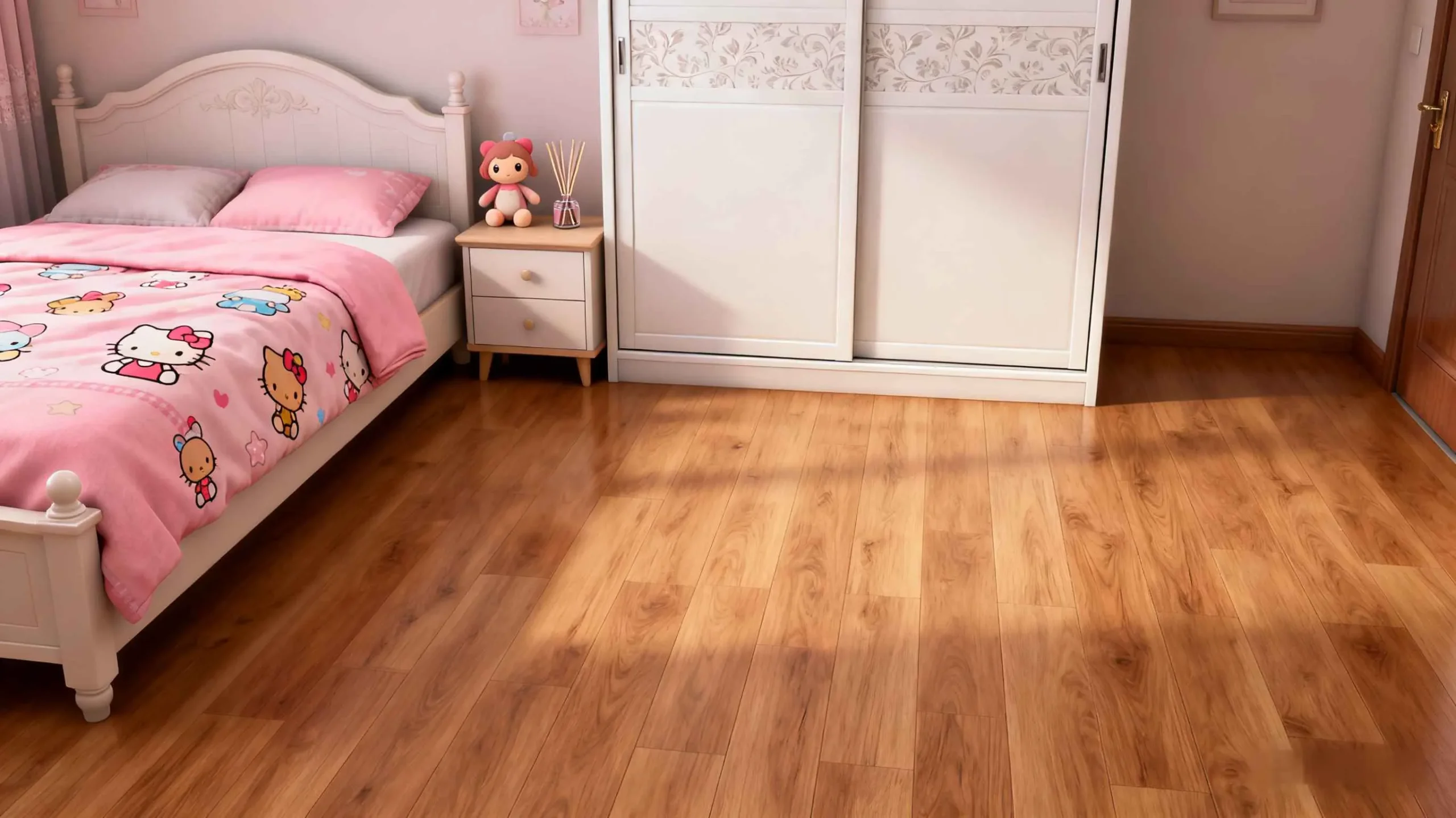
When you want dependable laminate flooring that handles daily life, Lanhe stands out as a solid choice. They’re based in Shandong, China. They’ve got over ten years making top-notch floors. These mix looks, strength, and green practices. Their laminate choices have custom designs like oak or walnut. Thicknesses run from 6mm to 12mm. And high wear classes up to AC5 for busy spots. What makes Lanhe different? Strict checks from start to end. This ensures low formaldehyde, E0 level. And good defense against damp—vital for skipping bubbling troubles. For a small house or active office, Lanhe’s fresh styles and simple click setup make them a wise option for enduring appeal.
Conclusion
Handling laminate flooring bubbling can seem tough. But with the right info, you can repair it once and for all. And keep your place neat. Keep in mind, water is often the bad guy. So watch out and prevent it. Pick strong products. Care for them right. You’ll have easy floors that boost your home. If bubbling shows, move quick to cut damage. Your floors earn it. And you do too.
FAQs
What causes laminate flooring bubbling most often?
Laminate flooring bubbling usually comes from too much moisture hitting the core layer. Things like spills or humid air. Bad setup, like no moisture shields, can add to it.
How can I fix laminate flooring bubbling at home?
To fix laminate flooring bubbling, dry the spot first. Use fans or a dehumidifier. For small areas, add glue and flatten it. For bigger ones, swap the planks after looking at the base.
Is laminate flooring bubbling preventable with better materials?
Sure, going for good laminate with solid water defense and seals lowers bubbling chances. Steady care, like fast wipes, aids a ton.
When should I replace my floor instead of fixing laminate flooring bubbling?
If bubbling hits a large section or returns from constant damp problems, a full swap could be better for lasting calm.
Does temperature affect laminate flooring bubbling?
Big heat shifts can lead to growth and help cause bubbling. Especially without space to expand. Hold your room steady to skip this.
