

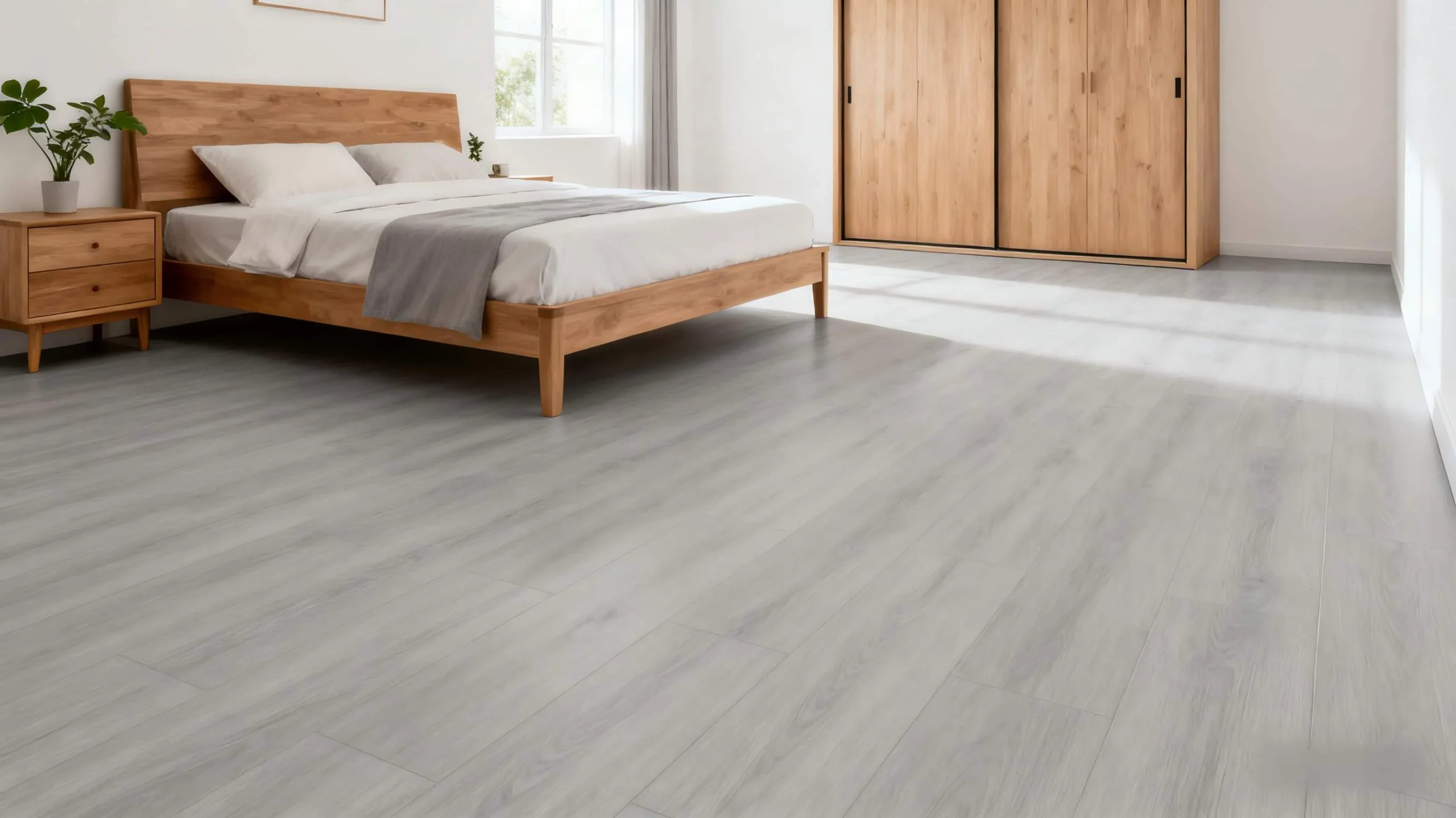
Picture this. You’re standing in your kitchen after a summer rainstorm. Water pools on the floor from tracked-in mud. You don’t scramble for towels. You don’t worry about warping wood or swollen laminate. You just grab a mop. Then you wipe it clean. No drama. That’s the kind of peace SPC flooring brings to everyday life. If you’ve been eyeing new floors but aren’t sure where to start, you’re in the right spot. SPC—short for Stone Plastic Composite—has exploded in popularity over the last few years. And for good reason. It’s tough. It looks great. And it handles real-world messes like a champ.
In this post, we’ll break down the SPC flooring pros and cons. Straight-up. No fluff. We’ll look at how it stacks up for cozy homes. We’ll also check it for bustling businesses. By the end, you’ll have a clear sense of whether it’s the smart pick for your space. Let’s jump in.
What Exactly Is SPC Flooring?
SPC flooring isn’t your grandma’s linoleum. It’s a rigid core. That core comes from a blend of limestone powder and PVC. They press it together under high heat. And they do it without any glue. That means zero formaldehyde emissions. It’s E0 rated, if you’re into the tech specs. Plus, it’s recyclable to boot. The top layers? A printed design film gives that wood-grain vibe. Think oak or walnut. Then a clear wear layer tops it off. That’s usually 0.3 to 0.7 millimeters thick. It fends off scratches and stains. Underneath, there’s often a foam backing like IXPE. That adds a bit of cushion. It also dampens sound.
Why the hype?
Traditional hardwood swells in humidity. Laminate can chip under heavy furniture. SPC? It shrugs off water like it’s nothing. We’ve seen planks submerge for days. Not a ripple. And installation? Click-lock edges let you float it over your existing floor. No messy adhesives. No pros with nail guns. A DIYer in Texas told me he redid his entire living room in a weekend. Beer in hand.
Specs vary. But most boards run 7 to 9 inches wide. They’re 48 inches long. Thicknesses go from 4 to 6.5 millimeters. That slim profile works over radiant heat systems too. It keeps your toes toasty. And the boards don’t buckle.
The Pros of SPC Flooring: Why It’s Winning Hearts (and Feet)
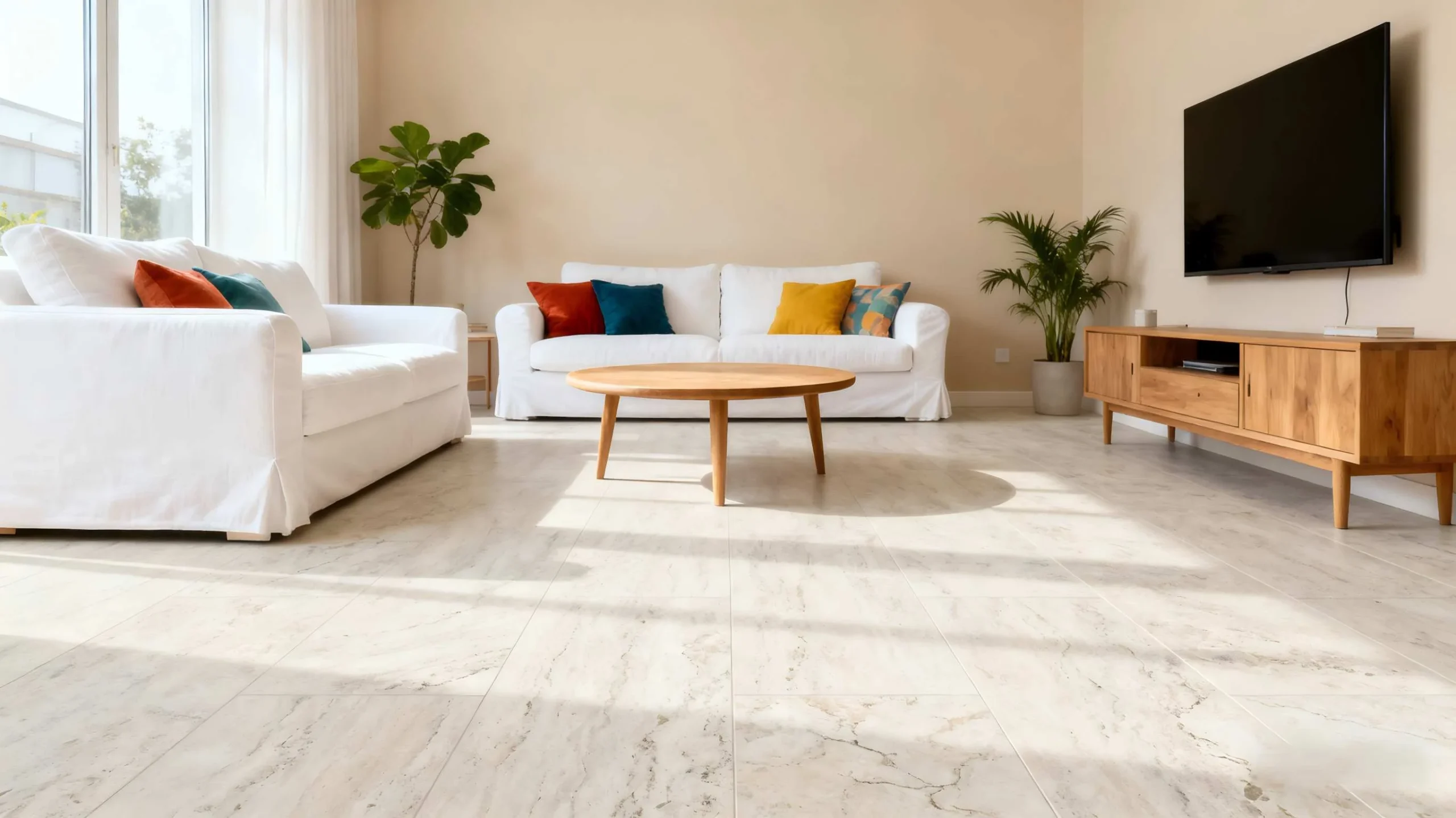
SPC isn’t just another option. It’s a workhorse disguised as luxury. Homeowners rave about it. Shop owners do too. And for good reason. Here’s the rundown on what makes it shine.
Unbeatable Water Resistance
Spills happen. Kids splash. Pets track in puddles. SPC laughs at moisture. Its dense core is about 80% stone. That blocks water penetration completely. No swelling. No mold. In fact, tests show it holding up under full submersion. That’s over 24 hours. Kitchens, bathrooms, basements? They’re prime real estate for this stuff.
Durability That Lasts
That wear layer isn’t kidding around. A 0.5mm version can handle 20,000+ rotations on an abrasion tester. That’s per industry standards. It’s enough for high-traffic spots like hallways or waiting rooms. It’s got give too. The slight flex absorbs impacts. Think dropped pots or rolling office chairs. One family in Florida swapped out their old vinyl after Hurricane Ian’s flood. Three years later? Not a single dent.
Comfort and Quiet Underfoot
Foam-backed options muffle footsteps better than hardwood. They cut noise by up to 20 decibels. It’s not carpet-soft. But that subtle bounce feels kinder on joints than cold tile. It’s great for open-plan homes. Echo used to drive everyone nuts there. Now? Not so much.
Easy on the Wallet and the Planet
Upfront, it’s mid-range. Say $2 to $5 per square foot installed. But factor in longevity. That’s 20-30 years easy. And it pays for itself. Plus, no VOCs means cleaner air. Landfills like it too. Those boards break down without the toxins.
To sum it up quick, here’s a snapshot:
Pro Why It Matters Real-World Win
100% Waterproof No warping or mold in damp areas Kitchen renos that survive family feasts
High Scratch Resistance Stands up to daily wear Busy offices with constant foot traffic
Quick Install DIY-friendly, no glue mess Weekend projects that don’t overrun
Eco-Friendly Zero formaldehyde, recyclable Healthier homes for kids and pets
These aren’t pie-in-the-sky claims. They’re backed by everyday use. Lab tests mimic years of abuse in weeks too.
The Cons of SPC Flooring: Keeping It Real
Nothing’s perfect, right? SPC has its quirks. Knowing them upfront saves headaches. It’s not a cure-all. But for most folks, the upsides tip the scale.
Firmer Feel Than Alternatives
SPC’s stone core makes it rigid. That’s great for stability. But it lacks the plush give of carpet or cork. If you’re on your feet all day—like in a retail store—that hardness might wear on you. It could happen after hours. A quick rug can soften it up, though.
Higher Initial Cost
Compared to basic vinyl sheets, SPC runs pricier. That’s due to the premium materials. Expect $3-4 per square foot for quality planks. Plus underlay if needed. But skimping on cheap imports? You’ll regret it. Edges warp. Colors fade fast.
Surface Care Matters
While tough, it’s not invincible. Sharp heels or dragging furniture can gouge the finish. That happens over time. And heat? Direct sun might fade colors in sunny rooms. UV coating helps. But south-facing windows call for blinds.
Limited Refinishing Options
Unlike real wood, you can’t sand and restain SPC. Once it’s scuffed beyond repair, replacement’s the play. That said, with proper care, most see decades of service.
Short version in bullets:
- Harder surface: Less forgiving for bare feet or joints.
- Upfront expense: More than budget vinyl, less than solid oak.
- Maintenance tweaks: Avoid extremes in heat or abrasion.
- No easy refinishing: Swap planks as needed, not refinish the whole floor.
These gripes? They’re minor for high-traffic warriors. But they’re worth weighing. Especially if comfort’s your top priority.
SPC Flooring in Homes: Cozy, Tough, and Family-Proof
Homes aren’t showrooms. They’re chaos zones. Think muddy boots in the foyer. Or bath-time floods. SPC steps up here big time. Its waterproof edge makes it a no-brainer for playrooms or laundry nooks. And the looks? Wood-look planks like warm oak or rich walnut. They blend right into farmhouse chic. Or modern minimalism.
Take Sarah. She’s a mom of two in Seattle. Her old laminate buckled under the rainy climate’s humidity. She went SPC with a pecan finish. Subtle grains hide crumbs. And she hasn’t looked back. "The kids wrestle on it now," she says. "No worries." Data backs her up. SPC reduces slip risks by 30% when wet. That’s per safety studies. It keeps tumbles at bay.
For basements or sunrooms, the thermal stability shines. It conducts heat evenly from underfloor systems. It warms up fast. No hot spots. And noise? That foam back quiets kid stampedes. It turns upstairs rumbles into whispers.
Bottom line: If your home sees spills, scuffs, or small feet, SPC’s pros and cons tilt firmly toward "yes." It’s practical. It doesn’t sacrifice style either.
SPC for Businesses: Where Foot Traffic Meets First Impressions
Offices, cafes, gyms—businesses demand floors that take a beating. Yet they need to look sharp. SPC delivers. Its commercial-grade wear layers go up to 0.7mm. They handle thousands of steps daily. They outlast laminate by double in wear tests. Retail spots love the variety. Herringbone patterns for boutique flair. Or stone grains for industrial lofts.
Consider a boutique hotel in Chicago. Post-renovation, they laid SPC in walnut tones. That’s across lobbies and halls. Guests spill coffee. Carts roll over it. Zero callbacks. The fire rating—B1 level—self-extinguishes in seconds. It meets codes for public spaces. And the antibacterial surface cuts cleaning crews’ time.
Cost-wise, it’s a smart play. Low install fees mean quicker ROI. The seamless look boosts that pro vibe. All without the premium price tag. Drawback? In super-high-impact zones like gyms, add rugs for extra grip. But overall, for businesses chasing durability and design on a dime, SPC’s a solid bet.
Spotlight on Lanhe Flooring: Your Go-To SPC Partner
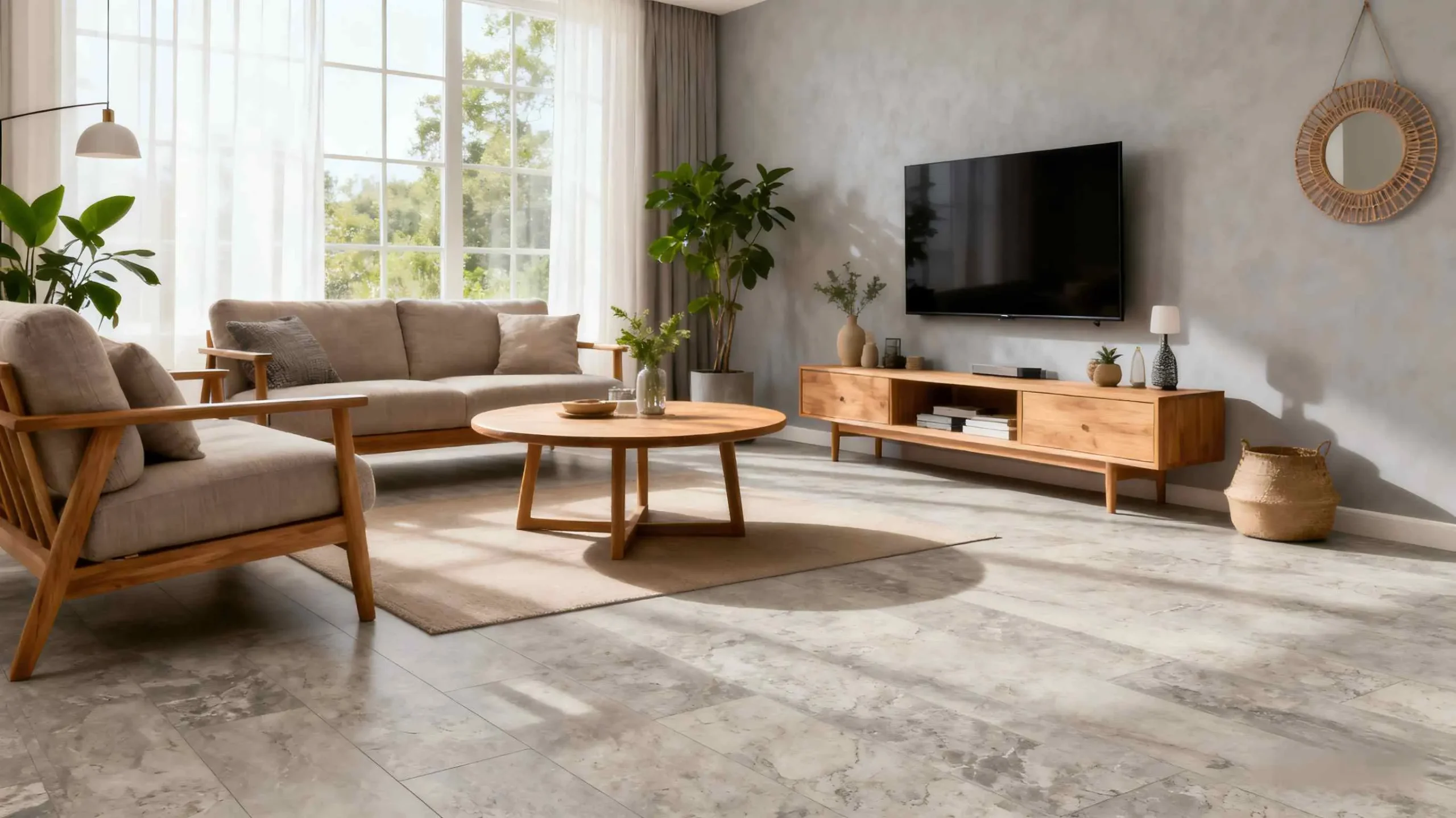
When it comes to sourcing top-notch SPC, Lanhe Flooring rises above the pack. Based in Shandong, China, this exporter crafts planks with precision. They blend 100% virgin PVC cores with calcium powder. That gives unmatched stability. They’ve got the creds. FloorScore and CE certified. Every board meets North American and European standards. Low emissions. Longevity.
What sets them apart? A full-spectrum approach. From raw material picks to final QC checks. That includes VOC tests. And impact trials. Exporting to spots like the U.S., Europe, and Australia. Lanhe offers customizable lines. Think Oak 31801 for that classic warmth. Or Pecan 31806 for rustic charm. All in thicknesses from 4mm up. With IXPE backing for quiet steps. Their team’s all-in on sustainability too. They recycle scraps. They dodge heavy metals. If you’re building or refreshing, Lanhe’s got the stock. And the support. To make it seamless.
Wrapping It Up
SPC flooring’s pros and cons paint a picture of a versatile champ. Waterproof. Durable. Easy-going. With just enough caveats to keep choices honest. For homes craving low-fuss beauty. Or businesses needing reliable style. It often hits the mark. Weigh your space’s demands. Heavy traffic? Go thick. Cozy corners? Add foam. Either way, it’s a forward-thinking floor. It stands the test of time. Ready to step up? Dive into options. See how it fits your world.
Frequently Asked Questions
What are the main pros and cons of SPC flooring for a family home?
The pros shine in everyday resilience. Full waterproofing keeps kitchens and baths worry-free. The tough core handles kid chaos without dents. On the flip side, its firmer feel might call for area rugs in lounging spots. And it’s a tad pricier upfront than basic vinyl. Still, for busy households, the long-term ease wins out.
Is SPC flooring right for my business office—considering the pros and cons?
Absolutely, if traffic’s steady. Pros like superior wear resistance and quick installs mean less downtime. Stylish grains impress clients too. Cons? It can feel hard under desks all day. So pair it with mats. Businesses see it pay off in durability. That outpaces laminate.
How does SPC flooring’s waterproof pro stack up against its other cons?
That waterproof edge is a standout. No swelling in humid spots like basements. It overshadows minor cons. Like occasional fading in direct sun. Curtains fix that. Or the need for careful dragging of furniture. It’s why SPC’s a go-to for moisture-prone areas.
Can I install SPC flooring myself, weighing the pros and cons?
Sure. The click-lock pro makes it DIY-friendly. It saves on labor. Just note the con. Uneven subfloors might need leveling first. With tools and a level, most wrap a room in hours. It turns a chore into a win.
What’s the expected lifespan of SPC flooring, pros and cons included?
Expect 20-30 years with normal use. Thanks to the durable wear layer pro. The main con? Surface wear in extreme spots might shorten that. But proper care—like sweeping grit—keeps it fresh. It’s built to last. Not just look good.
