

Walk into almost any apartment community—whether it’s a brand-new handover or a building that’s been rented out for years—and you’ll hear the same concerns over and over again. Someone upstairs walks too loudly. Chairs scrape across the floor. A spilled drink ruins a section of laminate that now needs to be replaced. When units turn over quickly and tenants change every year or two, flooring becomes one of the biggest ongoing expenses for building owners.
This is exactly why SPC flooring has become a talking point in development meetings. It’s not because it looks trendy, although the designs have improved dramatically. It’s because SPC solves several practical problems that apartment operators deal with every single day: noise, durability, and maintenance between tenants.
In multi-story housing, one small flooring weakness can turn into dozens of complaints. SPC, with its rigid core and sound-absorbing backing, has slowly moved from “just another material option” into something developers request by default—especially for projects where quiet living and long-term wear matter more than anything else.
Why SPC Flooring Fits the Way Apartments Are Really Used
Developers and property managers generally care about four things:
Fewer noise complaints
A floor that doesn’t fall apart from everyday use
Low replacement and maintenance costs
Fast turnover during renovation cycles
SPC flooring ticks each of these boxes, and not only in theory. Contractors and owners with hundreds of units have seen the difference firsthand.
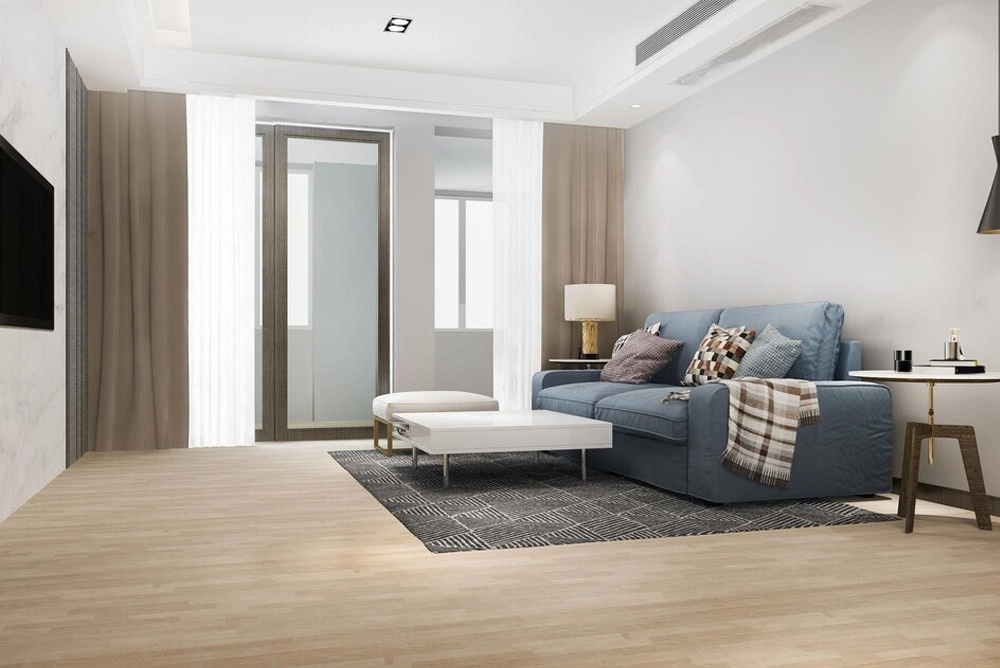
Cutting Down Noise in Multi-Story Buildings
Ask any leasing office what tenants complain about most, and you’ll hear the same answer: upstairs noise.
Laminate often sounds hollow. Tile feels hard and loud. Hardwood looks nice but transmits impact noises easily. SPC has a different structure, and that changes the sound profile:
• The rigid stone-polymer core dampens impact
It simply doesn’t vibrate as easily as thinner materials.
• Attached IXPE/EVA pads soften footstep sound
This small layer makes a big difference in apartments with kids, pets, or heavy walkers.
In older buildings, switching to SPC has noticeably reduced the “echoing tap” tenants often describe. It’s not magic—soundproofing is more complex than that—but the improvement is enough to reduce complaints.
Lower Maintenance and Long-Term Cost Control
Apartment floors take a beating. Furniture drags. Tenants mop the wrong way. Someone spills a drink and doesn’t clean it. Moving crews scratch the surface while carrying a sofa.
SPC flooring handles these real-world moments far better than laminate or hardwood:
• 100% waterproof
Kitchens, laundry corners, and even balcony entrances stay stable.
• Wear layers that actually protect
A 0.3–0.5 mm layer is usually enough for multi-tenant traffic.
• Strong resistance to dents and scratches
Especially compared with conventional laminate.
• Easy replacement of individual planks
This matters a lot for rental units—no one wants to redo an entire room because of a small damaged spot.
When a developer spreads these savings across hundreds of apartments, the difference becomes significant.
Faster Renovations Between Tenants
Time is money, especially during tenant turnover. Tiles require drying time and careful leveling. Hardwood involves lengthy installation and finishing. Laminate needs delicate handling to avoid swelling at the edges.
SPC is comparatively simple:
- Click-in systems cut installation time dramatically
- No messy glue or grout
- Contractors can finish a unit and have it ready the same day
On large renovation jobs, contractors often say SPC helps them finish buildings “weeks earlier” than with tile.
SPC vs. Other Common Apartment Flooring Options
Different materials all have their strengths, but apartments place unique stresses on a floor. Here’s how SPC typically compares in those settings:
| Material | Noise Control | Waterproof | Durability | Repair Cost | Apartment Fit |
| Laminate | Poor | No | Scratches easily | Medium | Average |
| Tile | Good | Yes | Hard but cracks | High | Good but slow install |
| Hardwood | Moderate | No | Scratches & dents | High | Beautiful but fragile |
| SPC Flooring | Strong | Yes | Resilient & stable | Low | Excellent |
SPC finds a balance that few other materials achieve.
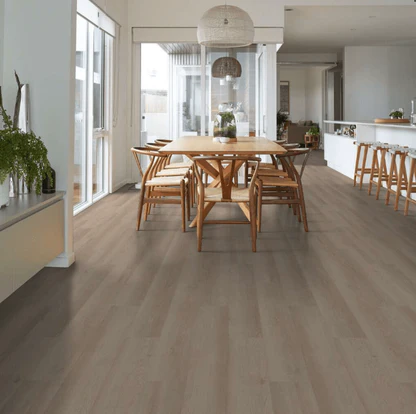
Where SPC Flooring Performs Especially Well in Apartments
Bedrooms & Living Areas
People notice quiet floors most in these spaces. SPC reduces sharp step sounds and creates a comfortable walking feel.
Kitchens
Moisture, spills, cleaning chemicals—SPC handles it all without swelling.
Hallways & Entryways
These areas see rolling luggage, deliveries, and high foot traffic. SPC’s dense core reduces surface wear.
Rental Turnover Projects
Install fast, repair fast, and meet tight schedules during peak leasing seasons.
About Shandong Lanhe Import and Export Co., Ltd.
Shandong Lanhe Import and Export Co., Ltd. has developed a strong reputation for producing SPC flooring with reliable consistency—something B2B buyers value more than anything. Their production setup includes automated lines for mixing, pressing, profiling, and inspection, which helps maintain tight tolerances in locking systems and dimensions.
Over the years, the company has supplied flooring to clients in Europe, North America, Australia, Southeast Asia, and beyond. Buyers often point out two things: the designs look natural even under commercial lighting, and large orders maintain steady color and texture across batches.
For apartment developers, that consistency matters. A building with 300 units needs 300 matching floors—not a collection of slightly different shades. Lanhe’s stable output and broad décor selection make it easier for project teams to stay on schedule and keep their materials uniform.
Conclusion
Apartment buildings are tough on flooring. People move in and out. Furniture gets dragged. Water ends up where it shouldn’t. And noise travels more than anyone likes to admit. For developers who want fewer complaints and fewer surprise repair bills, SPC flooring has become a practical long-term choice.
Its rigid structure softens noise, its waterproof core handles tenant mishaps, and its wear layer stands up to repeated use. Combined with fast installation and straightforward repairs, it’s easy to see why SPC keeps showing up in new apartment plans.
Shandong Lanhe Import and Export Co., Ltd. provides the kind of stable production and quality consistency that large residential projects depend on—helping developers lower lifetime flooring costs while delivering comfortable, durable units for tenants.
FAQs
Why is SPC flooring popular in apartments with frequent noise complaints?
Because the dense core and underlayment reduce the sharp tapping sound that laminate floors often create, SPC helps quiet down multi-story units.
Does SPC flooring handle rental wear and tear better than laminate?
Yes. The rigid core makes it resistant to dents and scratches, and the wear layer holds up well under constant foot traffic.
Is SPC flooring fully waterproof?
It is. This makes it particularly useful in kitchens, entryways, and other areas where spills and moisture are common.
Can damaged SPC planks be replaced easily?
In most cases, yes. Click-lock systems allow single-plank replacement without redoing the entire room.
Does Lanhe supply SPC flooring for large apartment projects?
Yes. Their stable production system and consistent batch quality make them suited for multi-unit orders where matching colors and strong locking systems are essential.
