

What Should Buyers Confirm When Ordering Custom Size Laminate Flooring
A request for “custom laminate, 1200 × 180” leaves several important decisions open. Is the unit millimeters? Does the stated size include the click joint? What tolerance is acceptable, and which decor, core and thickness should the sample represent? Buyers can avoid costly revisions by setting these details before approving a custom production run. Lanhe’s […]
How Should Buyers Choose Skirting Profiles for SPC and Laminate Flooring Projects
Selecting skirting for SPC and laminate flooring takes more than a matching color. A profile must cover the floor perimeter, fit past door casings and work with the actual wall condition. In mixed-floor projects, the same trim name may hide different installation details. The examples below are practical buying scenarios, not Lanhe customer projects. The […]
Matching Flooring Accessories for SPC and Laminate Projects
The following is a method example, not a Lanhe project. A plan shows one level doorway between SPC and laminate and another opening with a step. The profile question is geometric before it is visual. Mark both joints, measure finished surfaces and keep the floor build-up in the drawing. In the same method example, the […]
How Should Buyers Evaluate Stain Resistant SPC Flooring Before Ordering
A method example makes the gap in “stain resistant” easy to see. Imagine an RFQ with two candidate lines: “matt, 0.3 mm wear layer” and “high gloss, 0.5 mm wear layer.” They are not a fair performance comparison until decor, core, backing and sample reference are also stated. The example is a purchasing exercise, not […]
How Does HDF Moisture Conditioning Affect Laminate Flooring Click Milling
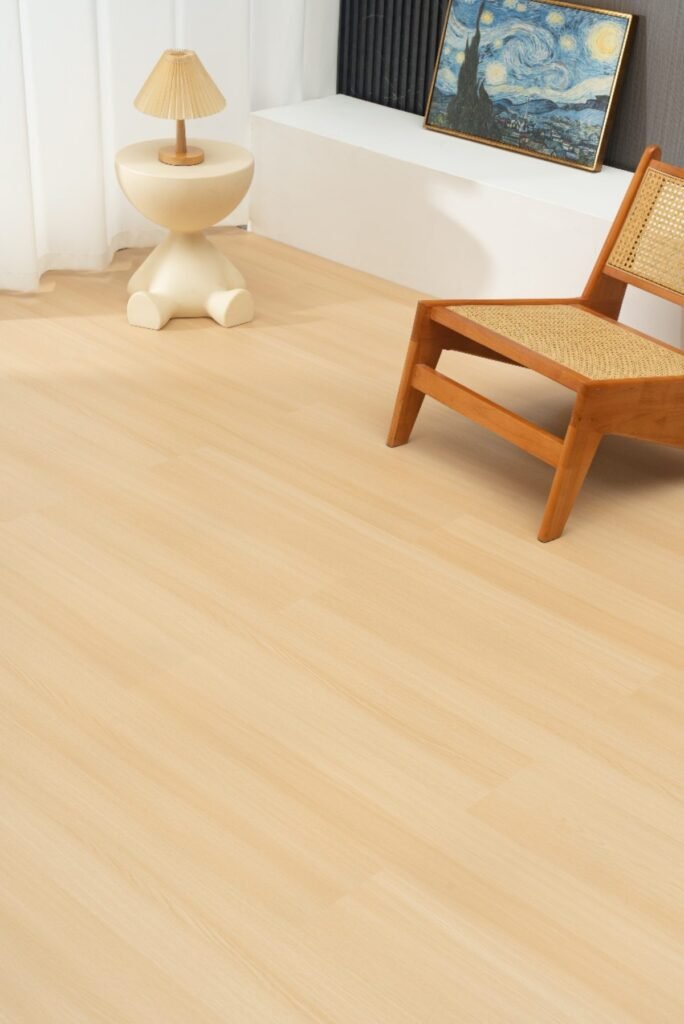
Laminate flooring buyers often focus on thickness, AC rating, décor, and price. Those specifications matter, but the condition of the HDF board before edge profiling can also determine whether finished planks lock together cleanly. HDF contains wood fibers and resin, so its moisture condition changes how the board machines, holds a click profile, and responds […]
How Do SPC Flooring Factories Control Carton Strength and Pallet Stability Before Container Loading
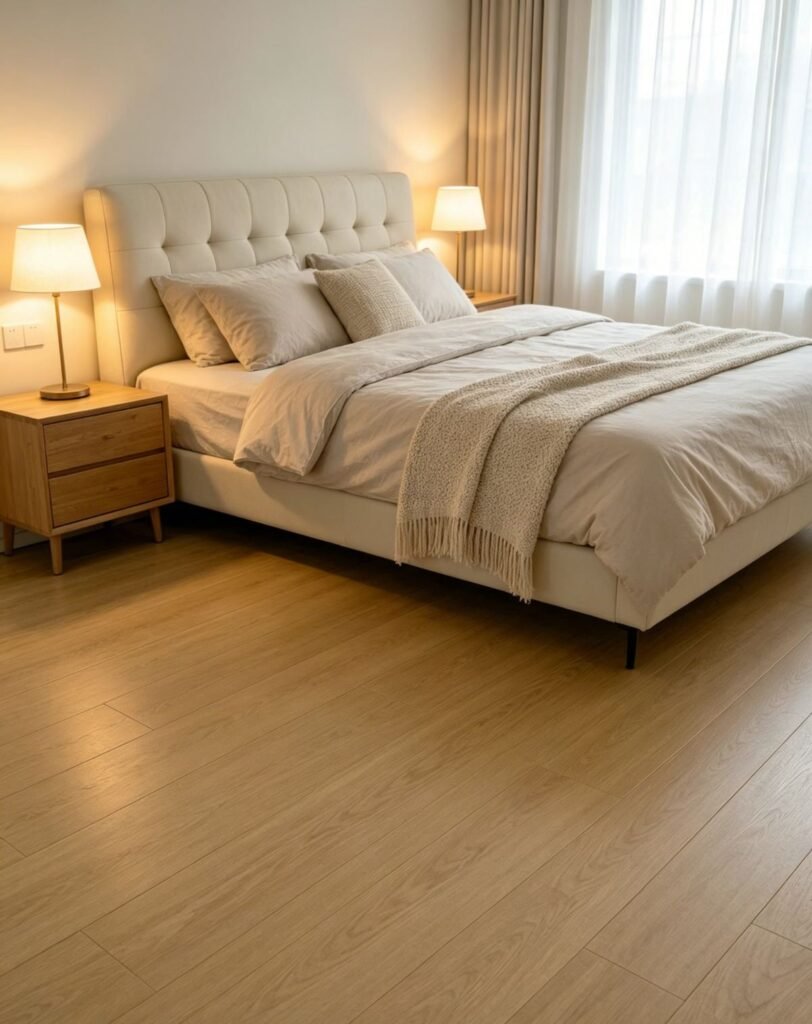
SPC flooring quality can be confirmed at the plank level and still be damaged before it reaches the buyer if cartons are weak, pallets are unstable, or different lots are mixed during loading. For importers, distributors, and project buyers, export packaging is part of product control because it protects edges, preserves labels, and keeps the […]
Cork-Backed SPC Flooring: Key Specifications Buyers Need to Check
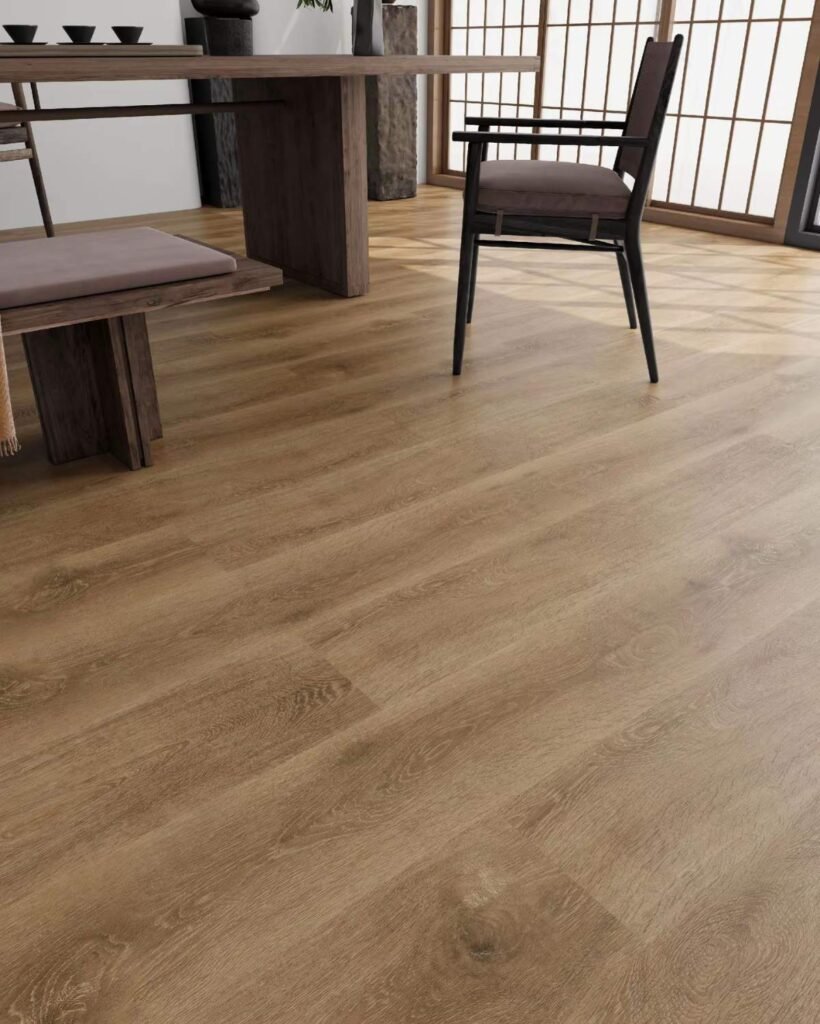
Cork-backed SPC flooring combines a rigid stone-plastic composite plank with a cork underlay on the reverse. It can appeal to buyers developing residential, apartment, or hospitality collections where sound and walking comfort matter. Yet “cork-backed” tells a supplier very little about the finished product. A buyer still needs to establish the backing thickness, bonding method, […]
Micro V-Groove vs Painted Bevel vs Square Edge SPC Flooring: Which Edge Profile Should Buyers Specify?
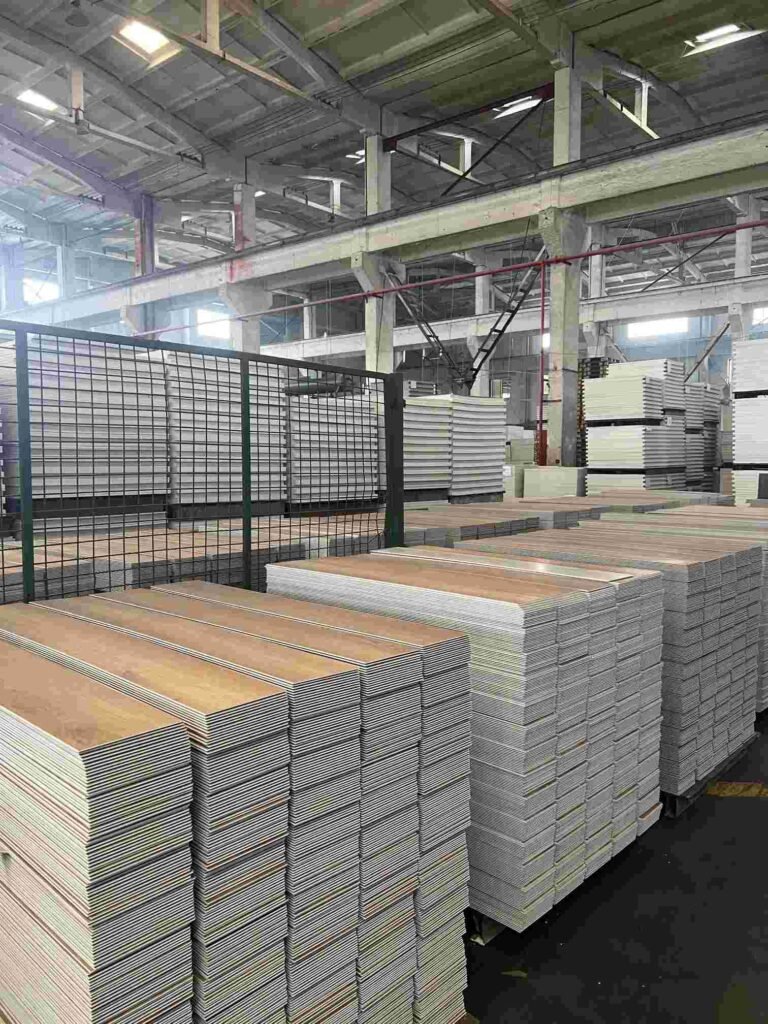
When buyers source SPC flooring, attention often goes first to plank thickness, wear layer, décor, and click system. Edge profile may seem like a smaller specification, but it can noticeably change how the installed floor looks and how clearly individual planks are defined. Micro V-Groove, Painted Bevel, and Square Edge create different visual effects and […]
Why SPC Flooring Click Locks Break or Separate: Factory Causes, Installation Causes, and How to Test Them
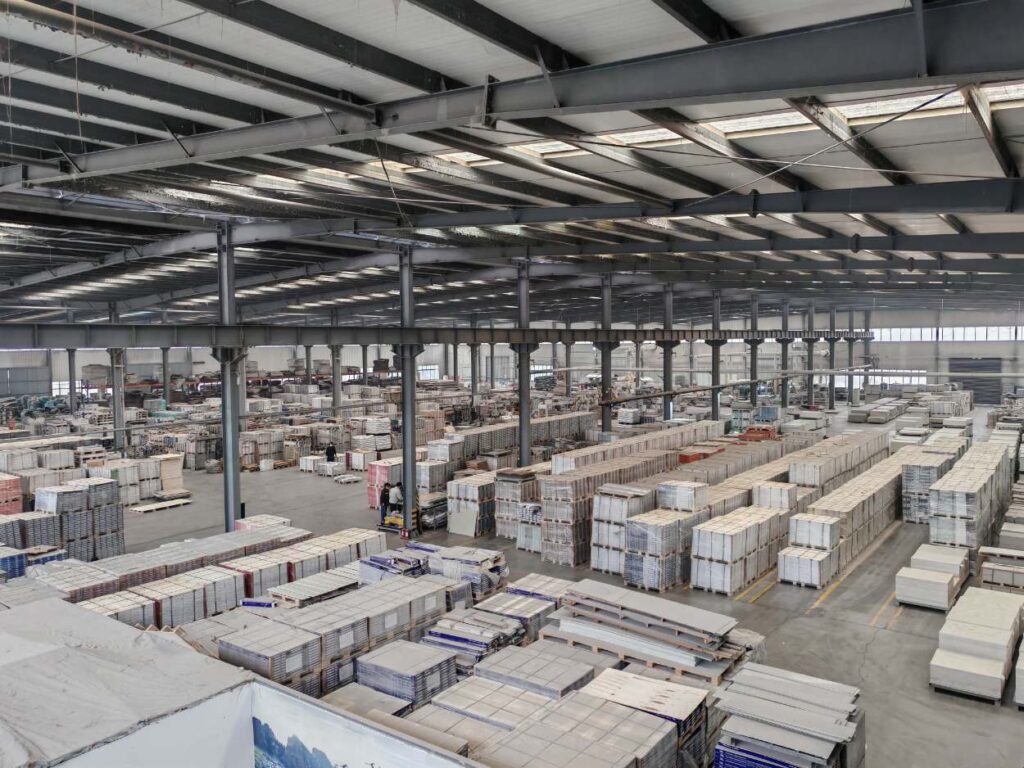
SPC flooring is widely loved because it features a solid rigid core, excellent water resistance, and a fast floating installation method. However, broken click edges, open joints, or separated planks can still happen. These issues usually appear when the locking profile, core formulation, subfloor preparation, transportation, or installation techniques lack proper control. For homeowners, this poor […]
OEM Laminate Flooring: From Décor Sample and Golden Sample to Private-Label Container
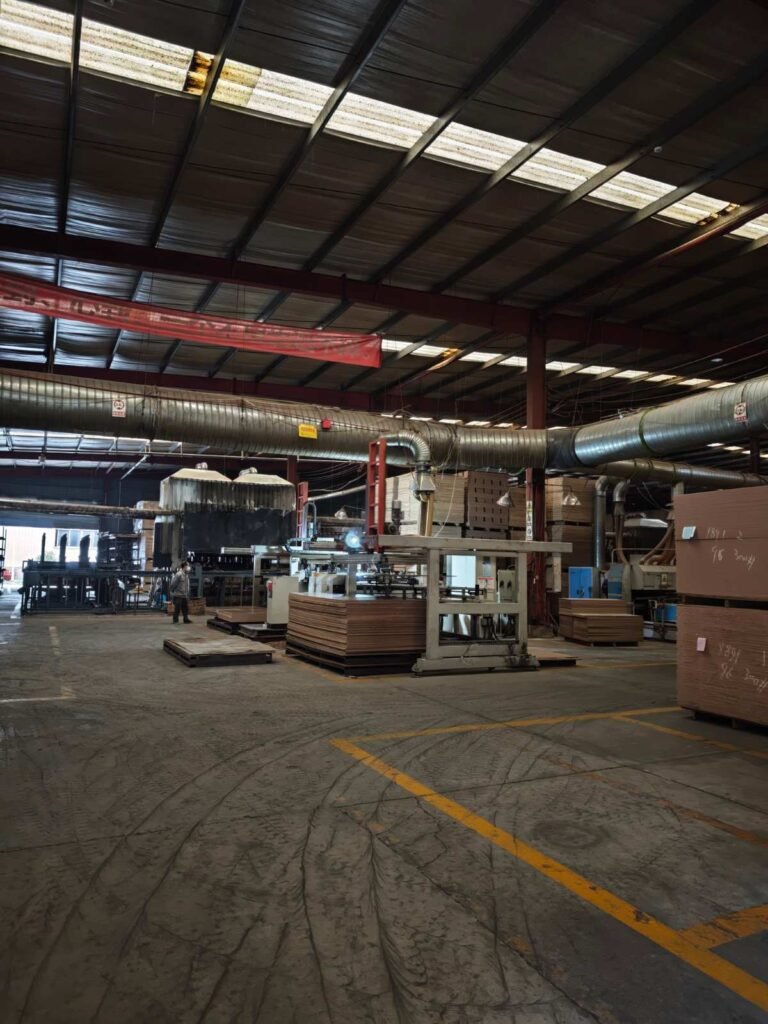
OEM laminate flooring gives importers, distributors, retailers, and building-material brands the chance to introduce custom collections. They can do this without running their own factories. The whole process, though, requires much more than just picking a wood color and adding a logo. You have to approve many details. These include core density, wear class, surface texture, […]