Picture this. You’ve just put down a new batch of laminate planks in your living room. The wood-like shine catches the afternoon light. Everything clicks together nice and easy. But the first time you step across it barefoot? That empty thud echoes back from the walls. Every footfall reminds you of the hard concrete underneath. Or even worse, a spill in the kitchen soaks in. Suddenly, you’re looking at curled-up edges. It’s annoying, isn’t it? These issues often point back to one forgotten part: underlayment.
As someone who’s fixed up a couple houses myself—starting with a squeaky old place in Ohio—I can say underlayment isn’t mere stuffing. It’s the steady helper that makes your floor hold up better. It feels nicer too. And it works just right. In this post, we’ll go over it step by step. What underlayment really does. Why passing it up is a bad bet no wise homeowner makes. And how to choose the best one for your spot. Whether you’re handling a quick DIY job over the weekend or calling in pros for a big overhaul, nailing this pays big. Let’s get into it.
What Exactly Is Underlayment, Anyway?
At its heart, underlayment is that slim sheet—often foam, felt, or rubber—that goes between your base floor and the new covering above. Think of it like the soft pad on your bed. You don’t see it much. But it shifts how the whole thing feels.
Years ago, people could skip it on sturdy hardwood over even beams. But now, with floating setups like laminate or stone plastic composite (SPC), it matters a lot. Why? These floors hover without glue or nails. So they count on something to cover cracks. It soaks up shifts too. And it takes the everyday wear.
I’ve watched it happen on work sites. A pal of mine left out underlayment on a laminate job in a damp basement. Half a year on? The boards warped from water creeping up. Stats from the National Wood Flooring Association prove it. Good underlayment can slash water-caused breakdowns by more than half in tough spots. It’s no frill. It’s real work.
Options for materials differ. But everyday picks include foam rolls (like polyethylene). Cork adds a natural touch. Or recycled rubber fits green projects. Thickness goes from a thin 1mm to a plush 3mm or thicker, based on what you need. Just unroll it smooth before the big lay. And you start with a better base right away.
Why Underlayment Deserves the Spotlight in Every Flooring Job
You wouldn’t set up a porch without supports, would you? Underlayment fills that key spot here. It stops headaches quietly. Those could run you hundreds to fix later. Let’s look at the main perks.
Taming the Noise: Say Goodbye to Echo Chambers
Nothing ruins the warm vibe quicker than steps that ring like in a big empty barn. Underlayment acts as your quiet shield. It cuts vibrations before they build into clatter.
Consider a usual family house. Kids dash room to room. Or you shuffle to the coffee pot at first light. No padding means laminate boosts thumps by 15-20 decibels. That’s loud enough to stir the folks next door, say sound tests from floor experts. But toss in a solid foam sheet. And that noise falls fast. Dense picks like IXPE (cross-linked polyethylene) can trim up to 22 dB. So living above feels miles from below.
On my last house flip, we added it under SPC in an upstairs play spot. The change? Before, a toy drop boomed like a storm. After? Just a dull pat. Hardly there. These tiny tweaks make a place feel right.
Locking Out Moisture: Your Floor’s First Line of Defense
Water sneaks in quiet. It rises from cellars or splashes from counters. Underlayment with a steam block (usually plastic film inside) stops that creep. It keeps your spend safe and dry.
Field numbers show water sparks 70% of early floor gripes, per reports from top fitters. But match your boards with a water-tough underlay. And you’re set. EVA foam pushes back liquid. It bends easy too. Perfect for baths or wash areas where drips happen often.
I recall a customer in Florida. Her garage gym flooded. The underlayment we picked—edges sealed tight—kept the SPC from wrecking. A fast dry. And it bounced back. No big fuss.
Elevating Comfort: That "Just Right" Feel Underfoot
Ever plant your feet on chill tile in winter and shake? Underlayment brings heat and bounce. It turns stiff bases into spots you want to linger.
Heat hold-back counts big. A 2mm sheet can lift floor warmth by 5-10 degrees in cool rooms, note energy checks. And the give? It spares your knees and back. Fine for those up and moving all day. Rubber kinds lead here. They take hits like a small springboard.
For folks in flats, it’s a real boost. One sheet. And yoga flows don’t jolt. Truth is, during a Chicago freeze, my padded floors felt kind. Not harsh.
Smoothing Out Imperfections: Leveling for Longevity
Base floors don’t stay even always. Low spots from house settling. Or bumps from past stick-downs. Underlayment patches those dips. It stops rattles, splits, or quick rub-off.
Experts shoot for no more than 3/16-inch wobble over 10 feet. More than that, and your floor battles itself. A tough pad smooths it. It spreads load so boards grip firm. In the long run, this drops break risks by 40%, from rub trials by floor techs.
I’ve fixed many bumpy slabs. First with flat-out mixes. Then underlayment over. The payoff? Floors that slide easy. Not scrape.
Picking Your Underlayment: A Quick Guide to the Options
Not every underlay fits the same. Pick to match your room. And skip the what-ifs. Here’s the basics:
Type Key Material Best For Thickness Range Price Range (per sq ft)
Foam Polyethylene (PE) or IXPE Budget installs, noise control 1-3mm $0.10-$0.30
Felt Recycled fibers Natural look, moderate cushion 2-4mm $0.20-$0.50
Rubber Synthetic or cork-rubber blend High-traffic, comfort focus 2-5mm $0.30-$0.60
EVA Foam Ethylene-vinyl acetate Moisture-prone areas, SPC pairing 1.5-3mm $0.15-$0.40
Foam takes the cake for all-around use. It’s light. Cuts simple. And lays quick. Felt scores points for earth-friendly folks. Rubber? Too much for sleep rooms. But just right for workout zones. Look at guarantees as well. Lots call for set underlays to keep cover.
Quick hint: For laminate, stick to slim cuts. That way the snap stays tight. SPC takes fuller ones fine. Its stiff middle handles it.
Tailoring Underlayment to Laminate vs. SPC: What Fits Best?
Laminate and SPC both hover. But they act different. Laminate’s fiber core wants a gentle hand. SPC’s rock-plastic frame needs sturdiness.
For laminate, a plain foam underlay (1-2mm) does great. It quiets the usual "drum" sound. No squish on the boards. Lay it over wood sheets or cement. And it hides small lows. In a bright eat-in spot, this held our laminate steady. No base lines showed after two years.
SPC stands strong and dry-proof. So it mates well with stuck-on underlays like IXPE or EVA. These glue right to the boards in many packs. They amp up quiet right away. For a lower-level watch room, we picked this. Zero wet fears. Plus the soft tread that pulls you into films.
No matter what, try a piece first. Stroll on it at the shop. If it misses, switch.
Nailing the Install: Tips to Get It Right the First Time
Here’s the upside. Underlayment goes down easy if you set up wise. No heavy gear past a sharp blade.
- Prep the subfloor: Brush it bare. Patch highs with filler. Seal gaps. Shoot for even in 1/8 inch over 6 feet. Grab a long level to test.
- Acclimate everything: Park planks and underlay in the space for 48 hours. Wet-dry jumps hurt most.
- Roll it out: Push edges close. No bunching unless told. Stick steam blocks with shiny tape for no leaks.
- Cut precisely: Size it twice. Mark with chalk. Tuck under doors an inch. Trim later smooth.
- Ventilate: Crack windows while working. Fumes from foams clear fast. Air helps more.
It runs an afternoon for 400 square feet. By yourself. I hurried a kitchen fix once. Forgot the tape. Dew built up by night. Took the point: Little steps count.Meet Lanhe Flooring: Crafting Accessories That Stand the Test

When it comes to sourcing underlayment that delivers, Lanhe Flooring steps up as a go-to supplier. Based in Shandong, China, with over a decade in the game, they’ve honed a lineup of floor accessories that blend durability with everyday smarts. Think high-density IXPE and EVA foams tailored for SPC installs—prepped for noise reduction and that smooth footfall you crave.
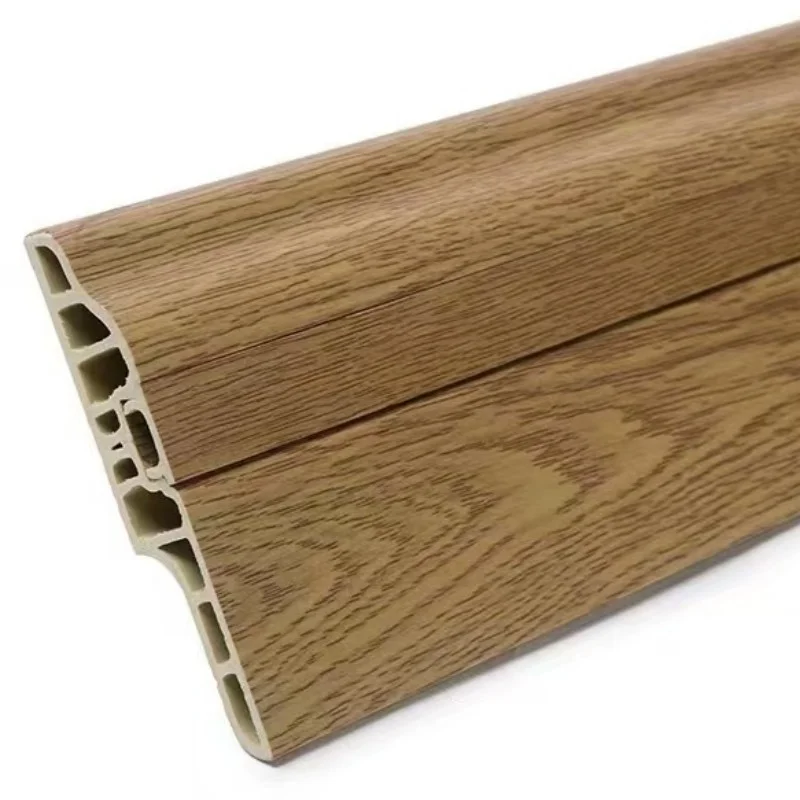
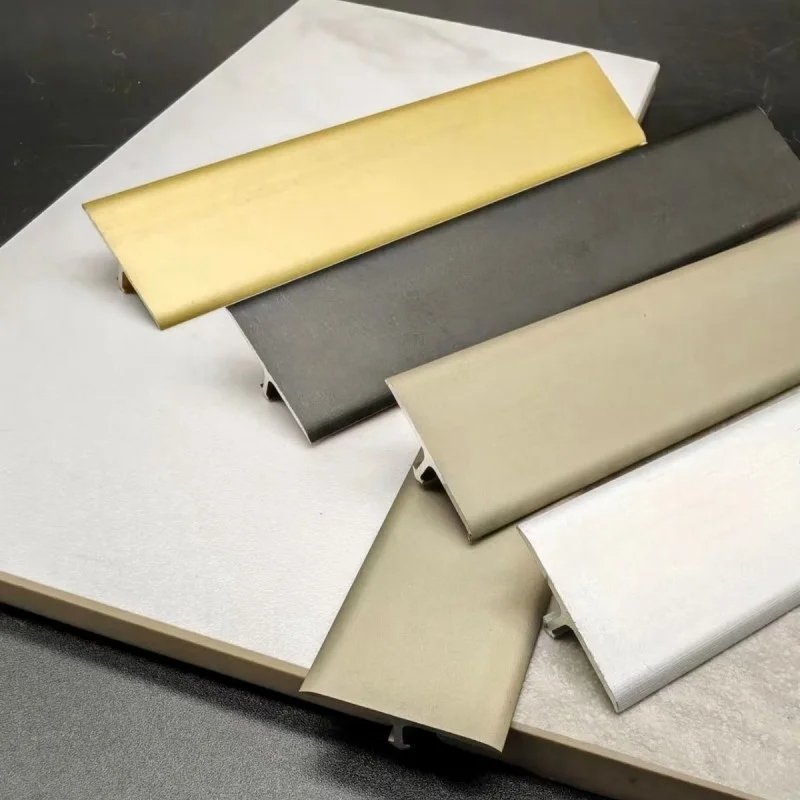
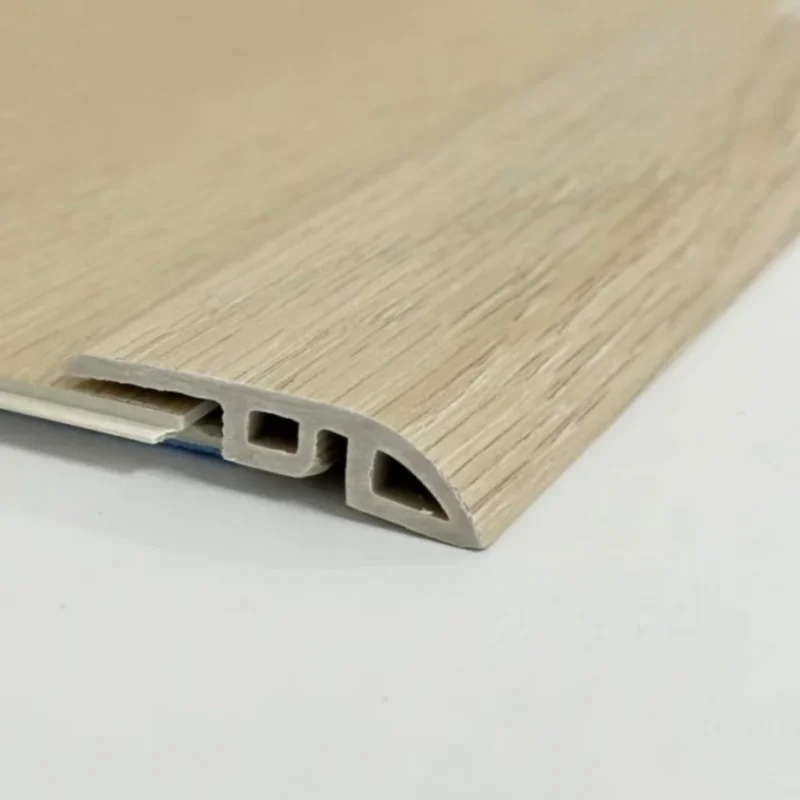
Their accessories go beyond basics too: T-mouldings for seamless transitions, reducers to bridge height gaps, and skirtings in 60mm or 90mm profiles to cap off edges with style. What sets Lanhe apart? Rigorous quality checks from raw materials to shipping, plus exports to spots like North America and Europe where picky pros demand the best. If you’re building or refreshing, their stuff holds up—I’ve seen their skirting shrug off bumps in high-traffic halls without a scratch. Reliable, no-fuss partners in making your floors shine.Wrapping It Up: Don’t Skimp on the Foundation
Underlayment might not grab headlines, but it’s the unsung star keeping your floors solid, silent, and snug. From muting morning rushes to shielding against spills, it turns potential pitfalls into peace of mind. Next time you’re eyeing new planks, grab that roll of foam—your future self will thank you. Ready to roll? Your dream floor’s just a layer away.
Frequently Asked Questions
What makes underlayment the most important flooring accessory you’ll buy?
It’s the buffer that tackles noise, moisture, and uneven spots all at once. Skip it, and you’re inviting echoes or early wear; get it right, and your floor lasts years with that premium feel.
How does underlayment work with SPC flooring specifically?
In SPC setups, it often attaches right to the planks—like IXPE foam—for built-in soundproofing and cushion. This combo cuts walking noise by up to 20 dB and adds elasticity, perfect for basements or busy family rooms.
Can I install underlayment myself, or is it pro-only?
Absolutely DIY-friendly. Just clean the subfloor, roll it out seam-to-seam, and tape the edges. I’ve done full rooms in a day—takes patience more than skill.
What’s the best underlayment type for moisture-heavy spots like kitchens?
Go for EVA or IXPE with a vapor barrier. These repel water while staying flexible, preventing buckles from spills. In humid climates, they’ve saved my installs from disaster more times than I can count.
Does thicker underlayment always mean better performance?
Not necessarily—thicker shines for comfort and noise in open spaces, but thinner keeps laminate stable. Match it to your floor type; for SPC, 2mm hits the sweet spot without over-cushioning.