

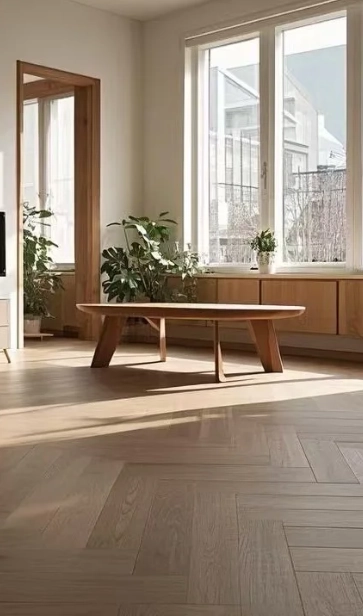
SPC flooring, short for Stone Plastic Composite flooring, is a rigid core vinyl flooring known for its strength, stability, and waterproof properties. SPC flooring is a type of rigid vinyl flooring made from a blend of limestone and PVC. Its core is dense and waterproof. This makes it ideal for kitchens and bathrooms. It’s known for being “tough as nails” against scratches and dents. The layered structure usually includes a UV coating, wear layer, decorative film, rigid SPC core, and an underlayment such as IXPE or EVA foam for sound absorption. This setup gives dimensional stability even under temperature changes.
When it comes to durability, SPC floors can handle heavy foot traffic and impact damage. Their stone composite core stops warping or swelling from moisture. This is a big plus over traditional wood-based materials. SPC flooring provides a good mix of durability and affordability. Costs range from $2 to $7 per square foot for materials in 2025. Compared with hardwood or laminate flooring, SPC works better in humid spots. At the same time, it keeps a nice look.
Benefits of Choosing SPC Flooring for Home Improvement
One main advantage of SPC flooring in home improvement projects is its waterproof quality. Unlike laminate or engineered wood floors that might soak up moisture, SPC’s solid core pushes water away fully. This fits well for kitchens, bathrooms, basements, and laundry rooms. Spills happen often in those places.
Ease of installation boosts its appeal too. Most SPC products have click-lock systems. Homeowners can put them in without adhesives or nails. Maintenance is simple. It just needs regular sweeping and occasional mopping. No waxing or refinishing is required.
For looks, modern SPC floors offer many finishes. They copy natural wood grains or stone textures in a very lifelike way. Shandong Lanhe Import and Export Co., Ltd provides various surface treatments. These include BP embossed, line embossing, EIR (Embossed in Register), coral texture, and lychee texture finishes. They match different interior styles. These choices help blend into both modern and classic spaces smoothly.
How Does SPC Flooring Compare to Other Flooring Options?
Hardwood flooring stays a classic pick. But it costs more in materials and care. Hardwood flooring runs $8–$15 per square foot. Meanwhile, SPC vinyl flooring stays between $2–$7. Hardwood needs regular refinishing to look good. It can get damaged easily by moisture or scratches.
SPC flooring gives a similar warm feel at about half the price. Plus, it is fully waterproof. Its firm build resists dents better than softwoods like pine or birch. Also, upkeep is low. There is no need for sanding or resealing. This makes it cheaper in the long run.
Comparison with Laminate Flooring
Laminate flooring has been liked for its low cost and style options for a long time. However, it does not have the toughness of SPC floors. Laminate flooring generally has four layers. The first is a wear-resistant layer made of aluminum oxide. The second is a decorative layer printed with wood grain. The third is a base material layer from medium- or high-density fiberboard. The fourth is a balance layer that stops deformation. While laminate has good surface protection from its melamine coating, its fiberboard base can swell with moisture.
SPC’s limestone-PVC composite fixes this problem completely. It handles humidity changes without gaps or warping. On top of that, SPC’s better impact resistance suits high-traffic spots. Think commercial lobbies or hallways. There, laminate might wear out quicker.
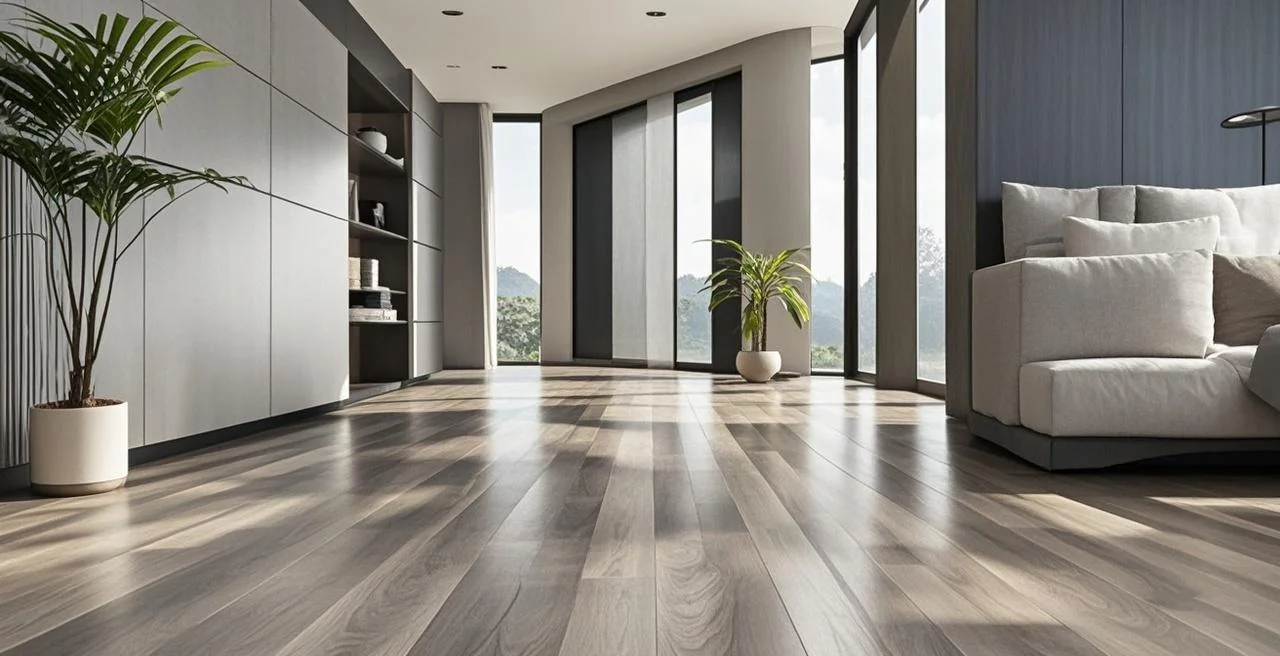
Why is SPC Flooring Ideal for Commercial Spaces?
Commercial settings need strong surfaces. They must last through constant use without losing looks. The wear layer thickness on SPC floors is usually between 0.3mm to 0.7mm. This boosts scratch resistance a lot. It ensures long life even with heavy items like office chairs or retail carts.
Noise reduction matters in commercial spots like offices or hotels. Many SPC products include IXPE or EVA underlayment pads. These range from 1mm to 2mm thick. They soak up sound well. At the same time, they make walking more comfortable.
Cost Efficiency in Commercial Applications
Besides performance perks, cost savings push its use in commercial projects. The mix of long life (up to 25 years residential warranty / 15 years commercial warranty) and low upkeep cuts down on replacements. It also reduces downtime. Buying in bulk lowers costs per unit. This helps in big setups like shopping centers or schools.
How is SPC Flooring Installed?
Installing SPC flooring uses simple steps. Even DIY fans can do it:
- Preparation – Make sure the subfloor is clean, dry, level, and free from debris.
- Acclimation – Let planks adjust to room temperature for at least 24 hours.
- Layout Planning – Measure the area carefully. Stagger joints between rows.
- Click-Lock Assembly – Align planks using Unilin Click Lock System or Valinge click mechanism provided by manufacturers like Shandong Lanhe.
- Edge Finishing – Trim edges neatly using spacers around walls.
- Final Inspection – Check alignment consistency before reinstalling baseboards.
Tools often needed include spacers, tapping blocks, measuring tape, utility knife, rubber mallet, and saws for trimming ends.
This floating installation method skips glue. It also allows easy take-apart for repairs later.
What Makes Shandong Lanhe Import and Export Co., Ltd a Reliable Supplier?
Shandong Lanhe Import and Export Co., Ltd is a production-export enterprise. It has a full and solid quality management system. With more than 15 years in making high-quality flooring solutions, including SPC floorings, the company uses advanced automated machinery. This covers all steps from raw material procurement to delivery inspection.
Their reach goes to North America, Europe, Australia, Southeast Asia, and more. This shows steady trust from clients worldwide. They value reliability and skill.
Product Offerings and Quality Assurance
Lanhe’s product lineup includes several types. These are wood grain designs like oak or walnut. There are also marble effects, herringbone patterns, and chevron layouts. All can be customized for project needs. Plank thicknesses go from 4mm to 8mm. Wear layers reach up to 0.70mm. This gives great durability for homes or businesses.
At Lanhe Flooring, we keep a strict quality control process. It ensures every piece of flooring meets top standards for durability, safety, and aesthetics. Their checks cover raw material selection. They include environmental testing (VOC compliance via FloorScore & CE certifications). Finally, they check packaging before shipment. This guarantees perfect delivery each time.
Conclusion: The Future of SPC Flooring in Home Improvement Projects
The growth in eco-friendly building practices increases demand for recyclable materials like SPC floors. They fit sustainability aims without cutting performance or looks. Tech improvements like EIR embossing keep making realism better than natural wood textures. This links function with smart design.
Rising buyer interest in waterproof options strengthens its place in modern home trends. Here, practicality joins elegance in a smooth way.
Long-Term Benefits for Homeowners and Businesses
For homeowners wanting real value with little upkeep costs, and for businesses focusing on smooth operations, SPC flooring shines as a smart buy. It mixes endurance with style options across many settings. These range from living rooms to hotel spots.
FAQs About SPC Flooring
Is SPC flooring suitable for all areas of the home?
SPC flooring works well in most home spots. This includes kitchens, bathrooms, and basements. Its waterproof traits ensure steady performance no matter the humidity.
How does the cost of SPC flooring compare to other types?
Upfront costs might top basic laminate. But savings on upkeep over time make it a strong value pick among high-end surfaces today.
Can I install SPC flooring myself or do I need a professional?
Easy click-lock systems let many homeowners install it on their own. Still, pros can ensure straight lines. This is helpful for big open areas that need even results.
