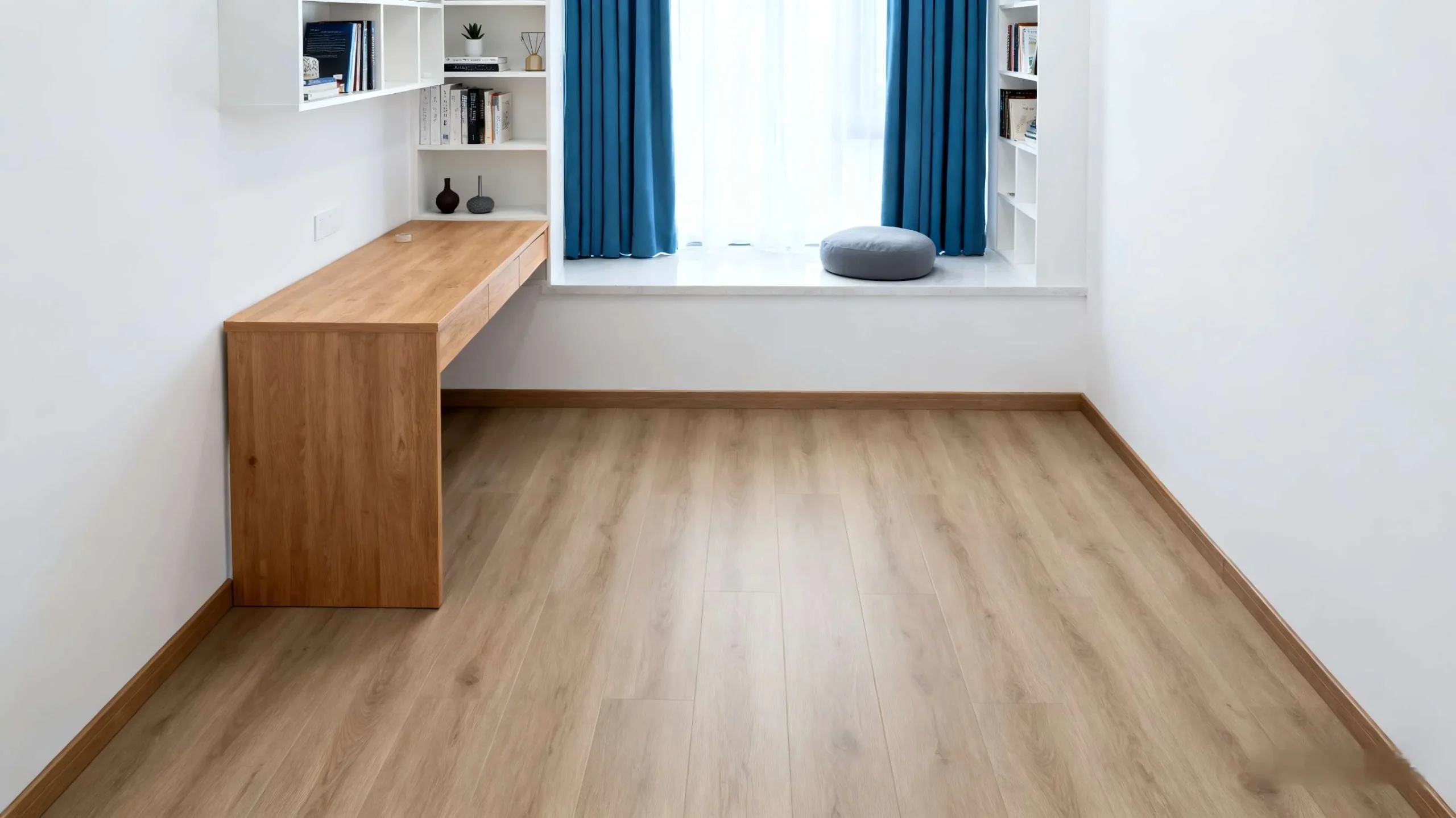
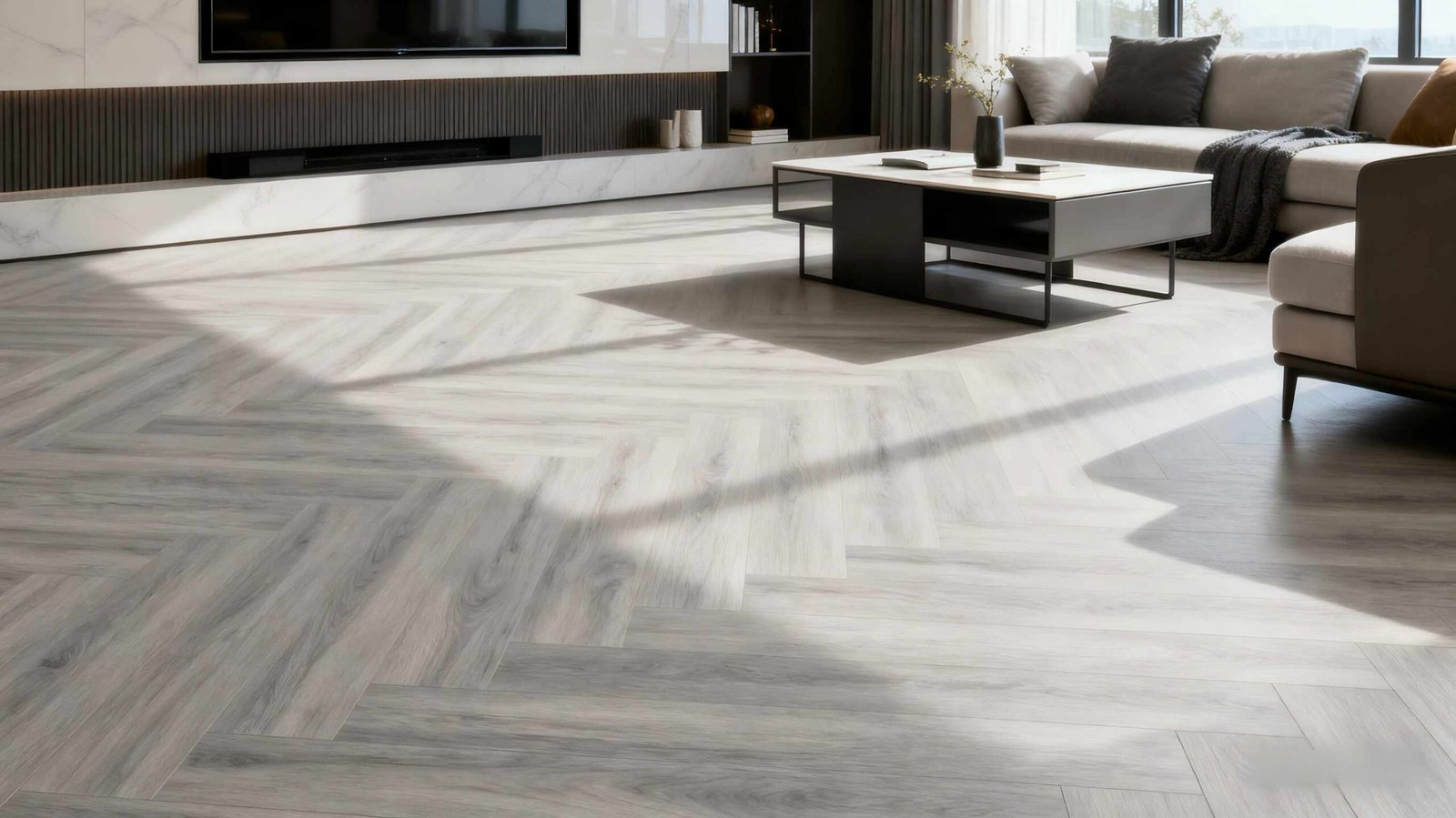
Picture this: You’ve just moved into that charming older home with character for days—exposed beams, quirky angles, and all. But then you step into the living room and feel it: a subtle dip underfoot, a slight buckle here and there. Uneven floors. They’re common in homes built before the 1980s, where settling soil or hasty original construction left behind a wavy subfloor. If you’re eyeing SPC flooring to freshen things up, you’re on the right track. Stone plastic composite planks bring that warm, wood-like look without the headaches of traditional hardwood. Yet, slapping them down on an imperfect base? That’s where things can go sideways fast—gaps, clicks that won’t lock, or planks that lift like they’re auditioning for a magic trick.
The good news? SPC flooring shines on uneven surfaces when you handle it right. It’s rigid yet forgiving, thanks to its stone-polymer core that hugs minor dips without cracking under pressure. In this post, we’ll break it down: from spotting trouble spots to nailing the install, all aimed at keeping your floor flat, your budget intact, and your sanity in check. Whether you’re a weekend warrior tackling the DIY route or calling in pros, these insights will steer you clear of the pitfalls that trip up 40% of uneven-floor projects, according to flooring installers who’ve seen it all.
Spotting the Uneven Floor Culprits: A Homeowner’s Guide
Uneven floors don’t announce themselves with fanfare. They sneak up, maybe as a wobbly table leg or that one spot where your coffee mug always slides toward the couch. These imperfections stem from a few usual suspects. Settling foundations top the list—think clay soil shifting under your house over decades, pulling slabs down by a quarter-inch or more in spots. Then there’s moisture mischief: basements prone to dampness swell subfloors, creating humps that laugh at level tools.
In older ranch-style homes, like those popping up in Midwest suburbs from the ’60s, you’ll often find joists that sagged under years of foot traffic and furniture hauls. Data from the National Association of Home Builders pegs about 25% of pre-1990 homes with noticeable floor variances exceeding 3/16 inch over 10 feet—a threshold that spells trouble for rigid flooring. Ignore it, and your new floor could telegraph those waves right to the surface, leading to premature wear or even warranty voids.
But here’s the silver lining: Most unevenness is fixable without a full gut job. Start with a simple straightedge test—lay a long 8-foot board across your room and shine a flashlight underneath. Gaps bigger than a pencil’s width? Flag ’em. Tools like a laser level (under $50 at any hardware store) make this a breeze, painting a red line that reveals dips and peaks in seconds. I’ve talked to contractors who swear by this for quick audits; it saved one guy in Texas from ripping up half his kitchen after spotting a sneaky 1/2-inch drop near the fridge.
Why SPC Flooring Handles Uneven Floors Like a Champ
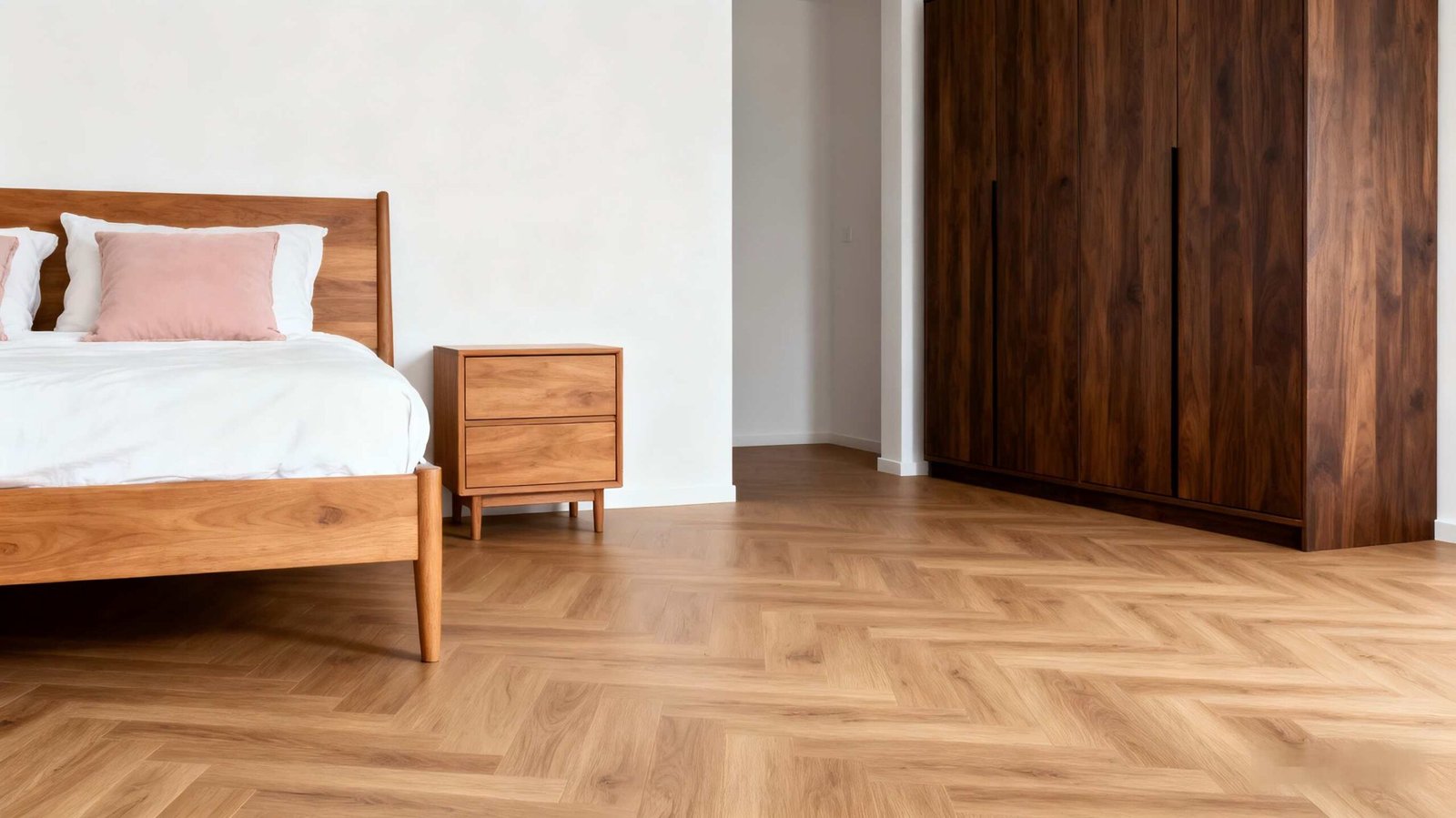
Not all floors play nice with bumps and valleys, but SPC? It’s built for the real world. At its heart, SPC flooring packs a dense core of limestone powder and PVC—up to 70% stone by weight—which gives it the stability of tile minus the brittle snap. This rigidity means it won’t sag into voids like softer vinyl might, but its slight flex (about 0.5mm under load) lets it bridge minor irregularities without popping seams.
Take waterproofing: SPC’s sealed edges and core shrug off humidity that warps laminate on wavy bases. In a humid garage conversion I heard about in Florida, standard laminate buckled after a rainy season, but the SPC install held firm, even over a 1/4-inch variance. Durability stats back this up—SPC rates for 20+ years in high-traffic spots, with wear layers up to 20 mil thick resisting scratches from daily drags like vacuum cleaners or pet claws.
Compared to alternatives, SPC edges out:
That table isn’t just numbers—it’s from jobsite reports where uneven prep cost laminate crews extra hours sanding, while SPC teams floated right over with an underlayment pad. And eco-wise? SPC skips the glue, earning zero-formaldehyde nods from green-building pros. It’s a win for families dodging off-gases, especially in kid-heavy homes where uneven spots double as trip hazards.
Prepping Your Uneven Floor: Don’t Skip This Step
Rushing prep is the number-one reason SPC installs fail on bumpy bases. Think of it like dating: A solid foundation keeps things from falling apart later. Aim for variances under 3/16 inch—industry gold standard for floating floors. If you’re over that, grab a moisture meter first; readings above 12% scream "wait" and could trap dampness under your planks, breeding mold in those low spots.
Assessing the Damage: Tools and Tricks
Walk the room shoeless. Feel for soft bounces or creaks? Mark ’em with tape. Pros use a 10-foot string line stretched taut across corners—any bow over 1/8 inch means work ahead. In a real scenario, a Seattle remodeler once found hidden termite chew in joists mimicking settling; a quick peek under baseboards revealed the rot before it wrecked the subfloor.
Leveling Without the Headache: Practical Fixes
No need for a concrete pour in most cases. For dips under 1/4 inch, self-leveling compound does the heavy lifting—pour it like thin pancake batter, and it flows into voids, drying rock-hard in 24 hours. One gallon covers 40 square feet at 1/8-inch depth; mix small batches to avoid waste. Humps? Sand ’em down with a belt sander or orbital—wear a mask, as dust flies like confetti.
- For minor waves (under 1/8 inch): Roll out a 2mm foam underlayment. It compresses into dips, creating a cushy buffer that quiets footsteps too.
- Deeper issues: Plywood patches screwed over low spots, feathered with compound for seamless blends.
- Pro tip from the field: In multi-level homes, check for structural beams; unevenness there might need an engineer’s eye, not just filler.
- Budget $0.50–$1 per square foot for these tweaks. Skip ’em, and you’ll pay later in callbacks—installers report 15% rework rates from poor prep alone.
Nailing the Install: Step-by-Step for Uneven Success Nailing the Install: Step-by-Step for Uneven Success
With prep done, SPC’s click-lock system turns install into a puzzle you’ll actually enjoy. Start in a corner, tapping planks at 45-degree angles till they snap— that satisfying "pop" means they’re locked. Work in rows, staggering seams like brickwork to hide any subfloor tells.
On uneven floors, acclimate planks 48 hours in the room—temperature swings amplify waves. Use a pull bar for tight fits around edges; it saves knuckles and prevents gapping. For doorways or islands, a T-square keeps lines straight, crucial over imperfect bases where one off-cut throws everything crooked.
Real talk: In a Boston basement reno, a DIYer fought buckling until adding pull spacers every few rows—they hold gaps uniform, letting the floor "float" without stress fractures. End with baseboards or quarter-round to mask any micro-variances. Total time? 4–6 hours for 200 square feet, tools in hand.Dodging the Big Mistakes: Lessons from the Trenches
Even pros slip up. Common traps? Overlooking expansion gaps—leave 1/4 inch around perimeters; uneven heat makes planks breathe, and tight fits crack cores. Another: Ignoring direction. Lay planks perpendicular to the main light source to minimize shadow lines from dips.
Data from flooring forums shows 30% of complaints stem from underlayment mismatches—stick to 1–2mm IXPE for sound deadening on bumpy subs; thicker stuff amplifies waves. And moisture? Test again post-prep. One overlooked leak in a California condo turned a dream floor into a wavy nightmare, costing $2,000 in pulls.
Steer clear by double-checking levels every 50 square feet. It’s tedious, but it pays off in a floor that feels like it was poured in place.Discover Lanhe Flooring: Your Go-To SPC Supplier

When it’s time to source planks that won’t let you down, Lanhe Flooring steps up as a standout. Based in Shandong, China, this outfit has clocked over a decade crafting SPC that’s exported to homes across North America, Europe, and beyond. They blend automated lines with hands-on quality checks—from sourcing virgin PVC and calcium powder to final UV coatings—ensuring every plank hits E0 formaldehyde-free marks and shrugs off water like it’s nothing.
What sets Lanhe apart? Customization without compromise. Need oak grains that mimic aged barnwood for that uneven Victorian charmer? Their Oak 31801-14 series delivers 5mm-thick planks with 20-mil wear layers, perfect for bridging subtle subs while holding up to kids’ romps. Or go nutty with Pecan 31806-9 for warmer tones that warm up cooler climates. Walnut 31810-5 brings depth for modern lofts, all with click systems that lock seamless over imperfections. Backed by FloorScore certs and a nod to sustainability, Lanhe’s got the chops—over 10 major projects shipped globally, proving they’re not just suppliers, but partners in flat, fabulous floors.Wrapping It Up: Smooth Sailing with SPC on Uneven Ground
Uneven floors don’t have to derail your SPC dreams. By scouting issues early, prepping smart, and installing with care, you sidestep the snags that sour so many renos. It’s about that even keel—literally—turning potential headaches into a surface you love stepping onto every morning. Grab your level, pick quality planks, and watch your space transform. Your floors, and your back, will thank you.
Frequently Asked Questions
Can I install SPC flooring on uneven floor without major fixes?
Sure, if variances stay under 3/16 inch over 10 feet. A thin underlayment like IXPE foam bridges the gaps, letting SPC flooring on uneven floor settle in without drama. For bigger dips, a quick compound pour keeps things level and prevents problems down the line.
What underlayment works best for SPC flooring on uneven floor?
Go with 1–2mm IXPE or EVA foam—it’s compressible yet stable, cushioning minor waves while cutting noise by up to 20dB. What you need to know: Skip thick pads; they can exaggerate bumps, leading to hollow sounds or loose clicks.
How do I prevent problems like buckling with SPC on uneven surfaces?
Start with acclimation—let planks sit 48 hours in the room. Then, leave 1/4-inch expansion gaps and stagger seams. Industry vets say this combo drops buckling risks by 50%, keeping your install tight and trouble-free.
Is SPC flooring on uneven floor DIY-friendly?
Absolutely, especially with click-locks. Tools like a pull bar and spacers make it straightforward, even over subtle dips. Just assess first: If it’s over 1/4-inch uneven, rope in a pro to avoid the frustration of uneven clicks.
Does moisture affect SPC flooring on uneven floor installs?
Not if your subfloor’s dry—under 12% moisture. SPC’s waterproof core handles spills fine, but trapped damp in lows can warp things. Test twice, and you’re set to prevent problems before they start.