

If you’re sourcing oem spc flooring, you’re not just buying planks—you’re building a repeatable product that has to survive real-life handling: sample reviews under mixed lighting, production batch consistency, warehouse picking, and jobsite installation. A private-label program can become a steady revenue line for a distributor, or a costly headache if the specs and deliverables aren’t locked in early. This guide breaks down what buyers can customize (and what they should standardize), how to prevent the most common OEM missteps, and how to turn a “nice idea” into a floor that ships, sells, and gets reordered.
Who This OEM Topic Is Really For (and What They’re Trying to Achieve)
B2B buyers usually come to private label for one of three reasons. The first is margin control: you want a SKU that doesn’t get price-matched overnight. The second is assortment fit: your market wants a specific tone of oak, a particular plank width, or a finish that hides scuffs in high-traffic rentals. The third is brand consistency: you’re supplying property groups or retail partners that expect the same look every quarter.
That’s where private label spc becomes more than a logo on a carton. It’s a controlled mix of design, size, finish, and packaging rules that make replenishment predictable. The better you document those rules, the fewer surprises you’ll see once the product is in the field.
Customization Map: What You Can Change Without Creating Risk
Most “OEM pages” online list customization options in broad strokes. What buyers need is a practical map: which choices affect sell-through and claims, and which choices are mostly cosmetic.
Design and visual direction: wood, stone, and pattern-led programs
The starting point for custom spc flooring is the visual story you’re trying to sell. In many regions, wood looks remain the volume driver, while stone visuals support modern commercial interiors and quick-turn renovations. Pattern formats—such as herringbone or fishbone—often sell as premium upgrades, but they also raise the bar for installation discipline and on-site cutting.
Lanhe’s SPC offering is positioned around design variety, with visuals that mimic wood, stone, and tile aesthetics, supporting both residential and commercial use cases. If you’re building a distributor line, a smart approach is to pick one “hero” wood collection that covers your mainstream buyers, then add a smaller set of stone looks for projects and designers who want a cleaner, contemporary palette.
Size strategy: choose formats that match how your customers install and stock
Plank size is where aesthetics meets logistics. Long planks can look impressive in open-plan spaces, but they amplify subfloor flatness issues and make cartons heavier and more awkward to handle. Smaller formats can reduce visible movement in tighter rooms and can be easier to stage for contractors.
Lanhe’s SPC size range includes common plank and tile-style dimensions such as 184×1220 mm and 203×1220 mm, longer formats like 240×1520 mm and 240×1800 mm, and tile-like options including 600×300 mm and 640×1280 mm. For private-label planning, that mix gives you room to build a coherent SKU ladder without reinventing the entire factory setup. A practical decision rule is to choose one core plank format for your fastest movers, then add one “statement” format—either extra-long planks or tile visuals—only if your market can support it.
Finish and texture: where buyers win (or lose) at the shelf
Surface finish is where a private-label floor either looks premium or looks “flat.” It’s also where many buyers get burned. A sample can look perfect in a showroom, then show unexpected gloss variation under warehouse LEDs or natural daylight. The fix is not complicated, but it needs to be stated: define the finish by outcome, not by buzzwords.
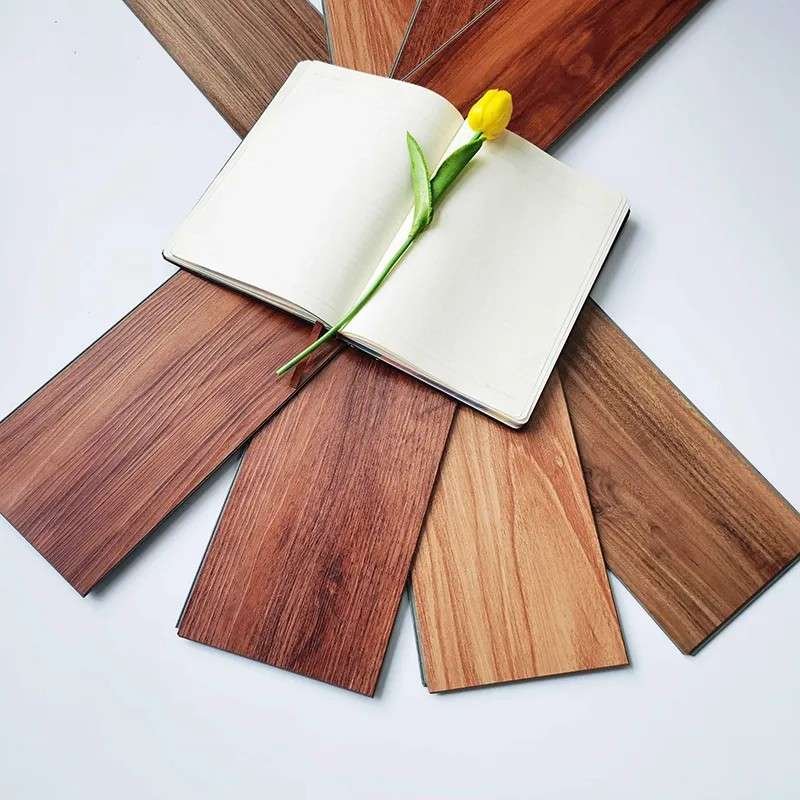
Img.SPC Flooring OEM & Private Label Custom Design, Finish, Packaging.jpg
Lanhe lists surface options that include matt, high gloss, EIR-style textured finishes, and stone-grain textures, along with additional customizable surface choices. In a B2B program, finish selection should reflect the customer’s cleaning reality. Rental turnover and light commercial customers often prefer finishes that hide small scuffs and daily dust. High-gloss surfaces can sell in photos, but they also tend to make micro-scratches more visible over time. If your buyers complain about “the floor looks dull after three months,” the finish choice—paired with the customer’s maintenance habits—is usually the real driver.
Edge detail and the “feel” factor that affects perceived quality
Two cartons can carry the same color and thickness and still feel different when installed. Edge detail is a major reason. A micro-chamfer can visually define each plank and help disguise slight lippage in real-world installs. A square edge can look cleaner and more seamless, but it asks more of subfloor prep and installation precision.
Lanhe’s SPC specifications include microchamfered and non-chamfered edge options, which gives private-label buyers the ability to match the aesthetic to the installer base. If your distribution channel relies on fast-turn contractors, micro-chamfered edges often reduce complaints because they’re more forgiving visually. If you sell primarily to higher-end retail installs, a cleaner edge may become a brand signature.
Packaging That Ships: Turning Branding Into a Real Deliverable
Most buyers underestimate packaging until they handle their first claim. Branding matters, but packaging is also a protection system. Done well, it reduces damaged corners, protects printed surfaces, and keeps warehouses from relabeling cartons on arrival.
That’s why spc flooring packaging customization should be treated like a controlled specification, not a graphic design task.
Carton artwork: what your design team must lock before production
Carton design is usually where private label begins, but it’s also where confusion sneaks in. The carton has to do several jobs at once: sell the product, communicate what’s inside clearly, and remain readable after handling. Buyers should decide early whether they want a clean “brand-first” front panel for retail, or a spec-forward layout for contractor channels. Mixing both often creates clutter and increases mistakes in the field.
If you’ve ever watched a warehouse team pick flooring by eye, you know what matters: clear color name or code, clear size format, and a stable visual identity. Subtle differences in carton layout across similar SKUs can cause mis-picks that don’t show up until installation. That’s an expensive error.
Labels and barcodes: the unglamorous piece that prevents downstream chaos
Even when the carton is perfect, labels are where programs fall apart. A private-label program should define label placement, barcode format, and SKU code logic as part of the OEM brief. When those rules change midstream, distributors end up with inconsistent warehouse records and mismatched inventory.
The best way to avoid this is to write your labeling requirements in plain language and keep them consistent across collections. You can evolve the design later, but your SKU coding and core label fields should stay stable if you want the line to scale.
Protection philosophy: packaging as a claims-prevention tool
A real-world packaging system anticipates the rough parts of distribution: pallets shifting, cartons sliding, forklift contact, and long storage cycles in mixed humidity. The point isn’t to overbuild and raise costs; it’s to protect the high-risk areas—corners, edges, and surface abrasion points—so the product arrives in sellable condition.
Lanhe’s quality section emphasizes packaging integrity as part of its overall quality control approach, which aligns with what importers typically want from an OEM partner: fewer surprises between factory and warehouse, and fewer “this arrived damaged” disputes that drain margins.
Sampling-to-Production Workflow: Make Customization Repeatable
OEM projects don’t fail because the factory can’t make flooring. They fail because buyers don’t define the deliverables tightly enough, or they approve samples without validating the real sales environment.
Start with a short “brief” that reads like a purchase order, not a mood board
A brief for custom spc flooring should describe the intended application and the customer channel first, then define the visual and performance targets. A hotel hallway program and a suburban remodel line can share the same core structure, yet need different finishes, edge choices, and packaging messages. When buyers skip that context, suppliers default to generic recommendations, and your private-label line becomes indistinguishable.
Approve the sample the way your customer will see it
A sample that looks right under one light can look wrong under another. That is not a “quality issue”; it’s how surface textures and prints behave. The practical move is to evaluate samples in at least two typical environments: a bright retail or office setting with overhead lighting, and a warmer residential setting. If your business sells through photography-heavy channels, the sample should also be reviewed against the kinds of images you’ll use online. That step alone prevents a surprising number of returns and negative reviews later.
Lock the “non-negotiables” so batches stay consistent
A private-label line scales when key variables are locked. The color direction should be defined not only by a name but by a reference standard. The finish should be defined by an agreed visual target. The plank format should not drift from shipment to shipment. And the packaging system should not change its labeling logic because a new designer wants a cleaner look.
This is where a supplier’s internal controls matter. Lanhe highlights fully automated manufacturing systems and structured quality management, which supports the consistency buyers need when they plan repeat orders and multi-market distribution.
A B2B RFQ You Can Actually Use (Without Getting Vague Quotes)
Many RFQs create confusion because they read like marketing copy. If you want comparable quotations, the RFQ should force clarity on four topics: your design target, your size format, your finish and edge direction, and your packaging deliverables.
Write the ask in complete sentences. State the primary look category (wood, stone, or pattern), then specify whether you want plank formats, tile formats, or both. Reference the finish direction, such as matt or textured EIR-style, and clarify edge preference such as micro-chamfered or square edge. Then describe your carton concept and labeling rules, including whether you want a retail-facing carton layout or a contractor-facing spec-first layout, and whether barcode labeling is required for warehouse picking. Finally, ask the supplier to confirm the available decorative options and packaging approach based on the program goals, not just “what’s standard.”
If you want to review Lanhe’s current SPC assortment and technical positioning before drafting the RFQ, start with the company’s SPC overview page: https://lanheflooring.com/spc-flooring/
Why Shandong lanhe import and Export Co. , Ltd. Fits Private-Label Programs
Shandong lanhe import and Export Co. , Ltd. describes itself as an integrated production-and-export enterprise with a complete quality management system and professional automated manufacturing capacity, covering the full chain from raw material procurement through processing and inspection. The company positions Lanhe Flooring as a dedicated SPC flooring manufacturer, with products distributed across multiple overseas markets including North America, Europe, Australia, and Southeast Asia.
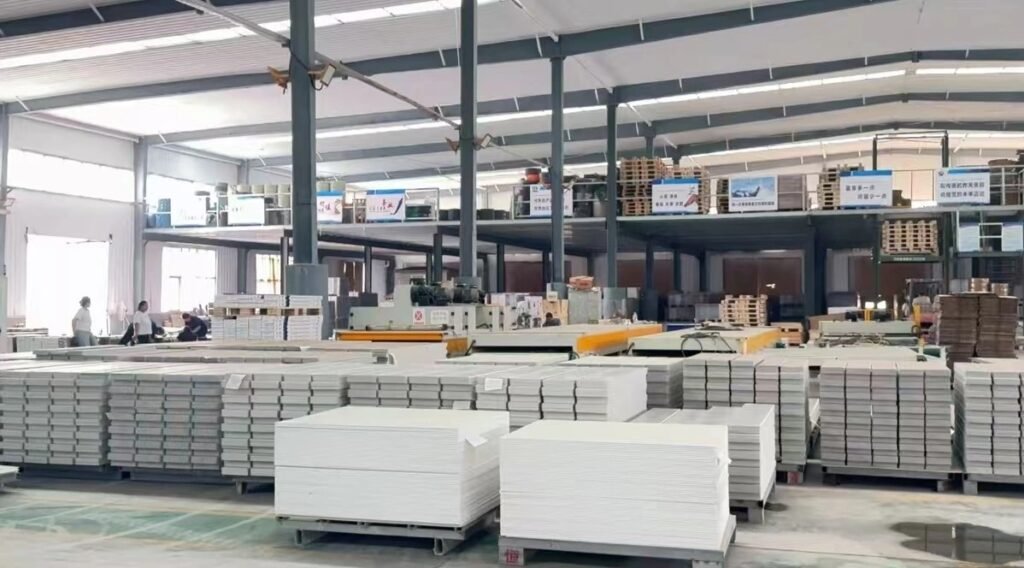
For OEM and private-label buyers, those points matter for a simple reason: the work doesn’t end when the sample is approved. Private label succeeds when the supplier can reproduce the same finish, the same edge detail, and the same packaging discipline over repeated cycles. Lanhe also presents a brand posture built around customized solutions and quality-focused workflows, which aligns with what distributors and importers usually require when they’re investing in a branded assortment instead of one-off purchases.
If you want the company background in one place, you can reference the official profile here: https://lanheflooring.com/about/
Conclusion
A strong OEM program is less about “how many options” a supplier offers and more about how cleanly those options turn into a repeatable product line. When you approach private label spc with a clear customization map, you protect your brand from avoidable inconsistencies, reduce downstream handling mistakes, and make reorders straightforward. Keep your decisions grounded in real selling conditions—lighting, maintenance habits, installer behavior, and warehouse workflows—and treat spc flooring packaging customization as part of product engineering, not an afterthought. That’s how custom spc flooring becomes a scalable B2B asset rather than a one-time experiment.
FAQs
What does “oem spc flooring” typically include beyond manufacturing?
OEM support usually includes helping buyers translate a brand brief into a defined product configuration—design direction, size format, finish and texture targets, edge details, and packaging deliverables—so the program can be reproduced consistently across repeat orders.
What is the difference between private label spc and a standard stocked product?
Private label spc is built around your brand system and your assortment logic. Instead of buying a generic SKU, you define the look, format, finish direction, and packaging identity so the product sells as your line and stays consistent as you expand distribution.
Which customization options matter most for custom spc flooring sell-through?
In most markets, the biggest sell-through drivers are the visual direction (wood or stone), a plank size that fits common room layouts, and a finish that looks good under everyday lighting and doesn’t show scuffs too quickly. Packaging matters too, especially for retail programs and multi-warehouse distribution.
How should I approach spc flooring packaging customization to reduce claims?
Treat packaging as a protection system with branding layered on top. Define carton layout for easy picking, keep labeling consistent across SKUs, and focus on corner and edge protection so the product arrives in sellable condition after routine handling.
What should I send a supplier to start a private-label SPC discussion?
Send a short brief describing your target market, the core visuals you want (wood/stone/pattern), preferred size formats, finish direction (such as matt or textured), edge style preference, and your carton/labeling concept. Clear inputs upfront usually result in cleaner, more comparable quotations.
