

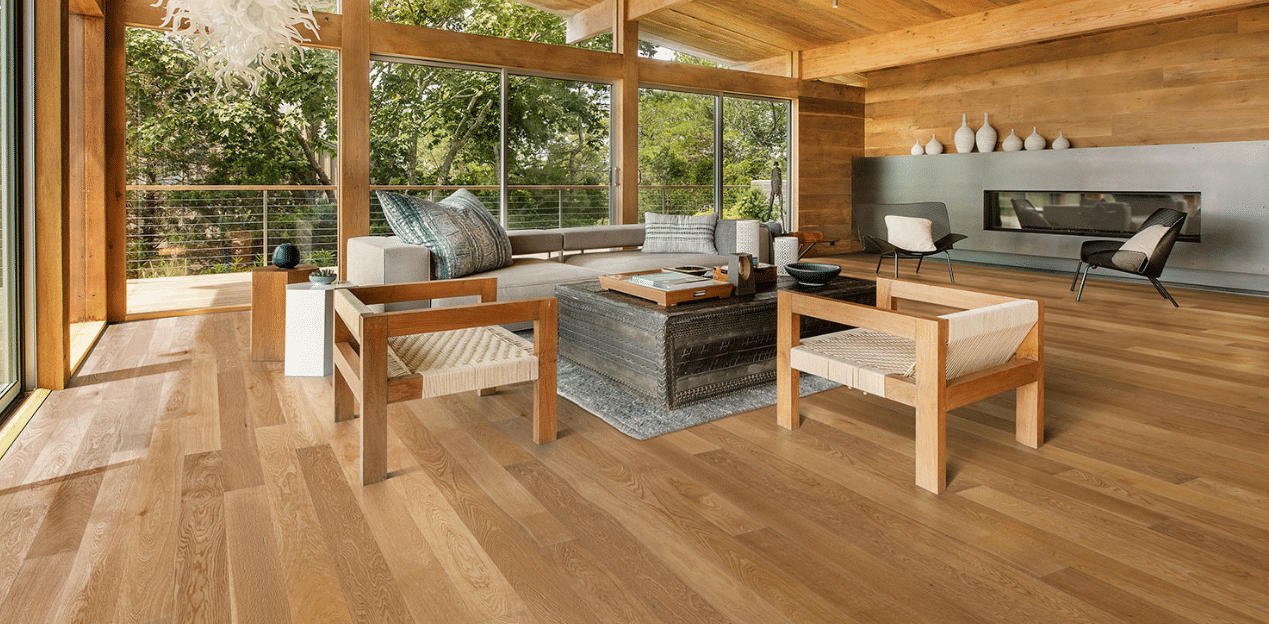
Hey folks, if you’re browsing home upgrade plans or just sick of that worn-out rug gathering dirt, you’ve likely caught wind of the talk around earth-friendly flooring. It’s more than a fad—it’s gaining ground quick. People are swapping out the outdated materials for floors that don’t hurt the earth or your breathing. But what’s fueling this change, and how can you tell a real "green" floor from the rest? Let’s break it down bit by bit. I’ll lay it out simple, with some everyday advice mixed in. After all, nobody likes a boring talk.
Why Eco-Friendly Flooring is Taking Over
Imagine this. You’re fixing up your kitchen. All of a sudden, you’re faced with picks that go past just shade and cost. These days, people think about the wider view. Things like reducing trash and getting fresher air inside. Back then, flooring was mostly about appearance and low price. Now, it’s about lasting well without harm. Numbers show it clear. A report from the U.S. Green Building Council says green building stuff, like flooring, has jumped up by 20% in demand over the past five years. Why’s that? Climate stuff is big news. Homeowners want to pitch in. Plus, with work from home keeping us inside longer, no one wants floors releasing bad fumes. I recall talking to a pal who put in vinyl a while back. He said it caused him head pains. Turns out, those volatile organic compounds, or VOCs, were to blame. Earth-friendly choices? They avoid that mess.
This surge in earth-friendly flooring isn’t just talk. It’s handy too. These floors stick around longer. They lower power bills by keeping heat in better. And yeah, they can raise what your house sells for. A study from the National Association of Realtors found homes with earth-smart features go for up to 8% more. Pretty good, huh? But let’s get to the core. What really makes a floor "green"?
What Makes a Floor "Green"?
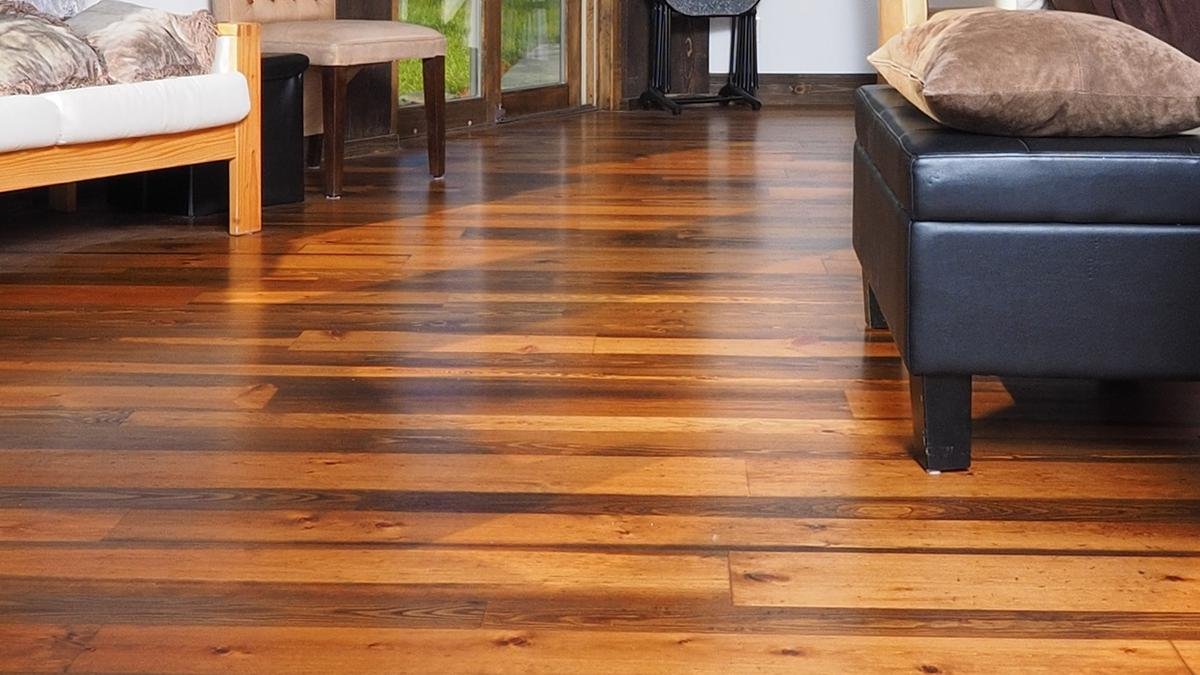
Okay, so you’re hooked on the concept. But how do you figure if a floor is truly kind to the earth or just slick sales talk with a green label? It’s not as easy as sticking a plant symbol on the package. A "green" floor hits a few main marks. Things like stuff it’s made from, how it’s built, its whole life span, and official stamps. Let’s unpack that.
Materials count a lot first. Green floors come from stuff that grows back or gets reused. Like bamboo that sprouts fast or cork pulled without harming the tree. For mixed types like SPC, it’s about using fresh materials sparingly and blending in old plastics. No heavy metals or chemicals that seep into your space. I saw a test once where they lit up regular vinyl. Black smoke all over. The green kinds? Clean flame, no poisons.
How it’s made matters plenty too. Low-power building, reusing water, and plants with no waste set the standard. Some factories even use sun power now. Then there’s the full cycle. How long does it hold up? What happens when it’s worn out? A green floor should be tough. Say, 25 years for home use. And able to be reused at the end. Not junk for dumps.
Official stamps lock it in. Hunt for labels like GREENGUARD or FloorScore. They check for low fume releases. These aren’t mere tags. They’re from outside labs making sure the floor won’t dirty your inside air. The EPA points out that air indoors can be 2-5 times dirtier than outside. So this is key. And remember sourcing. FSC-stamped wood means no shady cutting.
But here’s a quick aside. Not every "natural" floor is green. Some woods, if from stripped forests, are out. Always check deeper.
The Perks of Switching to Green Floors
Going with earth-friendly flooring isn’t only nice for the world. It’s a plus for you as well. On health, it’s a real shift. Low-fume floors mean less sneezing, fewer breathing troubles, or that odd smell after setup. Got kids or pets at home? This is a must. The American Lung Association backs these materials to lower lung risks.
For the environment, you’re trimming your carbon mark. Making green floors takes less power. Up to 30% less than old types, based on some trade reports. And toughness? These hold strong. SPC flooring, for example, shrugs off marks and leaks. It lasts years without swaps. So less garbage in total.
Price wise? Sure, starting out might pinch a tad. $4-11 per square foot for good ones. But the savings build. Simpler cleaning, no strong cleaners needed. Lower bills from good warmth keeping. And that selling boost I talked about. I know a builder who lives by it. He says customers love the lasting worth. Plus, it’s good looking. Wood patterns, stone styles. Green doesn’t equal dull.
One hitch? Setup can be fussy if you’re doing it yourself. But experts manage it okay. Just a heads up.
Top Eco-Friendly Flooring Options on the Rise
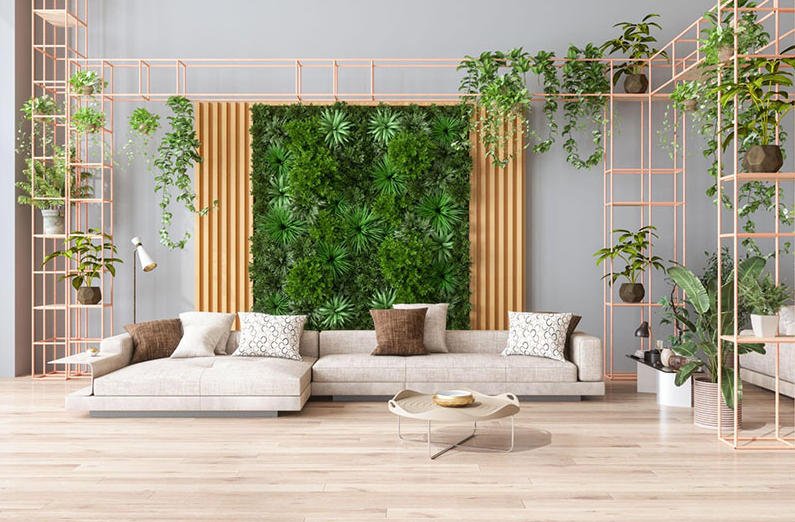
With tons of picks, where to begin? Here’s a look at favored green flooring kinds that are hot now. I’ll add a table to match them up fast.
SPC Flooring: Tough and Versatile
SPC flooring is exploding in popularity. It’s fully waterproof and really solid. Built from stone-plastic mix, it has a firm center that takes heavy steps without bending. Green bonuses? Often has reused bits, low fumes, and snaps together no glue. Thickness goes 4-8mm, with top layers up to 0.7mm for mark resistance. Ideal for kitchens or lower levels. Spills? No worry.
Laminate Flooring: Affordable and Stylish
Laminate is the cheap champ, copying wood or rock without the high tag. It has layers like a tough top, print for looks, core for steadiness, and back for damp block. Green types use E0 or E1 low-fume boards, wax edges for wet guard. Sizes differ. 7-12mm thick, widths to 225mm. It’s mark tough, AC3-AC6 levels, and simple to put down. Great for sitting areas. I’ve watched it change old rooms cheap.
Other Green Contenders
Bamboo or cork shouldn’t be overlooked. They’re quick growers. Bamboo in 3-5 years, cork in 9. Both feel soft under feet and fight germs naturally. Or reused rubber for workout spots. Sturdy and shock taking.
Here’s a fast matchup:
Flooring Type Average Price (per sq ft) Durability Rating Eco Features Best For
SPC $4.2-11 High (25+ years) Recycled content, low VOCs, waterproof Wet areas like bathrooms
Laminate $2.5-5.6 Medium-High (15-30 years) Low-emission cores, recyclable Bedrooms, offices
Bamboo $3-7 Medium (20 years) Fast-renewable, natural Living rooms
Cork $4-8 Medium (15-40 years) Harvested sustainably, insulating Kitchens, playrooms
Choose what fits your spot. Damp prone? Pick SPC. Warm feel? Cork.
Tips for Picking and Installing Your Green Floor
Selecting earth-friendly flooring? Begin with what you need. Foot traffic? Cash limit? Look? Size up your area. Most want 800 sq ft least for big buys. Look at guarantees. 25 years for homes is usual.
For setup, experts say let materials sit 48 hours to stop spaces. Click types like Unilin are easy snap. But bumpy underfloors cause issues. I found out tough once. Had to pull up part. Tools? Basic ones: hammer, gaps.
Keeping it up is easy. Sweep each day, wet wipe with soft soap. No rough stuff to keep the green side.
As a top supplier in the flooring world, Lanhe Flooring shines with its push on quality and earth care. From Jinan in Shandong, China, they focus on SPC and laminate choices. All made with modern auto methods for steady green outcomes. Their goods ship global, with tight checks from start stuff to send out. Visit their page for details on waterproof, mark-tough floors that suit any house or work place.
I should mention, picking the right supplier like Lanhe can make a big difference. They’ve got a solid setup for quality, and their products get nods from buyers far and wide. It’s not just about the floor itself, but knowing it’s backed by folks who care about the details.
Conclusion
To sum it up, this boom in earth-friendly flooring is sticking around. It mixes good looks, health perks, and ways to help the planet. By getting what marks a floor as "green"—from its makeup to stamps—you can choose options that sit right. If you’re after SPC for its strength or laminate for low cost, going green brings rewards. Set to upgrade your place?
FAQs
What is the rise of eco-friendly flooring all about?
It’s mainly the move to lasting materials that lessen harm to the earth while boosting home wellness. Interest has grown sharp, with green building items up 20% lately.
What makes a floor "green" in simple terms?
A green floor draws from stuff that renews or reuses, keeps fumes low, and comes from light-touch making. Stamps like FloorScore prove it won’t spoil your air.
Is eco-friendly flooring worth the extra cost?
Sure, for many. It endures more, cuts care costs, and lifts house worth. Yeah, starts at $2.5-11 per sq ft, but benefits like warmth hold and strength make it wise over time.
How do I maintain eco-friendly flooring?
Make it basic: sweep every day, mop with light soap each week. Skip strong stuff to hold the green traits. For SPC or laminate, it’s less work than rugs.
Can eco-friendly flooring handle high-traffic areas?
Yes, kinds like SPC are made for that—water tight, mark proof, fine for cooking spots or work rooms. Just grab the proper top layer depth for your use.
