

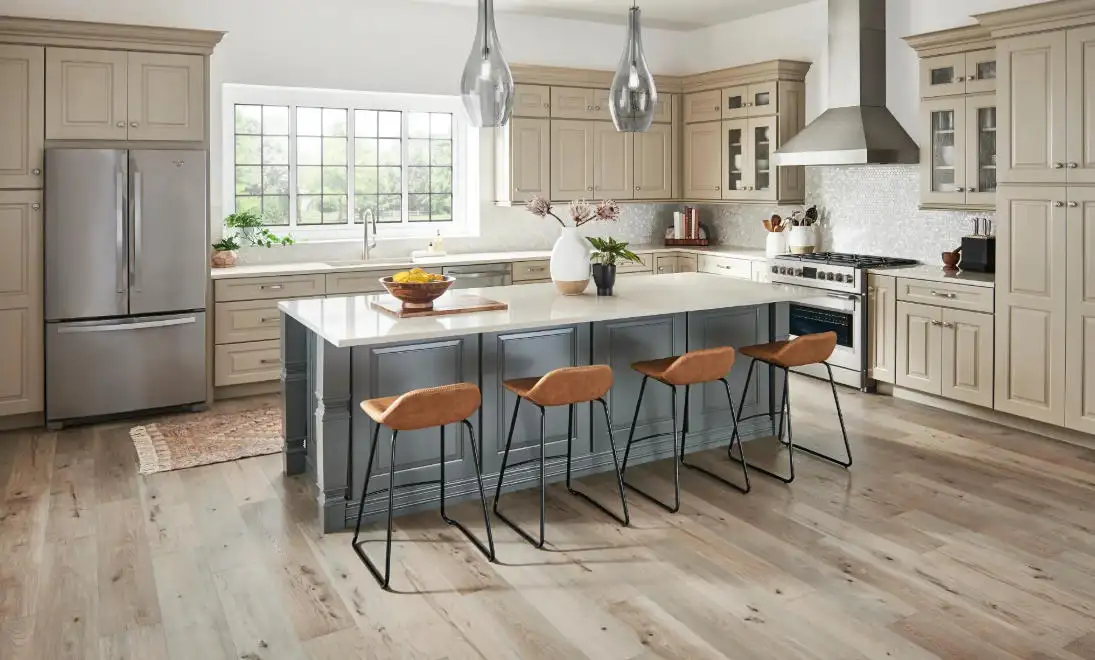
Hey there, if you’re busy with a home upgrade or just imagining ways to refresh your living space, you’ve likely considered laminate flooring. It’s that economical choice copying real timber looks without emptying your savings. But does it really deliver? In this piece, we’ll explore the specifics of laminate surfaces—their benefits, drawbacks, and how they compare against other popular picks such as solid wood or vinyl. I’ll share real-life stories from homeowners I’ve talked with during my time in the surfacing industry. Keep reading; by the finish, you’ll understand better whether laminate suits your home.
What is Laminate Flooring?
Laminate surfacing isn’t a low-quality imitation—it’s a clever, multi-layer material built to appear attractive and endure. Imagine this: it’s crafted like a stack with four key sections. At the base sits a stabilizer section, typically crafted from resin-soaked paper. This prevents warping when moisture rises. Next comes the main section, frequently dense fiberboard pressed from wood particles under intense heat and force. That’s what provides its toughness.
Above that rests the visual section—a sharp picture printed on paper copying wood patterns, rock, or ceramic looks. Finally, a protective shield encases everything using a clear coating for scrape defense. Certain makers include a padding piece for added quiet or damp blocking.
I recall speaking with a Seattle resident who put down laminate in her cooking area. She adored how it duplicated oak’s appearance minus solid wood’s upkeep. But here’s interesting trivia: laminate surged during the 1980s as a pocket-friendly substitute. Today it advances with wetness-proof choices. Costs? Plan for $2 to $8 per square unit, varying by grade.
Pros of Laminate Flooring
Laminate boasts many advantages, particularly if you’re budget-conscious or dislike complex setups. Let’s examine.
Economical Cost
Seriously, this is the major attraction. While solid wood can reach $15 per square unit or beyond, laminate stays affordable at $2 to $8. Mid-tier products near $4-6 deliver reliable performance without sacrificing style. Imagine a 500-square-unit lounge—that’s perhaps $2,000 to $3,000 total, setup included.
Simple Installation
Click-together setups make it effortless for self-installers. No adhesives, no fasteners—just connect and advance. A friend renewed his lower level in two days. Hiring experts? Work fees run $1.75 to $4 per square unit, far lower than stonework.
Strong Against Damage
With that shield layer, it’s superb for houses with youngsters or animals. Performance grades run 1 to 5—select grade 4 or above for hectic zones. It outlasts some hardwoods in scrape trials, surviving pet claws or fallen playthings for ages.
Countless Style Options
From rustic patterns to geometric arrangements, it imitates everything. Textures like distressed finishes boost realism. Plus, it’s allergy-safe—no trapping particles like fabric coverings.
Easy Care
Sweep or lightly wash, finished. No sealing required, unlike softer materials. Some makers now provide wetness-proof types for cooking spaces or washrooms.
Speaking of wetness-proof—modern laminates progress significantly. Spill a drink? Clean it fast, no disaster. It’s not indestructible, but for regular living, it performs well.
Cons of Laminate Flooring
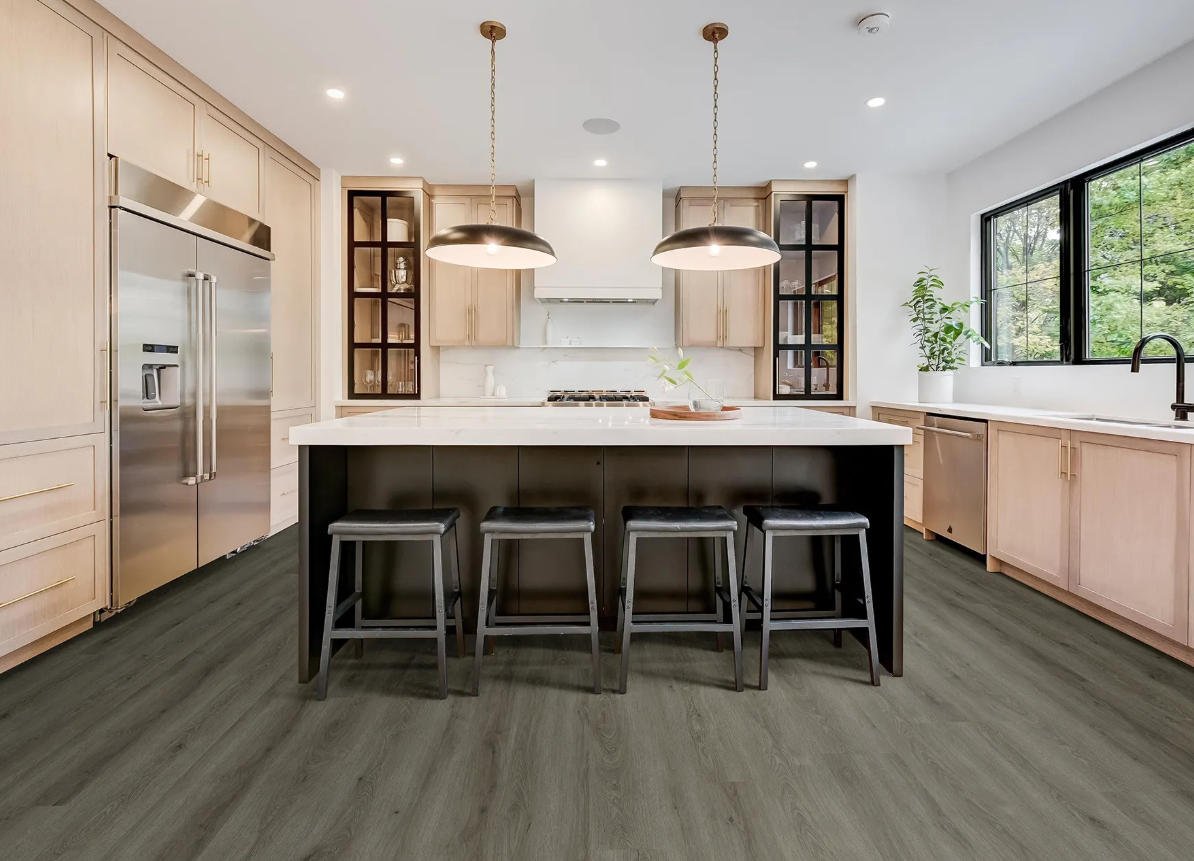
Alright, honest alert: laminate has flaws. It includes quirks that might trouble you, depending on your situation.
Unrefinishable
Unlike solid wood, which you can sand and stain repeatedly, laminate is a single-use solution. Service life? 15-25 years, perhaps 30 with gentle use. When worn, replace everything entirely. This became clear for a customer wanting to renew her surfaces after two decades—it cost extra unexpectedly.
Slightly Artificial Feel
Yes, it resembles wood, but underfoot? Not identical. It’s cooler and more consistent, missing that cozy, textured character. Walk barefoot, and you’ll spot the gap from genuine timber.
Eco-Issues
Some laminates release chemicals from bonding agents. Seek GreenGuard or FloorScore certifications to lower this. Not the most sustainable pick—reusing it proves challenging.
Limited Home Value Gain
Purchasers prefer solid wood for resale. Laminate? It’s viewed as economical, so it lacks equal charm. In damp zones, even "water-blocking" kinds can expand if soaked excessively.
Less Comfort
It’s harder than carpets or cork. Add padding for softness, but it’s no thick rug.
Sound can annoy too—echoes when stepping. But well, that’s why cushion layers exist. Just consider this if you have upstairs residents.
Comparison with Other Flooring Options
How does laminate compete? Let’s evaluate it directly against solid wood, vinyl plank (EVP), and ceramic slabs. I’ll use a chart for quick viewing—simpler to browse.
Feature Laminate Flooring Hardwood Flooring Vinyl Plank (EVP) Porcelain Tile
Cost per Sq Ft $2-8 $8-15+ $3-7 $4-12
Durability High scrape defense (AC4+), unrefinishable Very tough, refinishable 3-5 times Wetness-proof, bendable, dent-resistant Extremely strong, chip-proof
Installation Easy self-install click-system Needs experts, fasteners/adhesives Floating or glue-down, straightforward Grout and mortar, labor-heavy
Water Resistance Wetness-blocking options exist, not fully proof Warps easily 100% wetness-proof Fully wetness-proof
Feel/Comfort Firm, cooler underfoot Warm, natural Soft, cushioned Hard, cold
Maintenance Sweep/wipe, low effort Seal/buff regularly Clean easily, no sealing Grout cleaning needed
Lifespan 15-30 years 50+ years 20-30 years 50+ years
Best For Budget residences, busy areas Luxury, resale appeal Wet zones like washrooms Cooking spaces, outdoor areas
From the chart, laminate leads on price and simplicity, but solid wood wins for endurance and that high-end sensation. Vinyl excels in moisture-prone spots—picture basements after leaks. Tile? Tough as stone, but freezing in cold seasons. I once recommended laminate over tile for a family with small kids; it prevented tumbles and chilly feet.
One extra thought: preferences evolve. Recently, people combine laminate with underfloor warming for coziness. Not mandatory, but it makes a difference.
Introducing Lanhe: Your Trusted Laminate Flooring Supplier
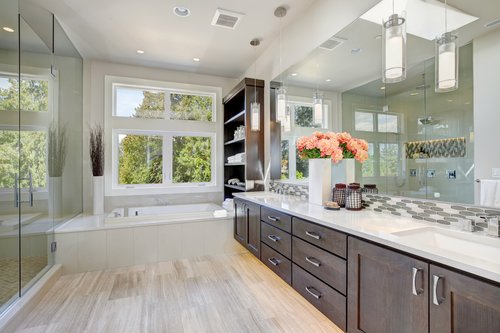
If you choose laminate, explore Lanhe Flooring. We’re a Shandong-based maker specializing in premium laminate and SPC choices. With years of experience, we ship to North America, Europe, and elsewhere, focusing on long-lasting, customizable surfaces meeting E0-E2 safety standards. Our collection features oak, walnut, and custom designs in thicknesses from 6mm to 12mm. We emphasize wear defense (up to AC5) and eco-certifications like FloorScore. Whether you’re a homeowner or installer, our crew handles custom jobs with competitive pricing and reliable help. Contact us at info@lanheflooring.cn for samples.
Conclusion
Summing up, laminate surfacing offers a smart balance for many homes—inexpensive, sturdy, and fashionable without difficulty. Consider benefits like simple setup and variety versus downsides such as no refinishing or that manufactured feel. Against costlier alternatives, it competes strongly for daily use. If it matches your routine, proceed; just select reputable makers to prevent disappointment. Ultimately, the ideal surface fits both your lifestyle and wallet.
FAQs
What are the main pros of laminate flooring?
Laminate surfacing excels in affordability and toughness. For example, it costs much less than timber while resisting scrapes from animals or children, perfect for active families.
Are there any big cons to laminate flooring?
Yes, one disadvantage is it can’t be renewed like authentic wood, so after 15-25 years, you may need replacement. Also, it feels less genuine underfoot.
How does laminate flooring compare to vinyl plank?
In a laminate versus vinyl matchup, laminate provides superior scrape resistance but vinyl leads on wetness protection. Both install simply, though vinyl feels plusher.
Is laminate flooring good for kitchens?
It functions with wetness-blocking types, but for heavy spills, explore waterproof options. Many owners use it effectively, just clean accidents promptly.
Does laminate flooring affect home value?
Less than solid wood, but it’s a sensible improvement. During resale, buyers often favor natural materials, so consider long-term plans.
